Starfield's development journey, as recounted by Kurt Kuhlmann, co-lead designer on Skyrim and a key figure in the game's creation, reveals a complex story of ambition colliding with logistical hurdles. The core issue, according to Kuhlmann, wasn’t a failure of design but a fundamental lack of cohesion within the sprawling project.
Initially, working on Skyrim was markedly different. I was working directly on the game, and I was a lead, he stated. That was how all the leads worked then, and so I was directly working with all the people, all the quest designers, myself. This direct engagement, characterized by smaller teams and streamlined communication, contrasted sharply with the evolving structure of Bethesda’s operations during Starfield's development.
The shift towards a larger, more distributed team – incorporating studio heads and producers from multiple locations – introduced significant complications. There would be people talking to the leads in one studio and getting an answer, and people talking to the leads in the other studio and getting maybe a different answer, Kuhlmann explained. This fractured communication created inconsistencies and rework cycles that ultimately detracted from the game’s overall feel.
A key element of this issue was the perceived disconnect between creative vision and implementation. Leads weren't directly involved in content creation, leading to a feeling of detachment. I don't know that they were wrong and I was right, but I didn't like that, you know, it may be that when you have that many people, your job can’t be also making content if you're actually also sort of managing that scope of the project.
This disconnect intensified as Bethesda expanded its studio portfolio. The acquisition of various studios and the resulting team growth created a logistical nightmare, particularly concerning communication flow. We can't release a game that has the kind of problems 76 had when it was released, Kuhlmann stated emphatically.
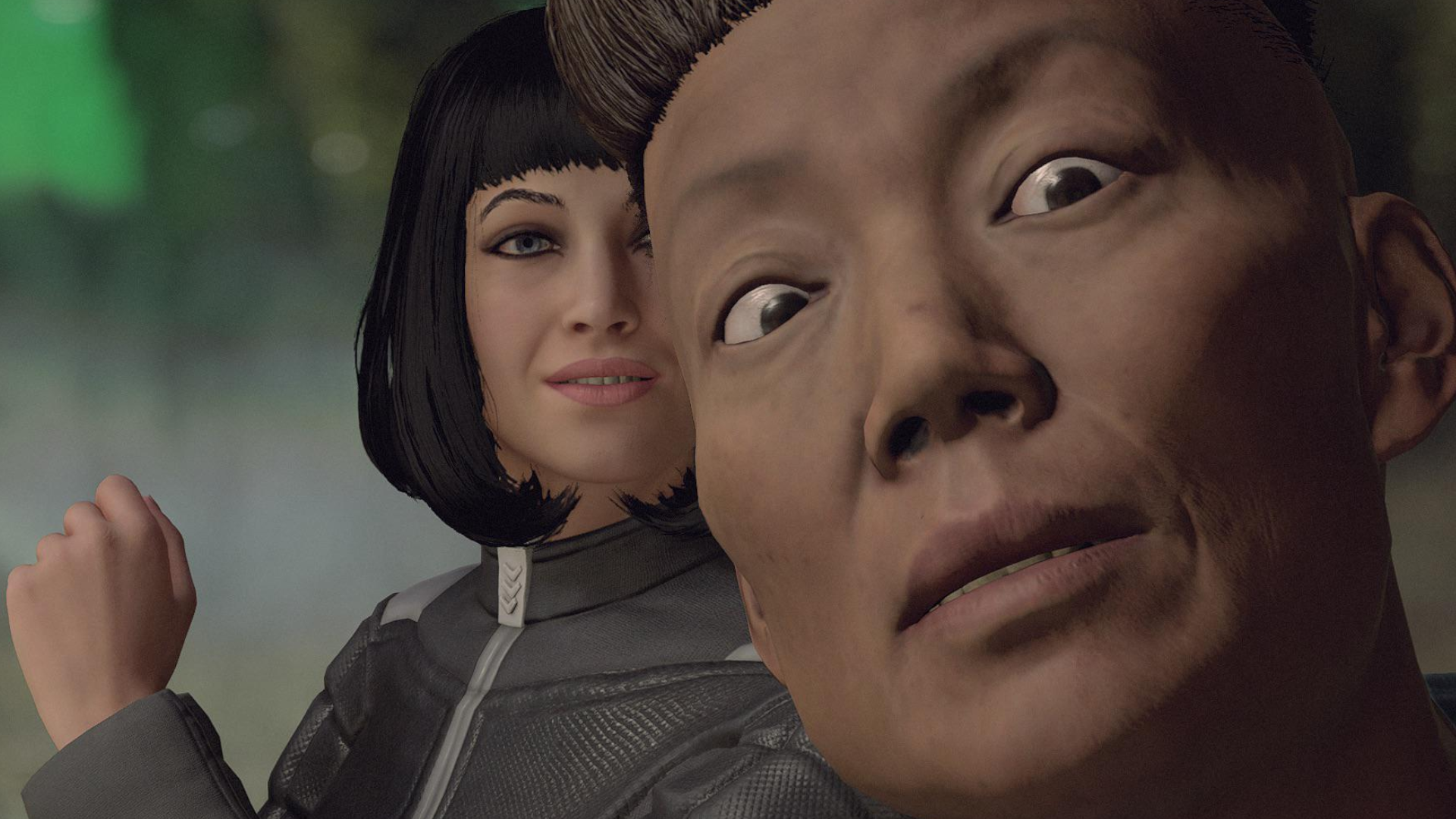
The influence of Fallout 76’s initial launch served as a stark warning. The disastrous reception of Fallout 76 highlighted the dangers of launching a massively scaled RPG without a fully integrated and cohesive design. We had tried to take this huge leap into this new genre with all these new systems and things … I don't know that you should expect that if you jump into the space combat genre that you're going to be better or as good as games that just do that, and have maybe been doing it for multiple iterations, right? Like, it was good enough. It wasn't, like, embarrassing.
Kuhlmann’s assessment isn't a criticism of the technical achievements within Starfield – he acknowledges that aspects like its celestial mechanics were knocked out of the park. Rather, it's a reflection on the game’s overall coherence. The sheer scale of the project, combined with communication breakdowns and a reliance on reactive rework cycles, prevented Starfield from reaching its full potential.
- CPU: Intel Core i9-13900K or AMD Ryzen 9 7950X
- GPU: NVIDIA GeForce RTX 4080 (16GB VRAM) or AMD Radeon RX 7900 XTX (24GB VRAM)
- RAM: 32GB DDR5-6000
- Storage: 1TB NVMe SSD
- Clock Speed: Base Clock: 3.6 GHz, Boost Clock: 5.8 GHz
- Display: 4K UHD (3840 x 2160)
Starfield’s ambition was vast, attempting to blend RPG elements with space exploration and procedural generation. This multi-faceted approach, while impressive in scope, ultimately proved challenging to integrate seamlessly. The game's success hinges on balancing the complexities of its diverse systems – from ship combat and planetary scanning to crafting and quest design – a task that presented significant hurdles for Bethesda’s expanded team.
Ultimately, Kuhlmann’s perspective underscores a crucial lesson for massive RPG development: cohesion is paramount. While Starfield offered moments of brilliance, the lack of a unified vision and clear communication pathways prevented it from fully realizing its potential, leaving many players with a sense that it could have been something truly exceptional.