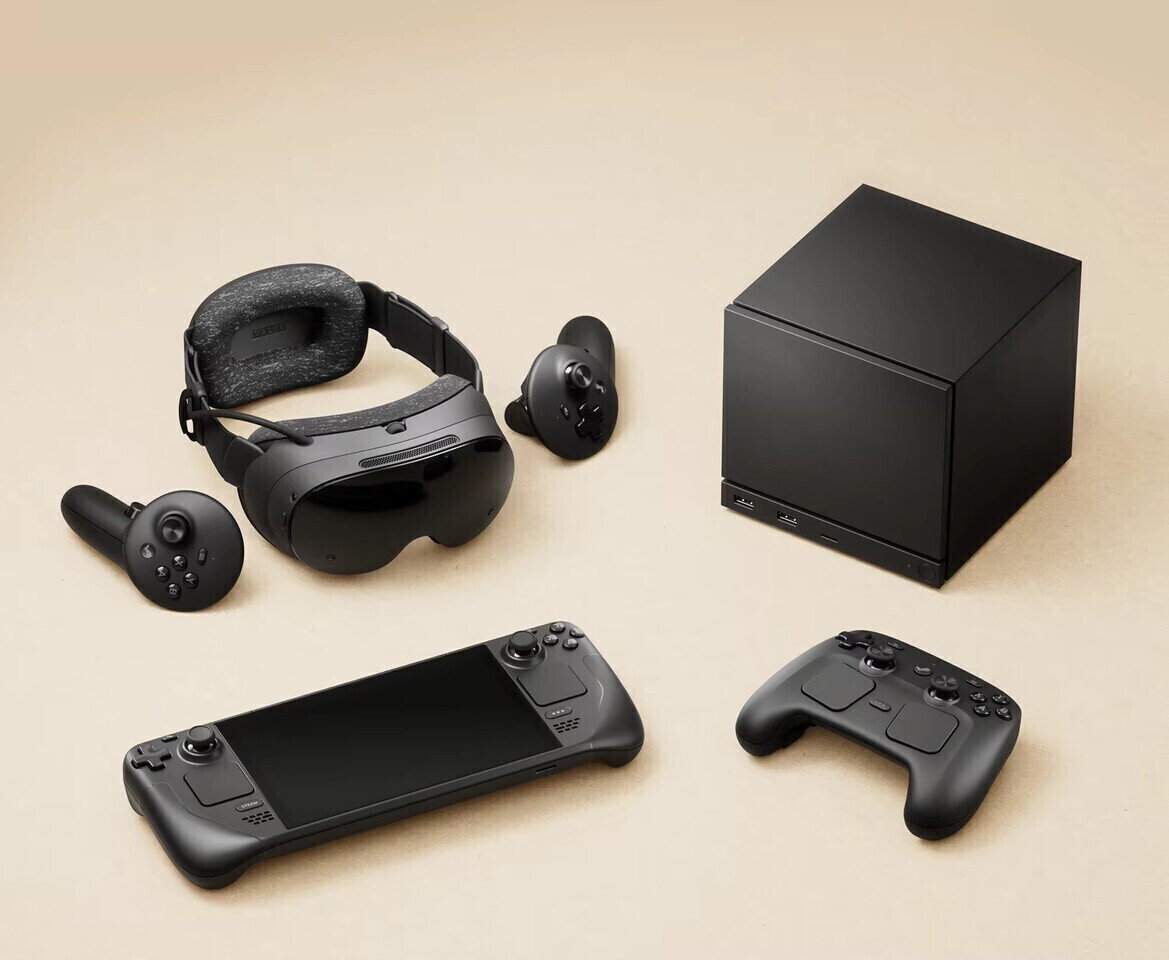
Valve’s next-generation handheld gaming device will take a different technical path than originally expected.
The Steam Deck 2, currently under development, is no longer slated to use a semi-custom AMD APU. Instead, it will likely rely on off-the-shelf silicon, potentially delaying its arrival until 2028. This shift could allow Valve to adapt more quickly to market changes but may also impact performance and battery life.
While the exact specifications remain unclear, the move away from a custom solution suggests Valve is prioritizing flexibility over optimization for this generation. The Steam Deck 2 will still need to deliver a significant leap in power compared to its predecessor, possibly leveraging future RDNA architectures like RDNA 4 or later.
Why This Matters
The change in strategy reflects lessons learned from previous hardware projects, including the original Steam Deck. Valve has emphasized that each iteration builds on past experiences, implying a more measured approach this time. However, the shift to off-the-shelf components could mean less control over performance tuning and efficiency.
That’s the upside—here’s the catch. While using standard silicon may offer Valve greater agility in responding to mid-cycle updates, it also means the Steam Deck 2 won’t benefit from the same level of hardware-software integration seen in past designs. This could be a double-edged sword: faster development cycles but potentially less optimized performance.
Market Implications
The Steam Deck 2’s timeline now aligns with Sony’s potential next-generation handheld, creating a more competitive landscape. If Valve waits until RDNA 4 or later, the device could face stiffer competition from both established and emerging players in the portable gaming space.
For small businesses and developers, this shift could mean longer wait times for hardware updates but also more flexibility in software support. Whether that translates to better products remains an open question.
The Steam Deck 2’s final form is still uncertain, but one thing is clear: Valve is taking a different path this time. The focus now is on adaptability over customization, which could redefine how handheld gaming evolves in the coming years.