The Steam Frame is inching toward its promised debut, and the latest technical developments suggest Valve may finally be ready to ship. A recent update to Proton 11 Beta 3 introduces FEX-2605, an advanced Arm64-x86 emulator designed specifically for the device’s Snapdragon 8 Gen 3 Mobile SoC. This isn’t just a software tweak—it signals that Valve has been quietly refining compatibility for the Frame’s core hardware, even as questions linger about its real-world performance and timing.
Proton’s latest iteration brings measurable improvements to both 32-bit and 64-bit game support, along with enhanced stability when paired with controllers. That’s a critical step forward for a device that will rely heavily on emulation to run traditional x86 titles. The update also confirms support for newer Qualcomm chipsets, reinforcing the Frame’s technical foundation without revealing new specifications.
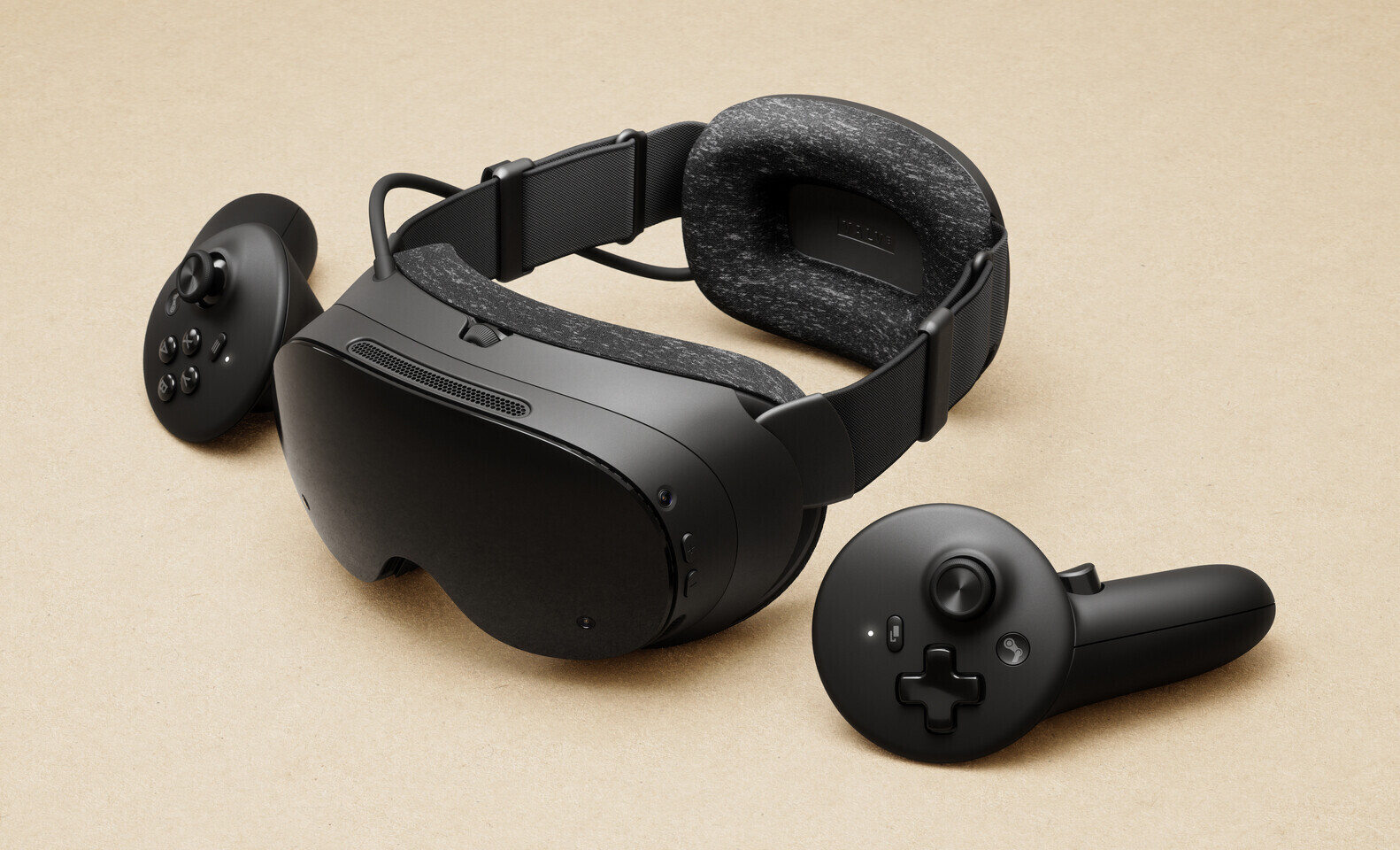
A more telling sign may be the Steam Frame’s appearance on Qualcomm’s XR/VR/AR Finder page. While the listing doesn’t disclose anything groundbreaking—merely reiterating claims of advanced CPU, GPU, and AI acceleration—the fact that it’s there at all suggests Valve is aligning its product with Qualcomm’s ecosystem. This could be a strategic move to ensure hardware compatibility as manufacturing ramps up.
Industry chatter has also picked up, with reports indicating Valve may be stocking U.S. warehouses for both the Steam Frame and Steam Machine. If true, this would align with Valve’s original first-half 2026 launch window, though no official date has been set. The question remains: will the Frame deliver on its promise of a seamless, high-performance gaming experience, or will it face the same compatibility hurdles that have plagued earlier Steam hardware?
For now, the focus is on Proton’s progress and Qualcomm’s backing—two pieces of a puzzle that, if they come together as expected, could mean the Steam Frame is closer to reality than ever before.