Valve is set to introduce a more flexible approach to game compatibility with its upcoming Steam Machine, aiming to reduce barriers for developers while maintaining performance standards that align closely with current gaming PCs.
The new verification process for the Steam Machine will be less stringent than that of the Steam Deck, reflecting Valve's strategy to broaden market appeal. This shift is expected to benefit both developers and players, particularly those who prioritize accessibility without sacrificing performance.
Key specifications of the Steam Machine include a semi-custom Zen 4 CPU (6C / 12T), 16GB DDR5 RAM, and 8GB dedicated GDDR6 VRAM. These specs are designed to handle most current games at 1080p and 1440p resolutions, outperforming around 70% of gaming PCs surveyed by Steam in December 2025. The system's GPU, while slightly less powerful than the RTX 3060 (which holds a 4.07% share among Steam users), is optimized for smooth performance on SteamOS.
Unlike the Steam Deck, which required developers to optimize games specifically for its hardware, the Steam Machine will not impose such constraints. This means that if a game is already verified for the Steam Deck, it is likely to automatically qualify for the Steam Machine Verified badge. However, games targeting the Steam Frame (a feature for frame interpolation) may still face stricter requirements.
This approach aligns with Valve's broader goal of making its hardware more accessible and user-friendly. The Steam Controller Puck, another upcoming device from Valve, further emphasizes this philosophy by addressing Bluetooth connectivity issues that can plague home gaming setups. The Puck is designed to pair seamlessly with any PC, reducing the frustration often associated with wireless controller connections.
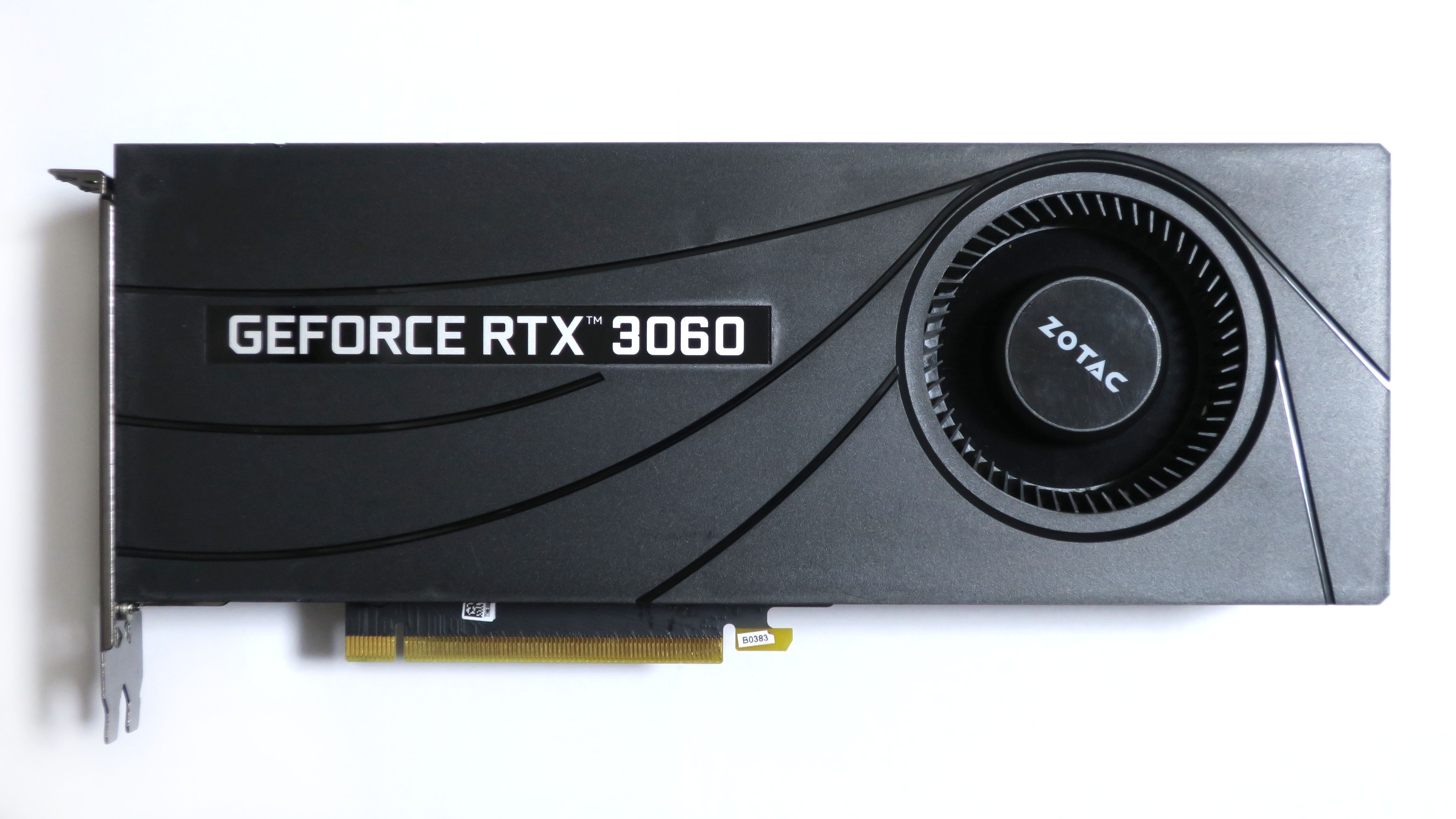
The relaxed verification process for the Steam Machine is not just a marketing tactic; it also reflects the system's hardware capabilities. Most current games will run smoothly on the Steam Machine without needing extensive optimizations, as its specs are closely matched to those of typical gaming PCs. This makes it an attractive option for players who want console-like convenience without compromising on performance.
However, the success of the Steam Machine may hinge on its price point. While no official price has been announced, estimates suggest it could land around $950 for a 512GB model and $1,070 for a 2TB version. This pricing is competitive for the hardware specifications but may still be too high to lure console gamers away from their familiar systems.
For developers, this shift means fewer hurdles to enter the Steam Machine ecosystem, potentially expanding the library of available games without compromising quality. For players, it offers a more straightforward path to enjoying a wide range of titles on a device that bridges the gap between PC and console gaming.
Who Should Care About the Steam Machine? This system is ideal for gamers who value flexibility and performance but want a more plug-and-play experience than traditional PCs. It's particularly appealing to those who own multiple devices or those transitioning from consoles to PC gaming without wanting to invest in high-end hardware. Additionally, its compatibility with existing Steam Deck games means that players already invested in the Steam ecosystem will find it an easy upgrade.