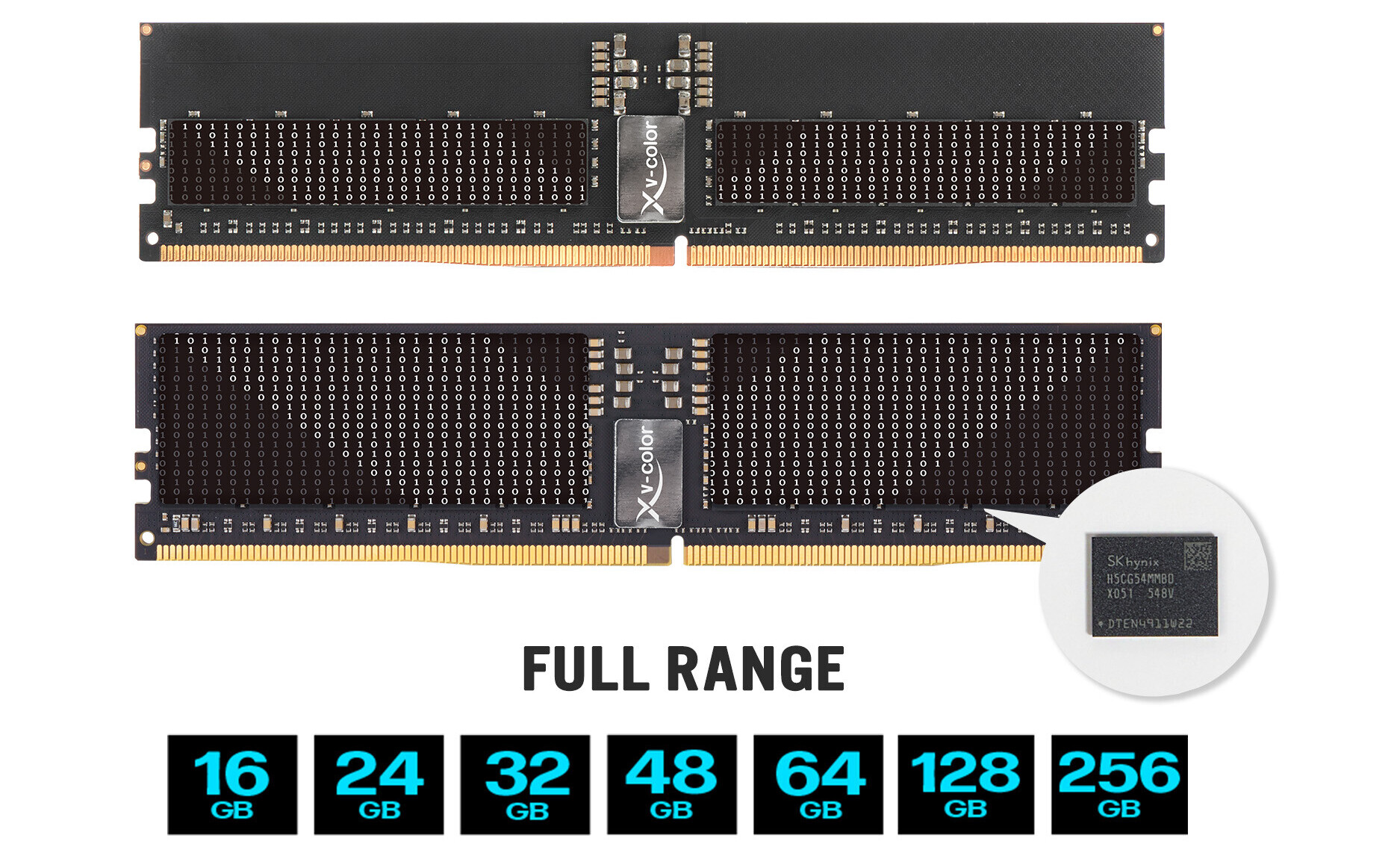
High-speed memory modules often demand significant voltage to sustain their advertised speeds, but Team Group’s Elite and Elite Plus DDR5 modules are changing that narrative. These modules now achieve 8,000 MT/s at a mere 1.1V, a feat that previously required higher voltages from competitors. This efficiency not only reduces power consumption but also mitigates heat generation, making them a compelling choice for both performance enthusiasts and system builders seeking to optimize their setups.
What sets these modules apart is their ability to maintain stability at such low voltage levels while pushing the boundaries of speed. Traditional DDR5 kits often struggle with thermal throttling or instability when operating at the upper echelons of their speed ratings, but Team Group’s design appears to have addressed these challenges head-on. The Elite and Elite Plus series, which are part of Team Group’s premium line, feature advanced heat spreaders that help dissipate heat more effectively, contributing to their reliability even under sustained workloads.
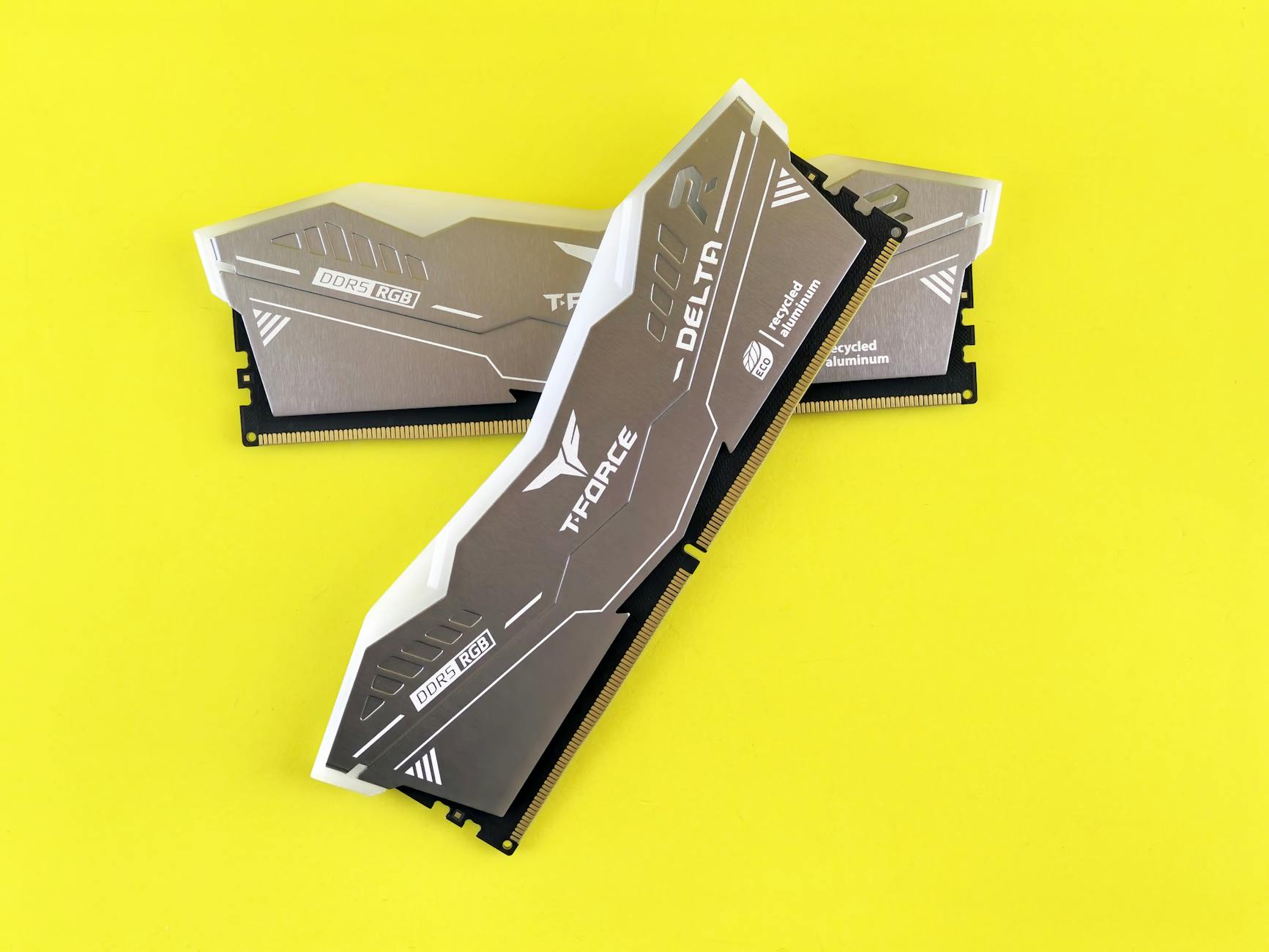
Why does this matter? For users who prioritize performance without sacrificing efficiency, these modules offer a rare combination of speed and power savings. The 8,000 MT/s rating is no small achievement—it places Team Group’s offerings on par with some of the fastest DDR5 kits available, but with a significant advantage in voltage requirements. This could shift the landscape for high-performance systems, where power draw and thermal output are critical considerations, especially in compact or air-cooled builds.
When it comes to pricing, Team Group’s Elite and Elite Plus modules are positioned as premium options, reflecting their performance capabilities. While exact prices may vary depending on region and availability, they are typically priced competitively with other high-end DDR5 kits, offering a balance between cost and cutting-edge technology. For those looking to push the limits of their systems without compromising on efficiency, these modules represent a notable advancement in memory technology.