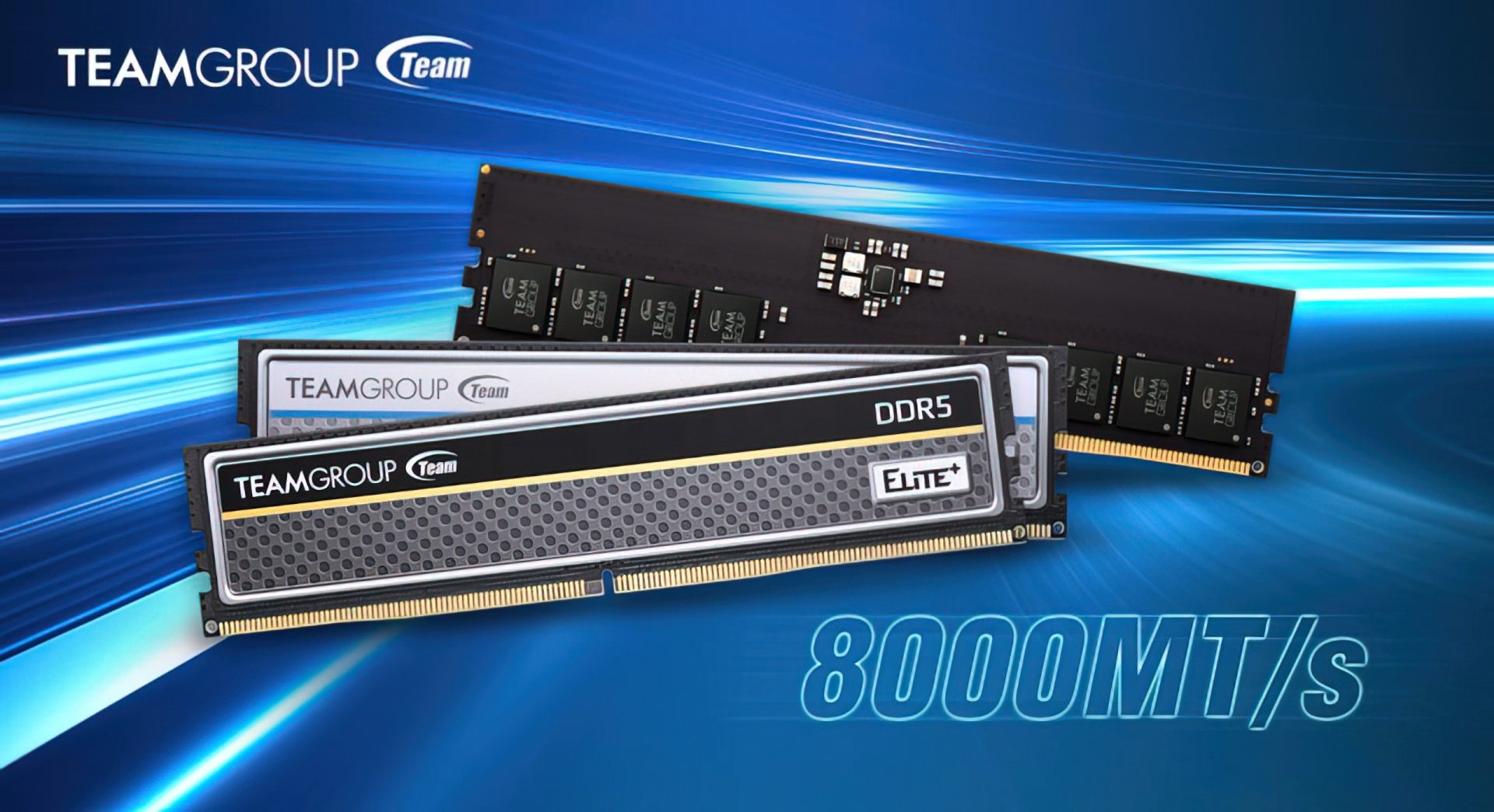
PC memory performance is about to enter a new phase. TeamGroup’s latest DDR5 modules are now available at speeds reaching 8,000 MT/s while operating at a mere 1.1 volts—well within JEDEC’s official standards. This isn’t just another speed bump; it’s a significant leap that could challenge the boundaries of what mainstream memory can deliver without sacrificing efficiency or compatibility.
Breaking the Speed Barrier
The modules, part of TeamGroup’s Elite series, push the envelope by achieving 8,000 MT/s at 1.1V, a feat that typically required higher voltages in previous generations. This balance between speed and power consumption is critical for PC builders who prioritize both performance and thermal management. The memory modules are designed to work seamlessly with existing motherboard platforms, though users should verify compatibility with their specific system to avoid potential stability issues.
What Builders Need to Know
- DDR5-8000 speed at 1.1V, reducing heat and power draw significantly compared to overclocked memory kits.
- JEDEC-compliant operation, ensuring broad compatibility with modern motherboards.
- Available in capacities up to 32GB per module, catering to high-end workstations and gaming rigs.
The push toward higher speeds without increasing voltage is a strategic move that could set a new standard for memory performance. However, not all systems will benefit equally—high-end motherboards with robust VRM designs are more likely to handle these speeds smoothly, while budget builds may face limitations. This development also raises questions about long-term stability and whether the industry can sustain such aggressive speeds without compromising reliability.
Looking Ahead
The introduction of DDR5-8000 modules at 1.1V signals a shift toward more efficient memory solutions, but it also introduces new considerations for PC builders. Those investing in high-performance systems will see the most immediate benefits, while others may need to weigh the risks of compatibility and stability. For now, this is a milestone that could redefine what’s possible with mainstream memory—if the industry can keep up.