Gaming has always been about pushing boundaries—higher resolutions, faster refresh rates, more immersive experiences. But one boundary that stubbornly resisted change was price: 4K gaming monitors have long been a luxury item, reserved for those with deep pockets and high-end rigs. That era is ending.
Today, you can find a 27-inch 4K monitor with a 144 Hz refresh rate for just $180—a price that challenges the notion of what a high-performance display should cost. It’s not just about the numbers on paper; it’s about how this shift could make 4K gaming accessible to a much broader audience, even if the hardware to match it remains out of reach for some.
This isn’t a fluke deal or a limited-time discount. It reflects a broader trend where manufacturers are rethinking the economics of high-end displays, squeezing costs without sacrificing key features like response time or color accuracy. For gamers, this means a chance to experience true 4K gaming without breaking the bank—though it also raises questions about what compromises (if any) come with such an aggressive price point.
Why This Matters: The Cost of pixels
The 4K revolution in gaming has been slow, not because the technology isn’t ready, but because the cost has been prohibitive. A few years ago, a 4K monitor would set you back $500 or more, often with features that didn’t justify the price tag—bloated stands, mediocre brightness, or subpar response times. Today, those same specs are available for less than half the cost.
This drop in price isn’t just about raw components; it’s also about design and manufacturing. Brands have learned to optimize production, use more efficient materials, and streamline assembly without cutting corners on the critical aspects that matter to gamers: refresh rate, response time, and color reproduction. The 27G1V, for example, checks these boxes with a 1 ms response time (average but not exceptional) and an IPS panel that delivers solid color performance.
But is $180 too good to be true? Not necessarily. While brightness tops out at 400 nits—on the dimmer side for HDR content—the stand may lack the premium feel of higher-end models, but it’s functional. For a monitor priced this aggressively, those are reasonable trade-offs. The real question is whether this sets a new baseline for what gamers should expect to pay for 4K performance.
Key Specs: What You Get for $180
- Display: 27-inch, 4K UHD (3840x2160), IPS panel, 144 Hz refresh rate, 1 ms response time, 400 nits brightness.
- Connectivity: HDMI 2.1, DisplayPort 1.4, VGA (for compatibility).
- Features: Adjustable stand with VESA mount compatibility, built-in speakers, HDR support (though not as deep as premium models).
The 27-inch size is a double-edged sword. On one hand, it’s large enough to be your primary monitor, especially if you’re using it in a dual-setup where the extra screen real estate comes in handy. On the other, it’s small enough that you won’t feel cramped in a single-monitor workstation. For gamers, this size is ideal for competitive titles where quick reactions matter more than sprawling landscapes.
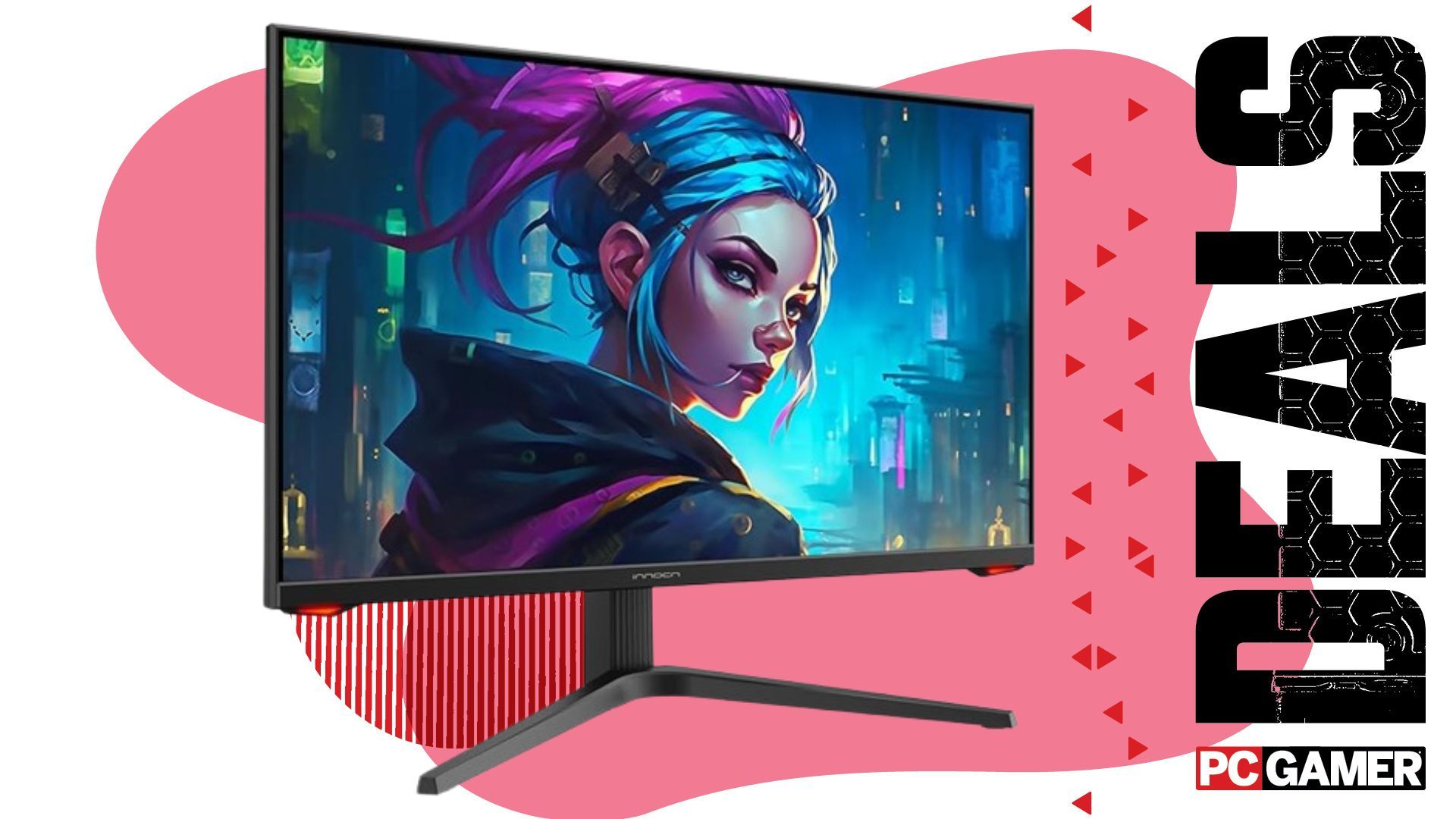
Where the 27G1V truly shines is in its balance of performance and price. A $50 premium gets you the MSI MAG 275UPD, which offers dual resolutions (4K and 1080p) and a higher peak brightness, but those features may not justify the extra cost unless you’re specifically targeting HDR or multi-resolution flexibility. For most gamers, the Innocn’s straightforward approach is more than enough.
The Bigger Picture: Is 4K Now the Standard?
This monitor’s price tag forces a conversation about whether 4K has finally crossed into the mainstream for gaming. Historically, 1080p was the sweet spot—offering a balance between performance and cost that made it accessible to almost everyone. But with GPUs becoming more powerful (and more expensive), the gap between 1080p and 4K is narrowing.
For those with mid-range PCs, 1080p remains the practical choice, especially in titles that don’t scale well with resolution. A $200 monitor might as well be a luxury when your GPU can’t push 4K at 60 FPS without heavy compromises. But for those with high-end setups—think RTX 50-series cards or comparable hardware—the $180 price point makes 4K an attractive proposition.
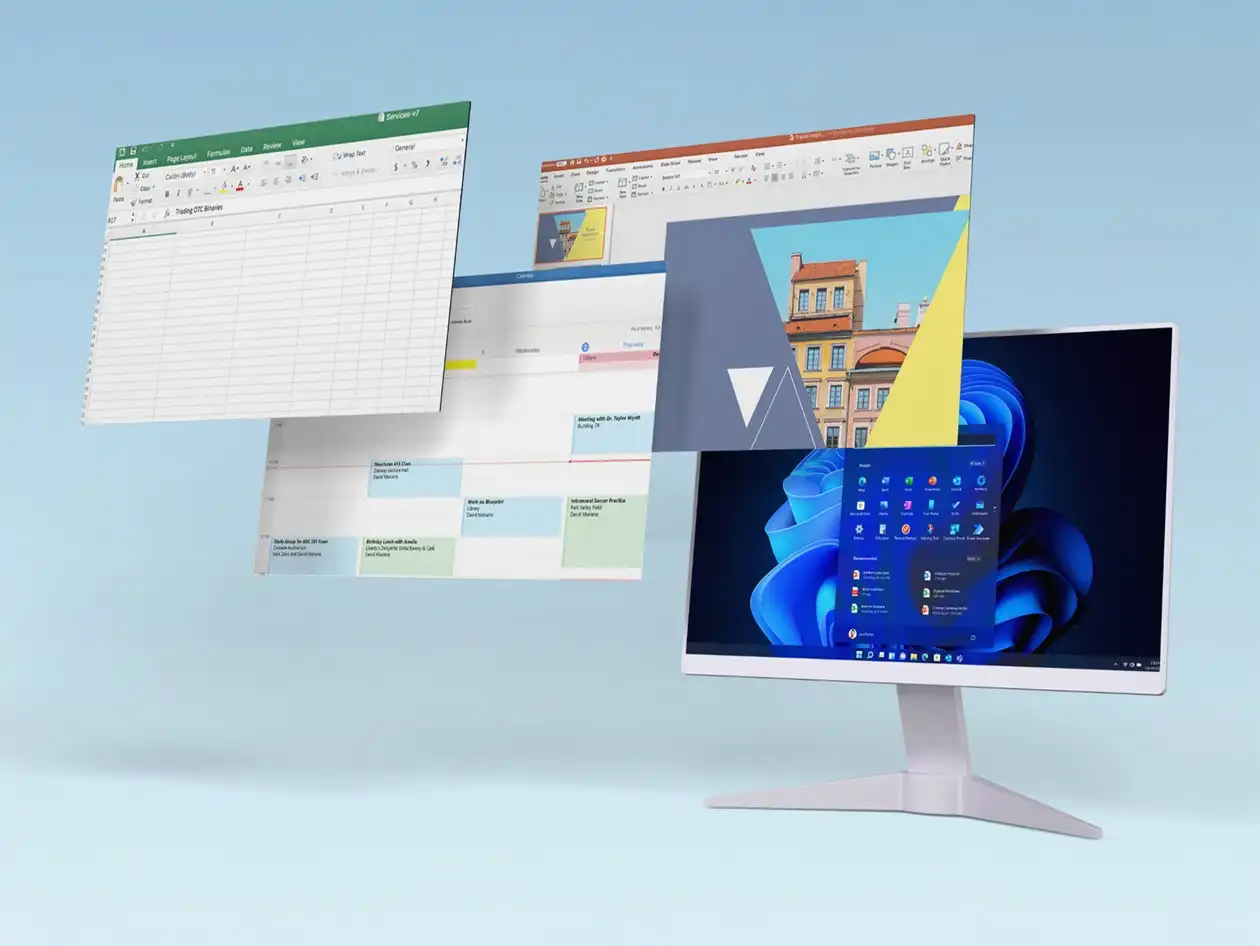
It’s also worth noting that this monitor isn’t just for hardcore gamers. Its IPS panel and solid color accuracy make it a viable option for content creation, video editing, or even light graphic design work. The 27-inch size is perfect for productivity setups where you need extra screen real estate without overwhelming your workspace.
Looking Ahead: What’s Next?
The $180 barrier for a 4K monitor is a milestone, but it’s not the end of the story. As GPUs become more powerful and prices stabilize (or even drop), we’ll likely see this trend continue—monitors with even better specs at even lower prices. The challenge will be ensuring that these cost savings don’t come at the expense of quality.
For now, the 27G1V serves as a benchmark: proof that high-performance gaming displays don’t have to cost an arm and a leg. Whether this is the new floor for 4K monitors or just a temporary dip remains to be seen, but one thing is clear—gamers are getting a better deal than ever before.