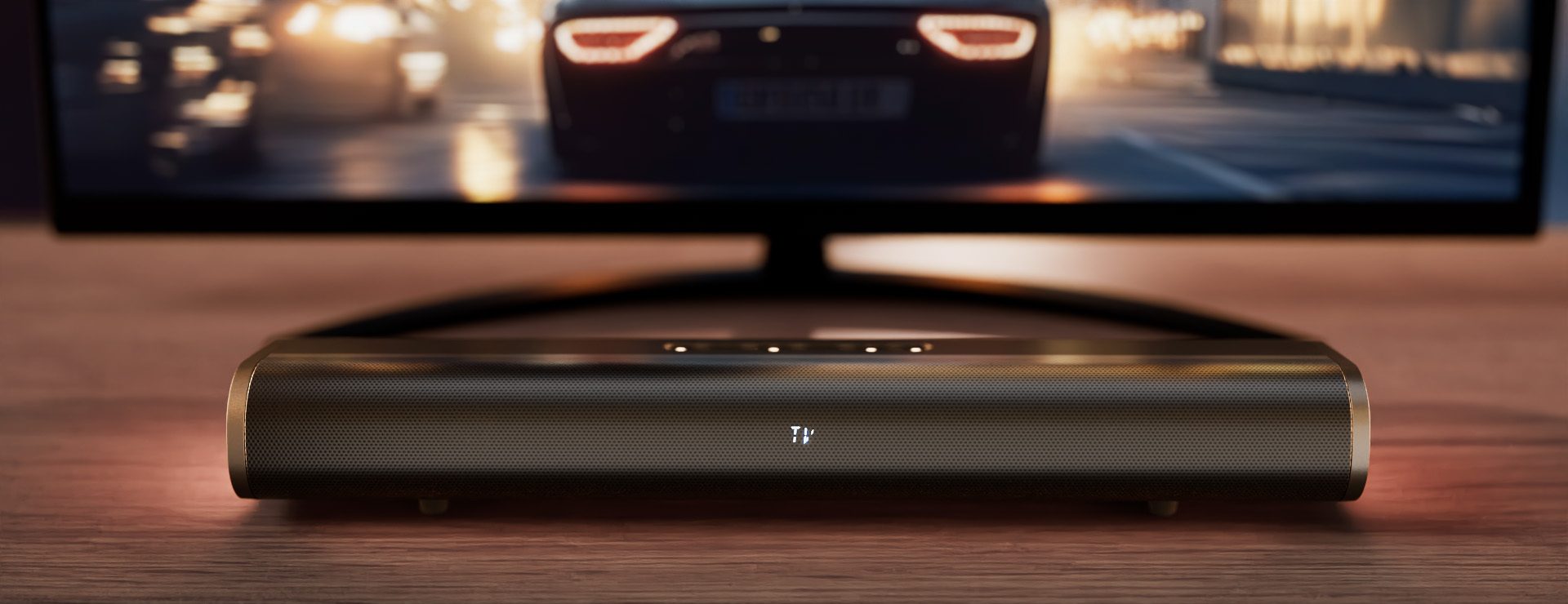
The Creative Stage Pro arrives at a moment when portability and performance are no longer an either-or choice for content creators. It’s a device that promises the precision of a studio monitor in a package small enough to fit inside a laptop bag, yet its true value hinges on whether it can deliver consistent, high-fidelity audio without compromising on power or flexibility.
On paper, the Stage Pro is built around a 4-inch full-range driver and a 1.5-inch tweeter, paired with a 20-watt amplifier that pushes up to 96 dB SPL. That’s enough to fill a room without distortion, but the real engineering challenge lies in maintaining clarity across frequencies—something critical for podcasters, musicians, or voice-over artists who rely on accurate sound reproduction in tight spaces.
The speaker’s design is where it starts to tell a different story. Weighing just 1.3 kilograms and measuring 205 x 148 x 67 millimeters, the Stage Pro is lightweight enough to be considered an accessory rather than a secondary device. Yet its build quality—with a magnesium alloy chassis and rubberized grip—suggests it’s built for daily use, not just occasional transport. The inclusion of dual USB-C ports (one for power delivery, one for audio input) adds practicality, allowing it to double as a direct-to-device amplifier if needed.
But the Stage Pro isn’t just about raw specs. Its software integration is where its competitive edge becomes clearer. Unlike many portable speakers that rely on basic EQ controls or pre-loaded presets, Creative has bundled a desktop application that lets users fine-tune frequency response, phase alignment, and even room compensation—features more commonly associated with high-end studio monitors. This level of control is significant because it allows creators to match the speaker’s output to their environment, reducing the need for expensive acoustic treatment.
Where the Stage Pro stumbles, however, is in its power limitations. At 20 watts, it can’t compete with larger PA systems or even some desktop setups in terms of volume. In a shared studio or live setting, it may require multiple units to achieve the same impact, which could offset its portability benefits. Additionally, while the speaker supports Bluetooth 5.1 and Wi-Fi for wireless streaming, latency remains a concern for real-time applications like live podcasting or voice recording.
The final question is whether the Stage Pro can earn a place in professional workflows without becoming an afterthought. Its portability and software smarts are undeniable, but its power output and environmental adaptability still leave room for doubt. For now, it’s a strong contender for creators who prioritize flexibility over brute force—but only if they’re willing to accept that some compromises are inevitable when balancing size and performance.