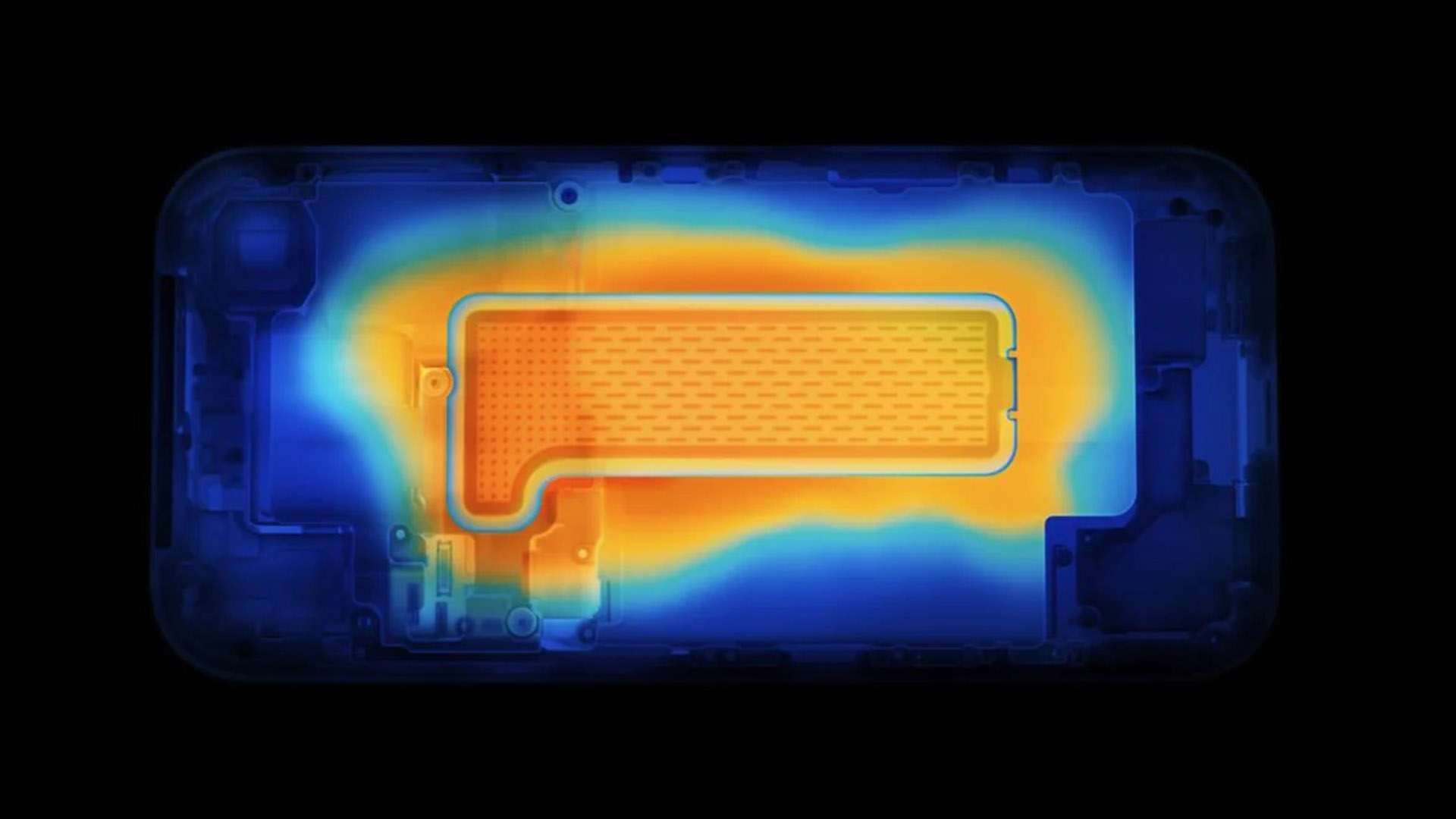
Water resistance in smartphones is often measured by ratings like IP68, but the real story lies in the engineering details that bring those numbers to life. At the heart of Apple's approach is an adhesive layer applied during assembly—a silent upgrade that goes beyond mere sealing to deliver unmatched durability.
The shift toward more robust water resistance began years ago, but Apple's implementation stands out for its precision and efficiency. While competitors often opt for bulkier designs or less durable materials, Apple's method maintains a sleek profile without sacrificing performance. The adhesive used isn't just a stopgap; it's engineered to perform under extreme conditions, ensuring even the tiniest gaps are sealed effectively.
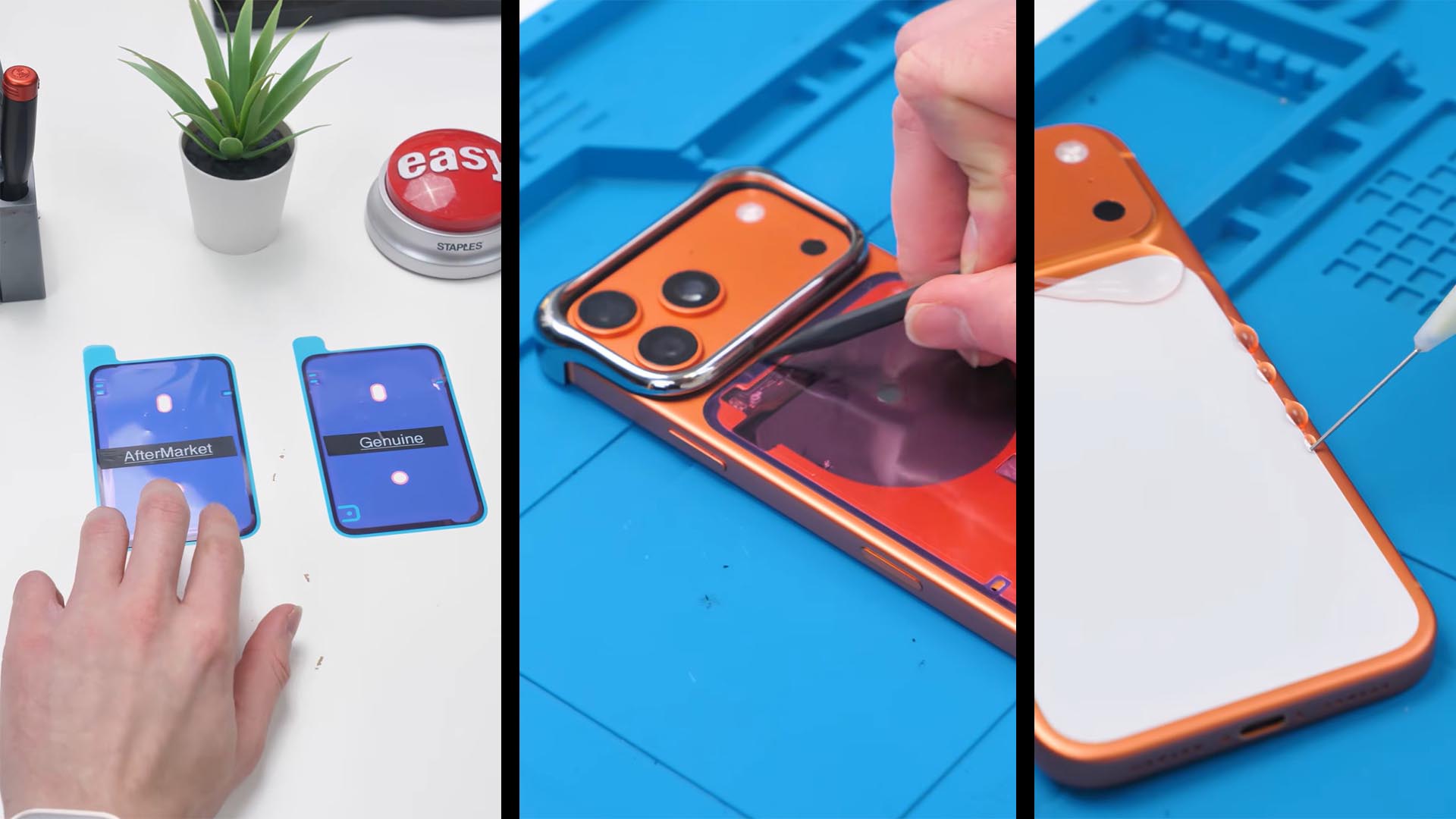
- Water Resistance: IP68 rated (up to 2 meters for 30 minutes)
- Adhesive Performance: Superior durability and longevity compared to aftermarket solutions
- Design Integration: Seamless construction with minimal bulk, maintaining device slimness
The practical impact of this engineering is significant. For everyday users, it means fewer worries about accidental water exposure—whether from a spilled drink or a sudden rain shower. The adhesive's effectiveness also ensures that repairs and replacements are less likely to fail under pressure, reducing long-term costs and frustration.
While high-end features like processors or camera systems often steal the spotlight, details like this adhesive highlight Apple's commitment to holistic quality. It's a reminder that even the smallest components can have a disproportionate impact on a device's reliability and longevity. For those who prioritize both performance and durability, these hidden upgrades are worth noting.