The Sonic the Hedgehog series stands at a pivotal moment, its identity both celebrated and questioned after decades of evolution. The recent shift toward open-world design, particularly with Sonic Frontiers, has sparked debate—some praise its innovation, while others yearn for a return to the franchise’s signature speed and charm. A trusted insider recently dropped a cryptic hint that suggests Sega may continue down this path, but whether it will satisfy fans or deepen the divide remains uncertain.
Since its inception in 1991, Sonic has been synonymous with high-speed platforming, a legacy built on tight controls and iconic visuals. The transition to three-dimensional gameplay was rocky, with mixed results that left some entries feeling disjointed. Sonic Frontiers, released in 2022, attempted to modernize the formula while preserving the series’ spirit. It introduced an open-world structure, blending exploration with traditional platforming, but its visual identity—often described as a blend of generic UE5 terrain and Sonic elements—divided fans. Some argue it strayed too far from the franchise’s roots, while others see potential for growth in this new direction.
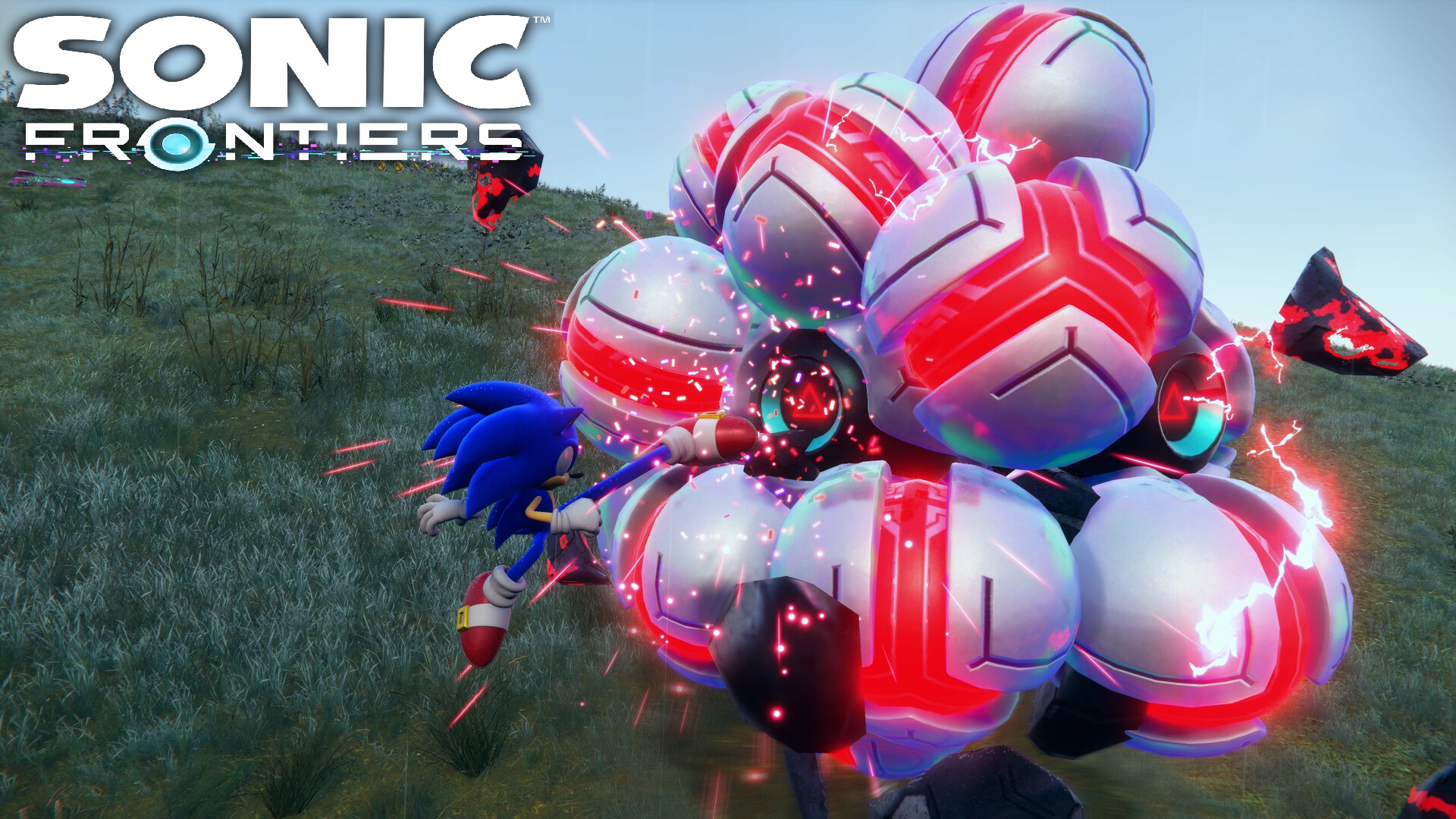
If Sega proceeds with another open-world entry, the question isn’t just about gameplay mechanics but also about visual identity. The series has always thrived on its vibrant, cartoonish aesthetic, a hallmark that Sonic Frontiers seemed to downplay. Fans speculate whether the next game will embrace this style more prominently or double down on realism, risking alienating those who cherish Sonic’s nostalgic charm.
The timing of any announcement is also notable. 2026 marks the series’ 35th anniversary, a milestone that could serve as the perfect stage for Sega to unveil its vision. Whether it leans into open-world experimentation or takes a different path, the decision will likely shape Sonic’s future in ways that resonate—or clash—with its devoted fanbase.
For now, the conversation rages on: Will Sega listen to those clamoring for a return to form, or will it push boundaries further, even if it means leaving some behind? The answer may not be long in coming.