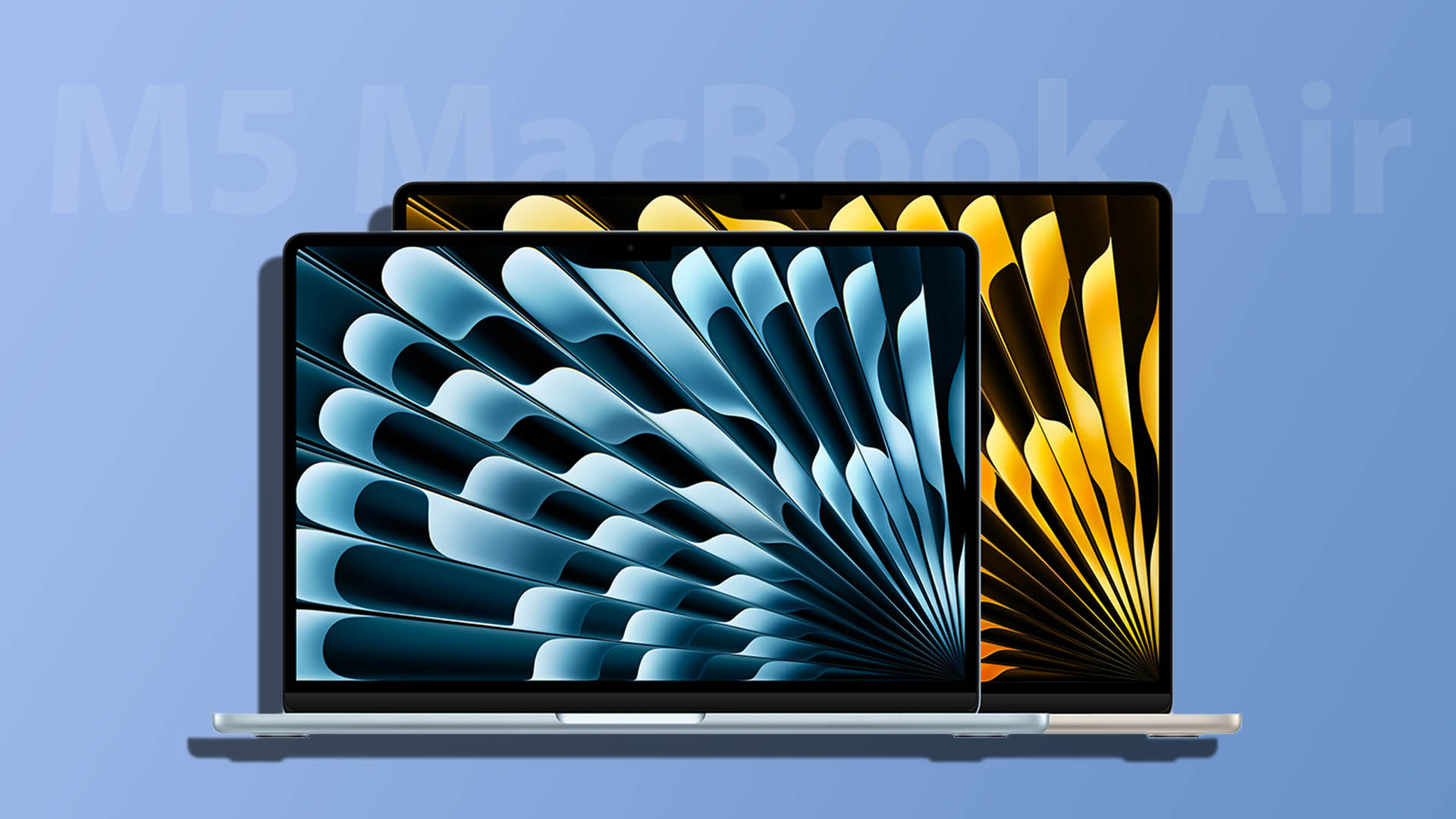
The M5 MacBook Air arrives as a subtle evolution rather than a radical leap. It inherits the compact design of its predecessor but swaps out the previous generation’s M1 chip for Apple’s latest M5 system-on-a-chip, promising longer battery life and smoother multitasking.
Where the older model balanced portability with modest performance, this version tightens that balance. The jump from 8GB to 16GB of unified memory is noticeable in real-world use—apps launch faster, and switching between tasks feels nearly instant. Yet the upgrade isn’t just about raw numbers; it’s about how those specs translate into daily routines.
At its core, the M5 MacBook Air doesn’t redefine what a laptop should be. Instead, it refines what already works well for students, remote workers, and casual creators who rely on Apple’s ecosystem. The question isn’t whether it’s better than last year’s model—it is—but how much better, and whether that difference justifies an upgrade for those still using older Macs.
What’s confirmed: the M5 chip delivers up to 18 hours of battery life, a 20% improvement over its predecessor. Storage options remain limited to 256GB or 512GB, with no user-upgradable SSD. The 13.6-inch Liquid Retina display is unchanged, maintaining a 2560×1664 resolution and P3 wide color support.
What’s claimed: Apple suggests the M5 chip’s efficiency will reduce fan noise to near silence during typical workloads. Whether that holds up in sustained video editing or rendering remains untested, but early impressions hint at cooler operation under light loads.
What’s still unclear: How the M5’s performance stacks against higher-end M-series chips like the M2 Pro or M3 Max in professional workflows. The Air’s design and thermal limits mean it won’t challenge those models for CPU/GPU-heavy tasks, but its role as a mid-range powerhouse is worth watching.
For everyday buyers, the decision hinges on three factors
- The need for more memory or storage than an older M1 model can provide.
- Desire for longer battery life and slightly faster performance without sacrificing portability.
- Commitment to Apple’s ecosystem—features like seamless iPhone transfers, iCloud integration, and App Store exclusives add value over time.
The M5 MacBook Air isn’t a game-changer. It’s a steady upgrade for those already in the Apple fold, offering incremental improvements that add up during long workdays or study sessions. If you’re on an older Mac and notice apps lagging or battery life fading, this version could be worth considering—but only if the trade-off between current needs and future-proofing makes sense.
Availability remains a key unknown. Apple typically releases new MacBook Air models in late spring, but exact dates aren’t confirmed. For now, the focus shifts to whether the M5’s efficiency translates into tangible gains for non-power users—a group this laptop serves best.