The Outer Worlds, Obsidian’s space-faring RPG, set out to challenge players with a sharp critique of classism—but its rigid artistic rules may have undermined the very message it sought to deliver. The game’s director, Tim Cain, has reflected on how its narrow focus on societal class as the sole lens for discrimination left many players confused about its tone.
From the start, the development team enforced a strict creative guideline: discrimination in The Outer Worlds would only be framed through class, not race or gender. This meant no misogyny, no racial bias—just the idea that a janitor might be despised for their occupation while a doctor would be revered. The logic was clean, but the execution fell flat.
Players didn’t see it as a deliberate thematic choice; they saw it as an omission. Cain acknowledges that the game’s attempt to isolate classism made its satire feel disconnected from real-world struggles. A worker exploited by capitalism might suffer the same fate as a doctor in a corporate dystopia, but the game’s world didn’t reflect how gender or race compound those inequalities in reality. The result? A tone that felt tonally inconsistent, even if the anti-capitalist themes were clear.
Why the Rules Backfired
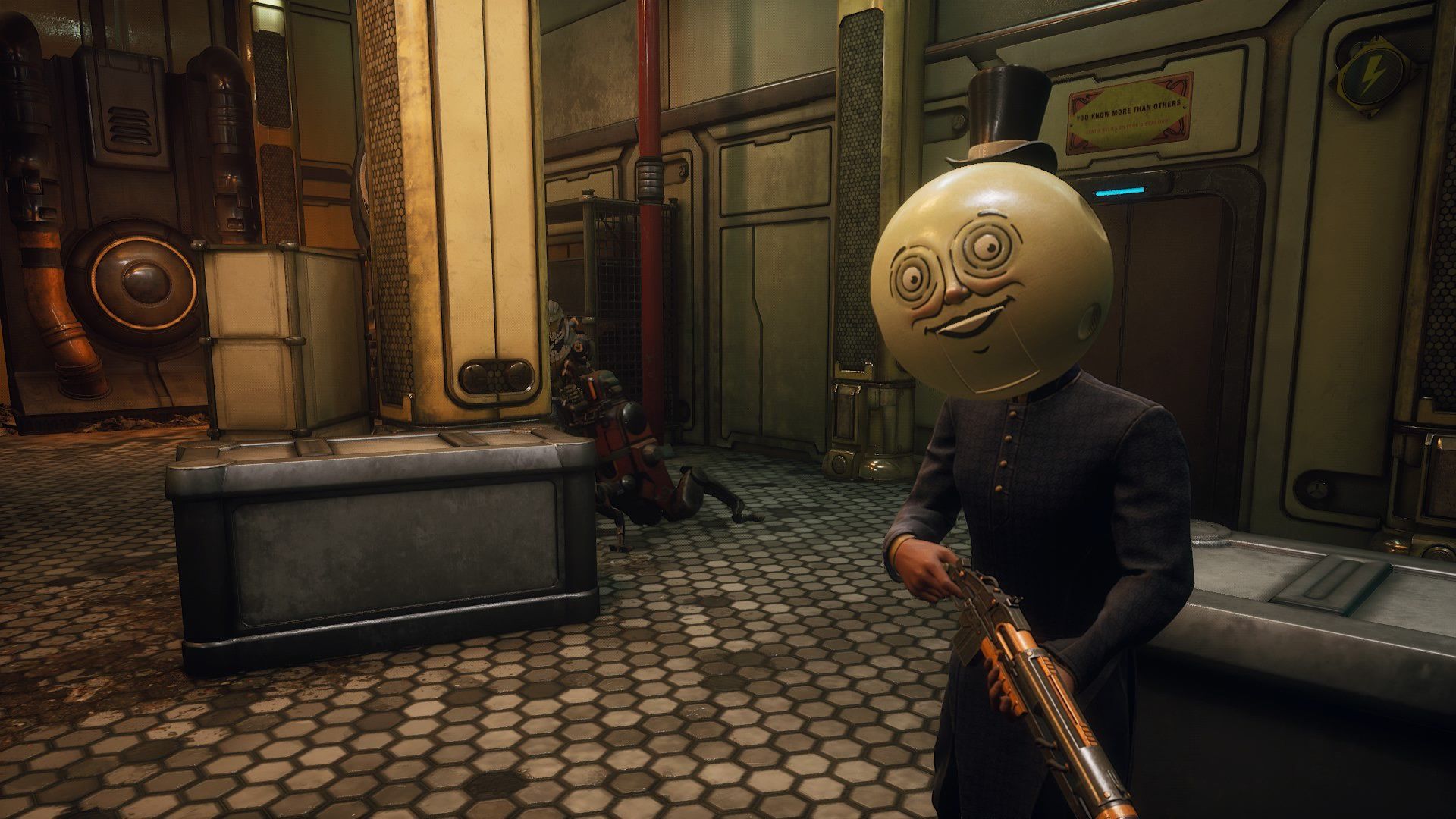
The Outer Worlds’ world is a brutal satire of corporate greed, where megacorporations rule like feudal lords and workers scramble for survival. Yet by stripping away other forms of discrimination, the game risked feeling like a simplistic allegory rather than a lived-in critique. Cain points to an internal tension: an artist might want a weapon tied to a specific class for visual cohesion, while a designer worries about balancing loot fairness. Someone always has to make the call—preserve the tone, or compromise for gameplay.
Even the sequel, The Outer Worlds 2, has faced criticism for its toothless satire. While the game’s world is undeniably anti-capitalist, its messaging often feels like a finger-wag without deeper examination. The problem isn’t just the execution—it’s whether the rules governing the game’s tone actually served its themes.
A Lesson in Tone
Defining tone in games is notoriously difficult. It’s the difference between a world that feels lived-in and one that feels like a lecture. Cain’s admission highlights a broader challenge in game design: how to balance artistic vision with player engagement. The Outer Worlds’ class-first approach was bold, but it may have missed the mark by ignoring how real-world discrimination intersects with class. The takeaway? Even the most well-intentioned themes can falter if the execution doesn’t match the intent.