PC hardware is no longer just about pushing performance metrics higher. The latest GPUs and CPUs, while delivering unprecedented computational power, are forcing buyers to confront a new reality: the practical challenges of integrating these components into existing systems can outweigh their benefits.
This shift is evident in the market’s current state. While shortages of high-end hardware have eased slightly, they’ve been replaced by a different kind of limitation—one tied to system design rather than sheer availability. The NVIDIA RTX 4090 and AMD Radeon RX 7900 XTX, for instance, offer AI performance of up to 82 TFLOPS and graphics processing at 104 TFLOPS, respectively. However, these capabilities come with strict requirements that go beyond raw power.
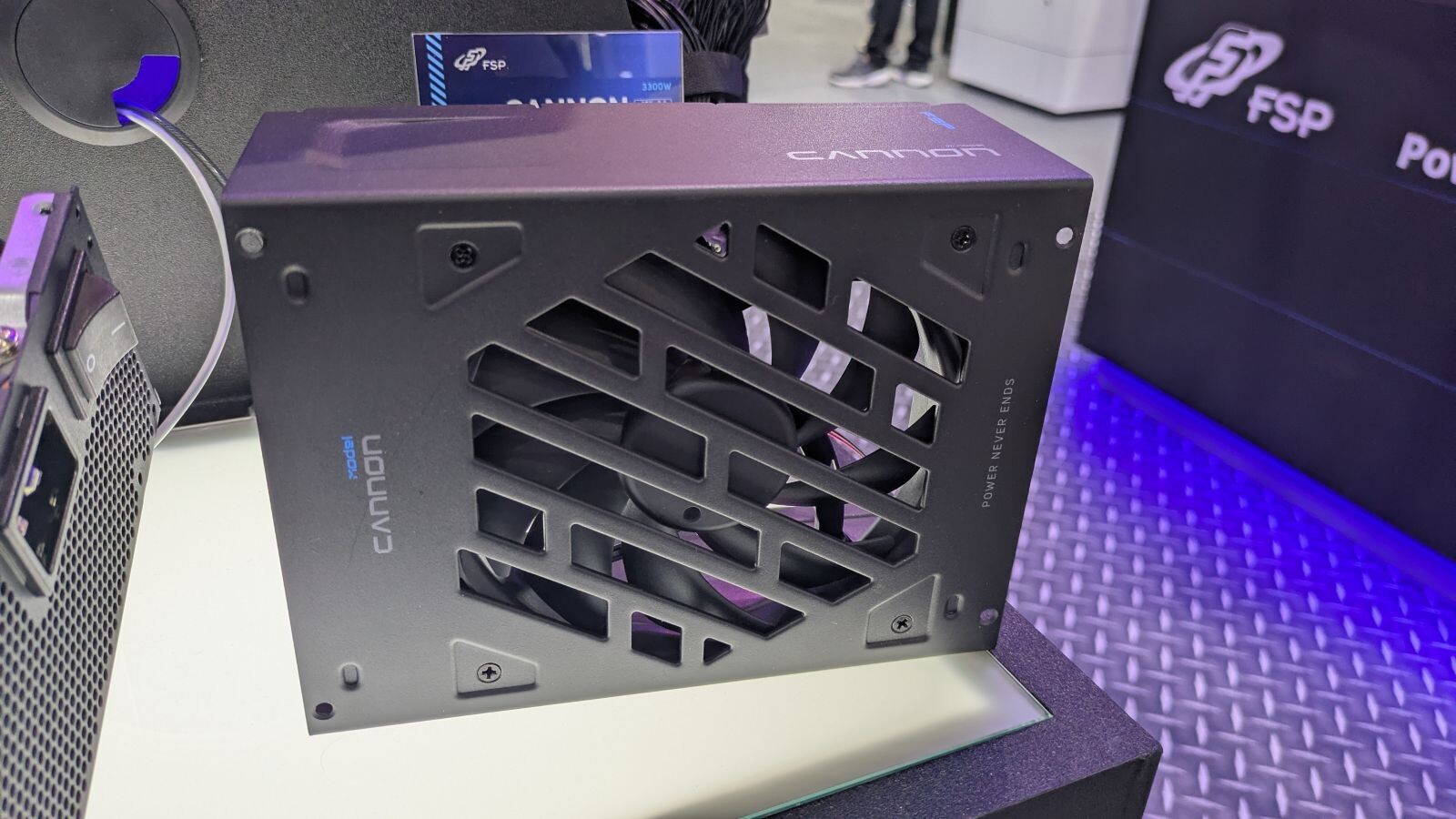
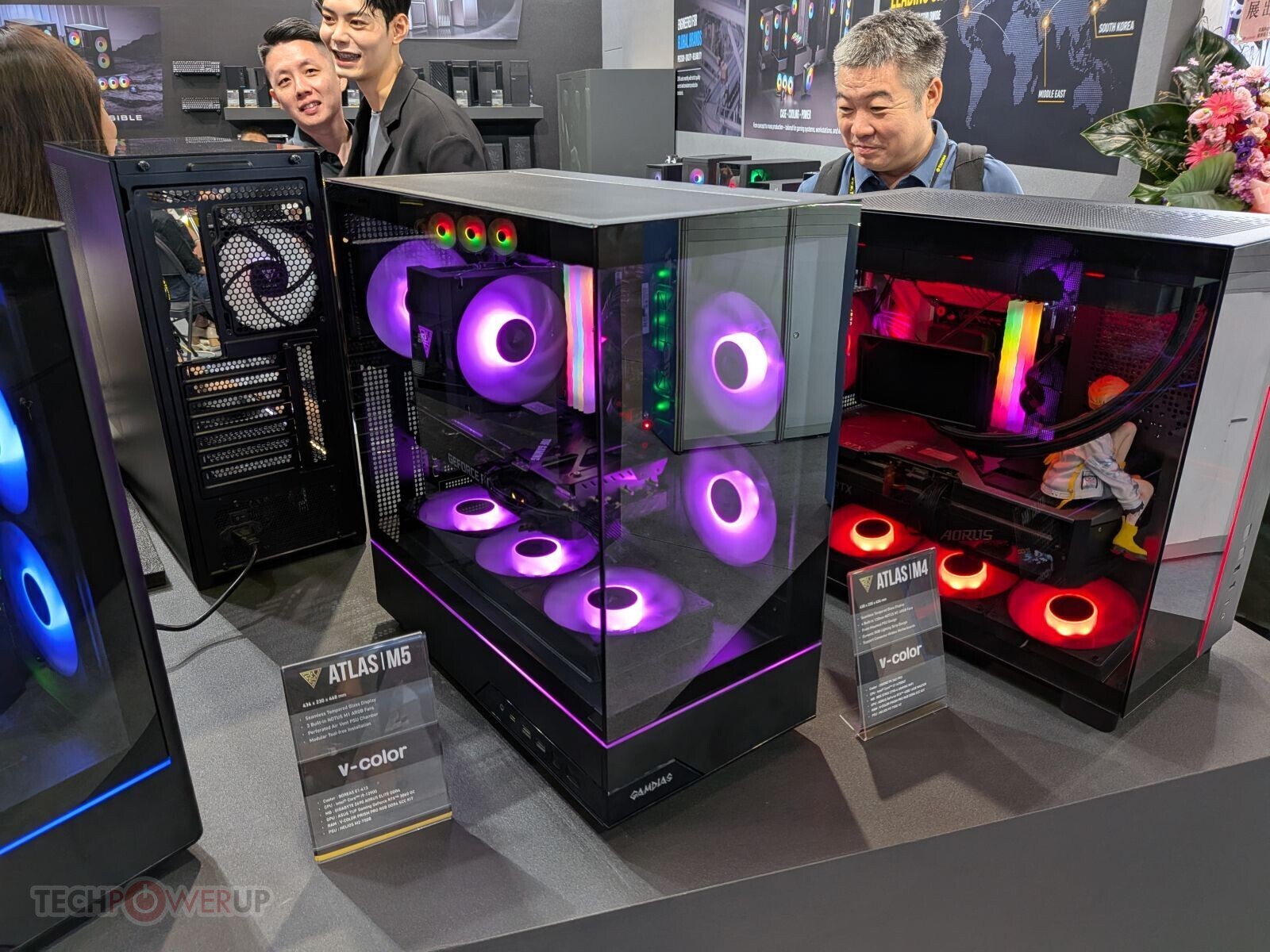
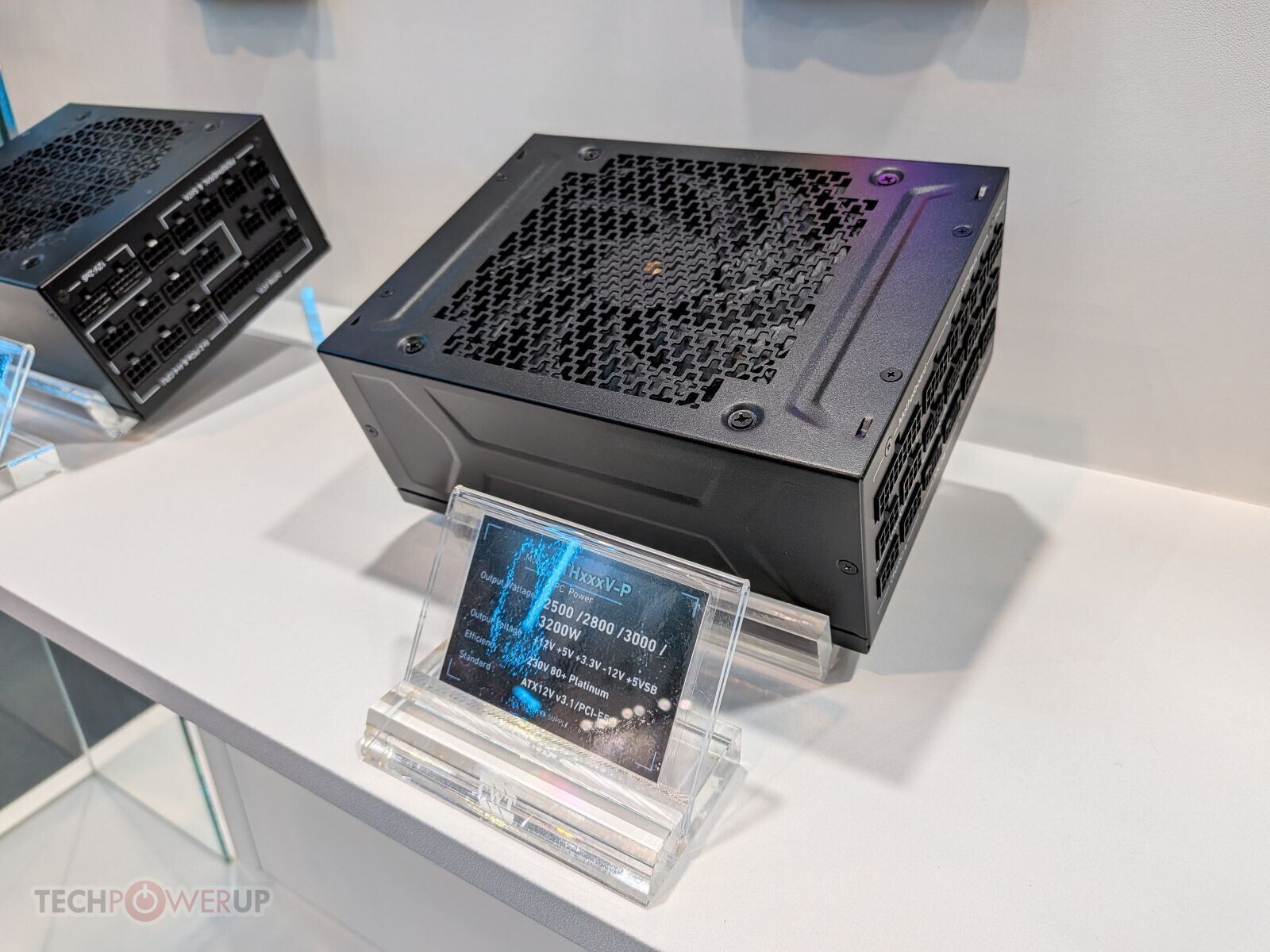
Take the RTX 4090: it demands a power supply unit rated for at least 850 watts and a case large enough to accommodate its substantial size. Similarly, the RX 7900 XTX imposes similar demands on cooling and power delivery. These aren’t just technical specifications; they represent a fundamental change in how buyers must approach hardware selection.
On the CPU front, Intel’s Core i9-13900K and AMD’s Ryzen 9 7950X are pushing the boundaries of multi-core performance. The i9-13900K features 24 cores (8 performance cores and 16 efficiency cores) with a base clock of 3.0 GHz and a turbo boost reaching 5.8 GHz. Meanwhile, the Ryzen 9 7950X offers 16 cores with a base clock of 4.5 GHz and a maximum boost of 5.7 GHz. But these specifications are only part of the story.

The real challenge lies in whether buyers can effectively leverage this performance in their workflows. For AI developers or data scientists, the difference between a mid-range GPU and a high-end model can be dramatic—reducing computation times from hours to minutes. However, realizing this potential often requires more than just installing new hardware; it may involve rethinking data pipelines, cooling solutions, or even system architecture.
Compatibility has emerged as the unspoken gatekeeper of performance. Buyers who upgraded their systems last year might find themselves facing unexpected roadblocks. Older motherboards may not support the latest CPUs without a BIOS update, and power delivery requirements for high-end GPUs can strain even the most robust systems. This isn’t just about hardware; it’s about ensuring that the new components work together harmoniously.
The market is signaling a shift in priorities. The next wave of hardware is undeniably powerful, but its adoption requires careful consideration. Buyers must evaluate not only the specifications on paper but also how these components will fit into their existing or planned setups. This means planning ahead—perhaps even delaying upgrades—to ensure that the performance boost translates into tangible improvements in workflow.
As the market evolves, so does the way buyers approach hardware upgrades. The question is no longer just whether to buy the latest; it’s about determining if the latest will actually work for you—and that decision demands more thought than ever before.