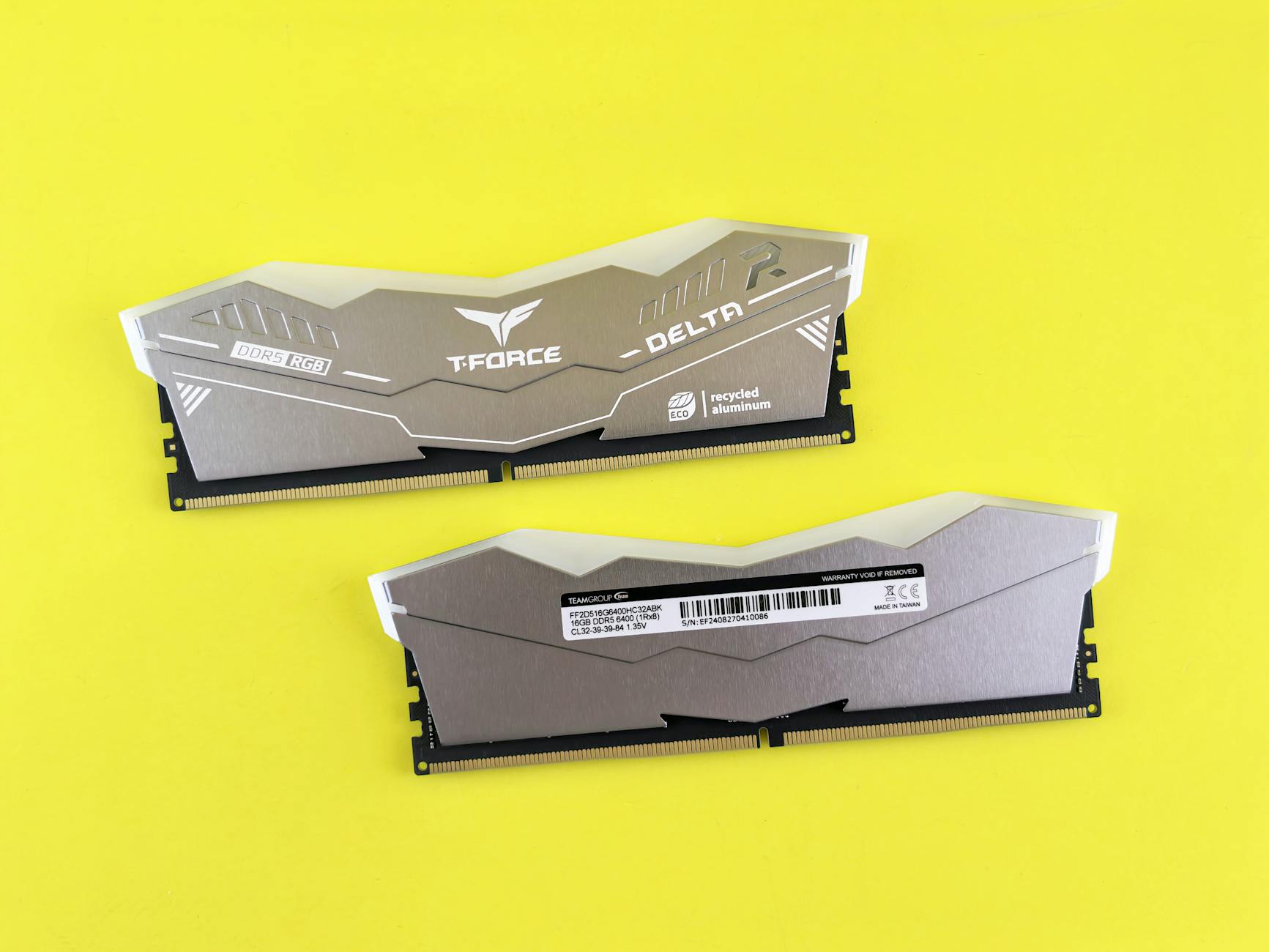
As DDR5 memory prices soar to new peaks, a parallel market has emerged—one built on deception. Counterfeit modules, stuffed with plastic chips and bearing fake labels, are slipping into systems undetected, risking data corruption and compatibility failures for enterprise buyers at a critical juncture.
The problem isn’t just the counterfeits themselves; it’s their timing. Just as DDR5 adoption accelerates to meet demand for faster, more efficient platforms, these fake modules introduce a new layer of instability. For businesses investing in next-generation infrastructure, the stakes couldn’t be higher: a single faulty stick can disrupt workflows, invalidate warranties, and even trigger system crashes that cascade through entire data centers.
This isn’t an isolated issue confined to budget peripherals. Reports indicate that counterfeit DDR5 modules—often indistinguishable from genuine parts at first glance—are appearing in mid-range and high-end configurations alike. The plastic chips inside mimic real components but lack the thermal and electrical characteristics of authentic memory, leaving them vulnerable to overheating or failure under load.
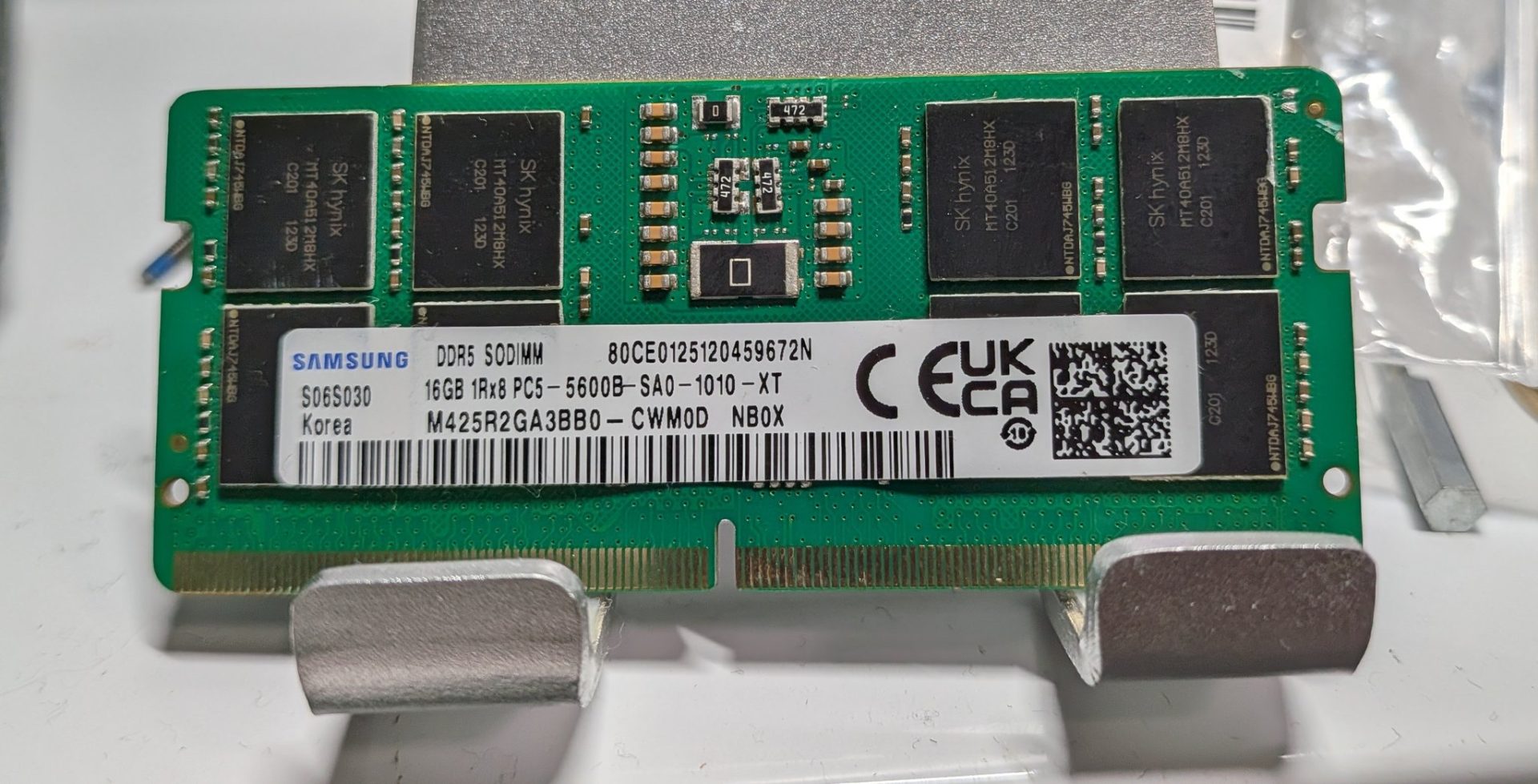
For enterprise buyers, the risk extends beyond hardware reliability. Compatibility becomes a minefield when counterfeit modules are paired with validated platforms. System builders and IT teams must now vet every module, adding friction to procurement processes already strained by global supply shortages. The result? A market where trust is eroding just as efficiency demands grow.
What makes this situation particularly dangerous is the lack of visible markers for counterfeits. Unlike older DDR generations, which often had telltale inconsistencies in labeling or packaging, DDR5 modules now rely on digital authentication—something counterfeiters are increasingly bypassing with cloned serial numbers and forged certification stickers.
So where do things stand today? Buyers face a dual challenge: securing legitimate DDR5 at inflated prices while navigating a hidden market of imposters. Without industry-wide action to tighten authentication, the risk of undetected failures will only grow—leaving enterprises caught between soaring costs and silent system threats.