Video games thrive on immersion, and no element pulls players deeper into a world than its soundtrack. While graphics and gameplay mechanics evolve at breakneck speeds, the best game music transcends its medium—lingering in memory long after the credits roll. For many, the first spark of recognition came not from a cinematic trailer but from a three-note motif or a battle theme that felt like a sonic punch in the gut.
The Nintendo 64’s Killer Instinct Gold* didn’t just deliver brutal arcade-style combat—it dropped a metal-infused anthem that sounded like a guitar solo crashing into an anvil. That moment wasn’t just a soundtrack choice; it was a declaration that video game music could rival rock concerts. For a generation raised on JRPGs, the contrast between delicate piano ballads and explosive orchestral battles became a defining feature of the genre. Tracks like Final Fantasy VII’s Aerith’s Theme or Kingdom Hearts’ Simple and Clean weren’t just background music—they were emotional bookends, capable of reducing grown-ups to tears decades later.
At the heart of this revolution stands Nobuo Uematsu, whose name is synonymous with the Final Fantasy series. His compositions—from the whimsical Chocobo’s Theme to the haunting One-Winged Angel—don’t just accompany gameplay; they define it. Uematsu’s ability to weave fantasy and futurism into a single orchestral tapestry made him a musical architect for an entire generation. Even today, revisiting his work feels like stepping into a time capsule of nostalgia, where every note carries the weight of a 20-year-old memory.
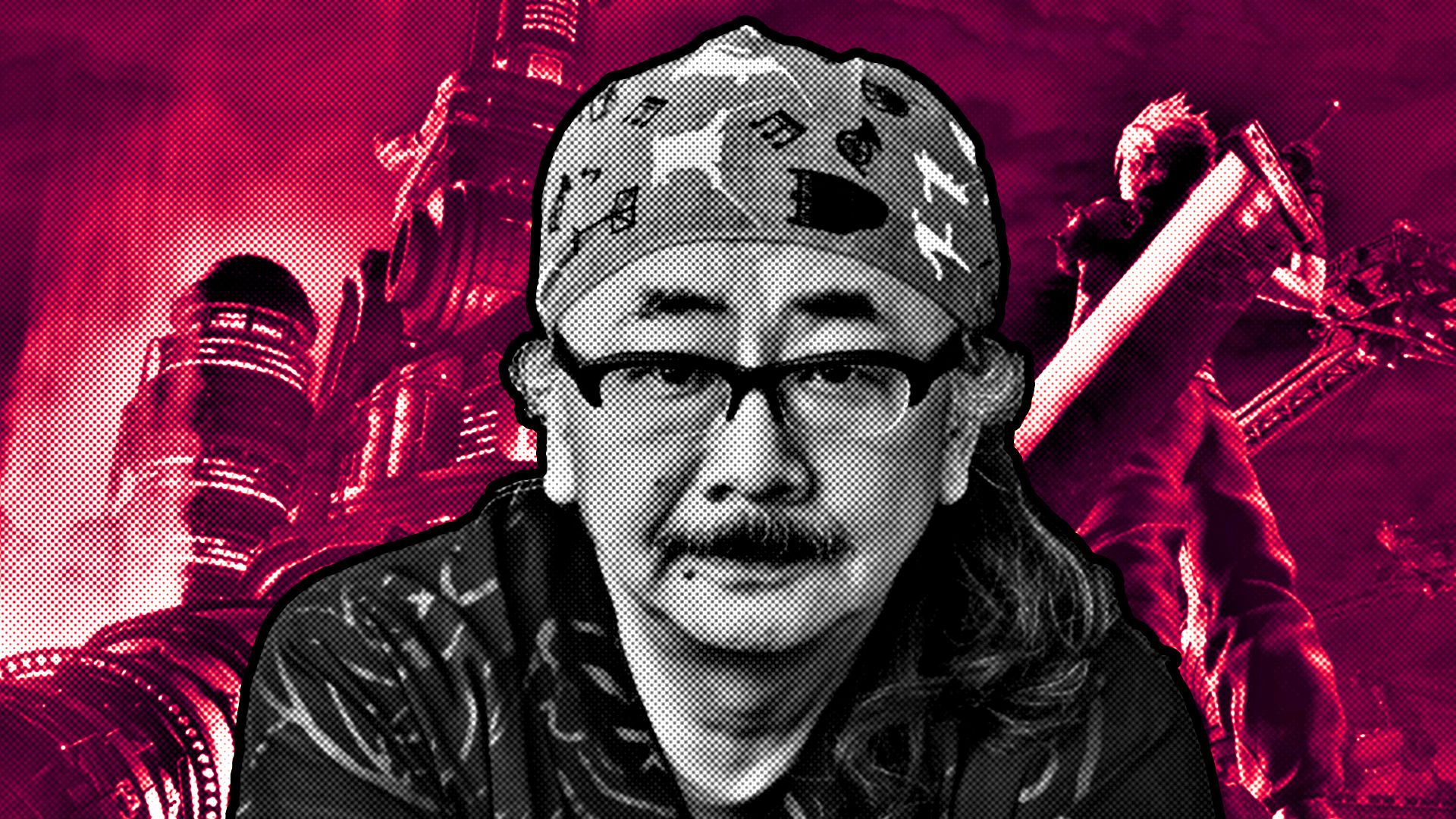
Yet Uematsu isn’t alone. Composers like Masayoshi Soken—known for Final Fantasy XIV’s dynamic, genre-blending score—have expanded the boundaries of game audio. Soken’s work thrives on adaptability, shifting from epic battles to intimate character moments with seamless precision. His music doesn’t just react to gameplay; it evolves with it, creating a living soundtrack that feels uniquely personal to each player’s journey.
But the question remains: Who is the greatest game composer? The answer isn’t just about technical skill—it’s about the emotional resonance of a single melody. Whether it’s the adrenaline rush of a battle theme or the quiet sorrow of a character’s farewell, the best game music doesn’t just accompany the story; it becomes the story. For some, it’s the thunderous riffs of Mick Gordon’s Doom score. For others, it’s the soaring choral arrangements of Halo’s Children of the Sand*. One thing is certain: Without these composers, games would be hollow shells of their former selves.
Who do you consider the greatest game composer? Which track has stayed with you the longest?