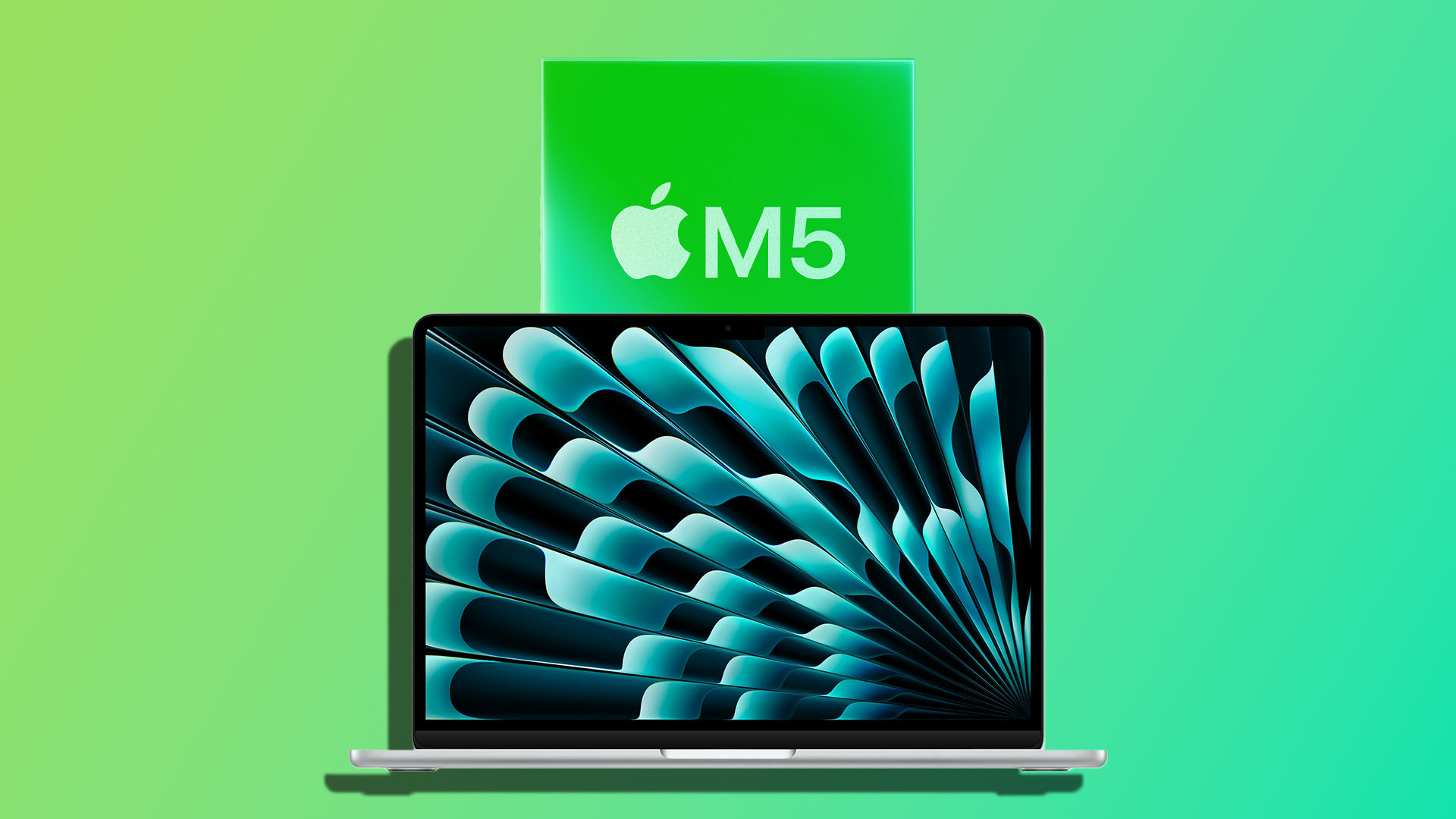
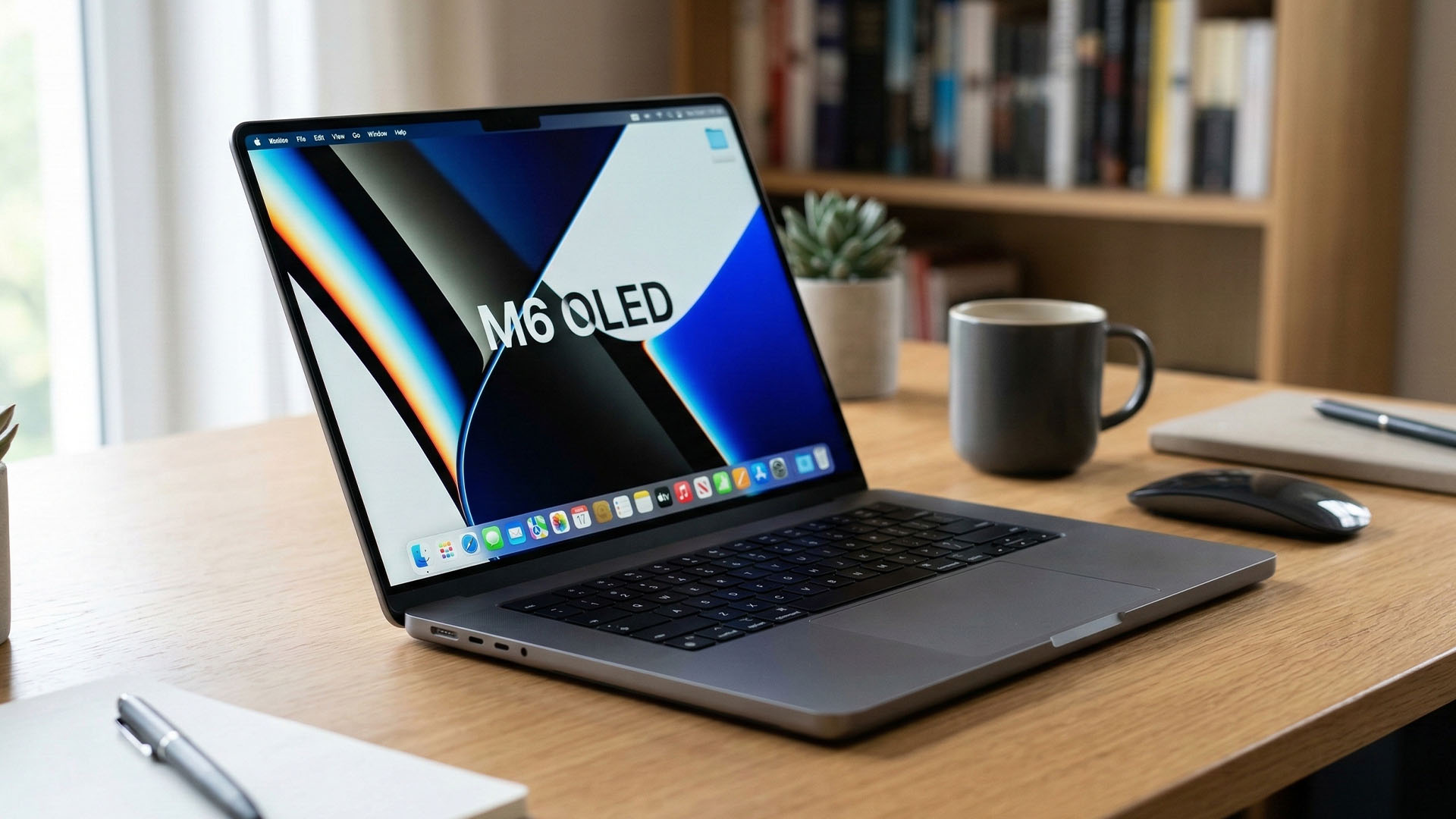
Apple has taken a bold step forward in display privacy with its newest MacBook Pro models, M6 Pro and M6 Max, by adopting an under-screen camera system that removes the familiar notch. This innovation, typically associated with flagship smartphones, makes its debut on Apple’s premium laptops three years earlier than anticipated, signaling a potential shift in how secure screen interactions are handled across devices.
For developers, this change represents both an opportunity and a challenge. The absence of a physical notch means applications must now account for a different camera placement, which could impact how user interfaces are designed—especially for those relying on camera functionality or maximizing screen real estate. Early indications suggest no performance trade-offs, with the display maintaining its high resolution and brightness, but further testing will be needed to confirm long-term usability.
Why this matters now
The adoption of this technology by Apple highlights a growing trend in hardware design: prioritizing privacy without compromising functionality. While notched displays have become industry standard, the shift toward under-screen solutions could redefine expectations for both consumers and developers. The key consideration moving forward will be ensuring seamless integration that doesn’t sacrifice performance or user experience.
Key points
- Under-screen camera system eliminates the traditional notch on M6 Pro and M6 Max models.
- No reported degradation in display resolution or brightness, maintaining high-performance standards.
- Developers must adapt applications to account for new camera placement and screen real estate management.
The seamless integration of this feature suggests Apple has carefully optimized both hardware and software to avoid any drawbacks. However, the long-term impact on application development remains to be seen, particularly in environments where screen space is critical.
Looking ahead
This early adoption could accelerate a broader industry move away from notched designs, potentially influencing other manufacturers to explore similar solutions. For developers, the immediate priority will be updating workflows to accommodate under-screen camera functionality while ensuring compatibility across devices. The ripple effects of this change may extend beyond Apple’s ecosystem, shaping future hardware and software development in secure display interactions.
For end users, the practical takeaway is that this innovation could lead to more immersive and private screen experiences without sacrificing performance. However, developers will need to stay ahead of these changes to avoid compatibility issues or compromised functionality in their applications.