A new wave of Thunderbolt 5 storage solutions is set to transform how creators handle high-resolution data, offering bandwidth that could drastically cut transfer times while supporting emerging AI-driven workflows.
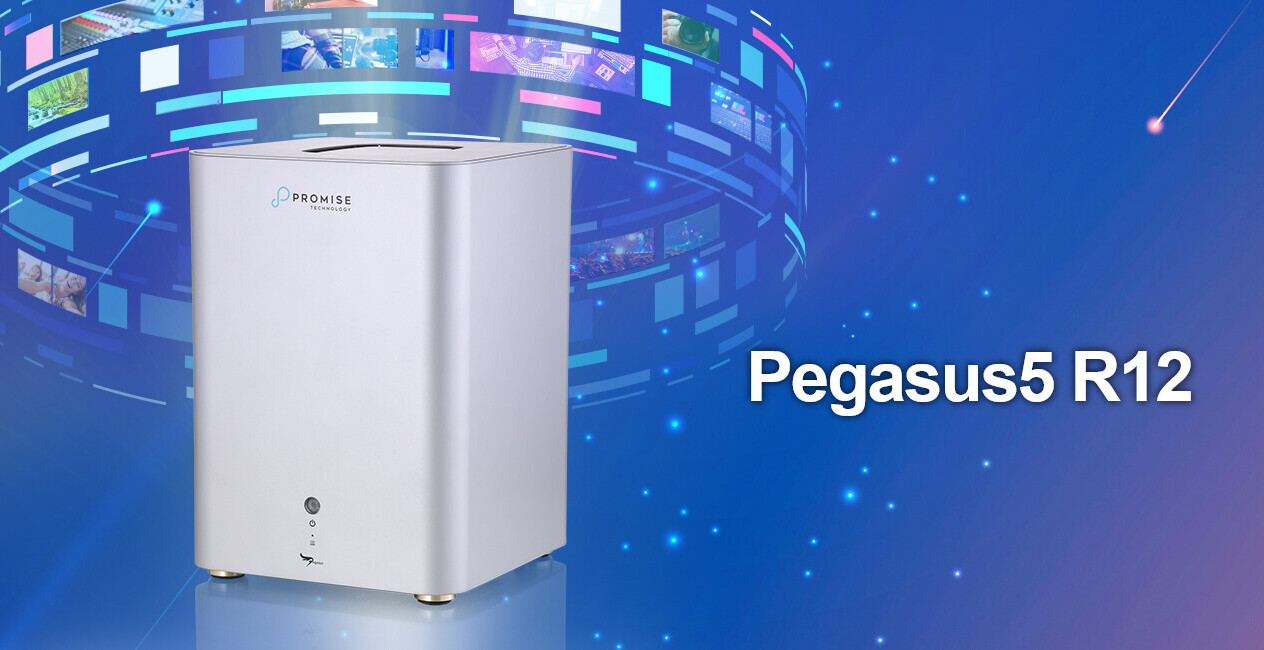
The latest Pegasus5 R12 series, showcased at an industry event, introduces a range of devices designed to meet the growing demands of ultra-high-resolution formats and AI acceleration. These solutions leverage Thunderbolt 5's 80 Gbps bidirectional bandwidth, addressing a critical bottleneck for professionals working with 4K to 8K content or integrating AI tools into their workflows.
What sets these devices apart is not just raw speed but also intelligent features tailored for AI workloads. Predictive optimization and anomaly detection are built in, aiming to streamline data management for tasks like video indexing, subtitle generation, and real-time collaboration. This represents a shift toward storage systems that do more than just move data quickly—they actively enhance productivity through smart functionality.
Performance with purpose
The Pegasus5 R12 Pro, for example, delivers approximately 6,000 MB/s when paired with Apple Mac systems running macOS Tahoe. This performance is specifically optimized for Final Cut Pro, allowing editors to work seamlessly with internal NVMe scratch drives without sacrificing speed or quality.
On the Windows side, the Pegasus5 R12 integrates with HP Fury G1i and Adobe Premiere, offering GPU-accelerated editing alongside a proprietary plugin that enhances workflow efficiency. Meanwhile, the compact Pegasus5 M8 brings multi-GB/s speeds to mobile setups like MacBooks, making it ideal for on-the-go creators using AI plugins in DaVinci Resolve or Adobe Premiere.
For those needing even more compact solutions, the Pegasus5 N4 provides 4× NVMe performance over Thunderbolt 5, catering to mobile and on-location editing scenarios where space is limited but performance demands remain high. These devices are designed to bridge the gap between portability and power, addressing a growing need for flexible yet capable storage in AI-driven environments.
Beyond single workstations
The new generation also extends beyond individual workstations, with solutions like the VTrak 8206 and Vess A8340 targeting enterprise-level AI training and inference. The VTrak 8206, for instance, offers low-latency, scalable NVMe-oF shared storage that supports both 8K editing and AI workloads while remaining app-agnostic—meaning it can integrate seamlessly into existing software ecosystems without requiring proprietary tools.
The Vess A8340 takes this a step further by combining Intel Xeon 6 processors with multi-GPU configurations, adding onboard AI capabilities for tasks like video indexing and subtitle generation. This hybrid approach is aimed at streaming and VOD platforms, where rapid content processing can significantly impact production pipelines.
While these advancements are promising, the transition to Thunderbolt 5 storage introduces practical considerations for small businesses and freelancers. Platform lock-in remains a concern, as some features—like predictive optimization—may rely on specific hardware or software ecosystems. Additionally, the cost of upgrading to Thunderbolt 5-ready systems could be prohibitive for those operating on tight budgets, though industry observers suggest that prices may stabilize as adoption grows.
What is confirmed is the potential for these devices to redefine how creators interact with data, particularly in AI-driven workflows. The focus on performance-per-watt and thermal efficiency also hints at a broader trend toward more sustainable and energy-conscious hardware. However, whether this will translate into widespread industry adoption or remain confined to high-end studios remains an open question.