Game development has long been a field where skill, creativity, and technical precision intersect. The introduction of AI tools promises to reshape this landscape, but the question remains: how much do these advancements truly improve workflow efficiency? A closer look at recent developments suggests that while AI can significantly enhance productivity for strong developers, it does little to compensate for weak foundations or outdated practices.
At its core, the shift is about more than just automation. It’s about redefining what it means to be efficient in game development. Traditional metrics—like frame rates, asset sizes, and build times—are being supplemented by new benchmarks that measure how AI can streamline repetitive tasks without sacrificing quality. For instance, a 20% reduction in texture optimization time might sound modest on paper, but when scaled across an entire project, it translates to substantial cost savings and faster iteration cycles.
One of the most notable changes is in the way AI handles asset generation. Previously, developers would spend hours manually crafting textures or environments, a process that was both time-consuming and prone to inconsistencies. Now, AI tools can generate high-quality assets in a fraction of the time, provided they are given clear guidelines. This doesn’t mean the end of manual work—far from it—but it does mean that skilled developers can focus more on creative direction while letting AI handle the grunt work.
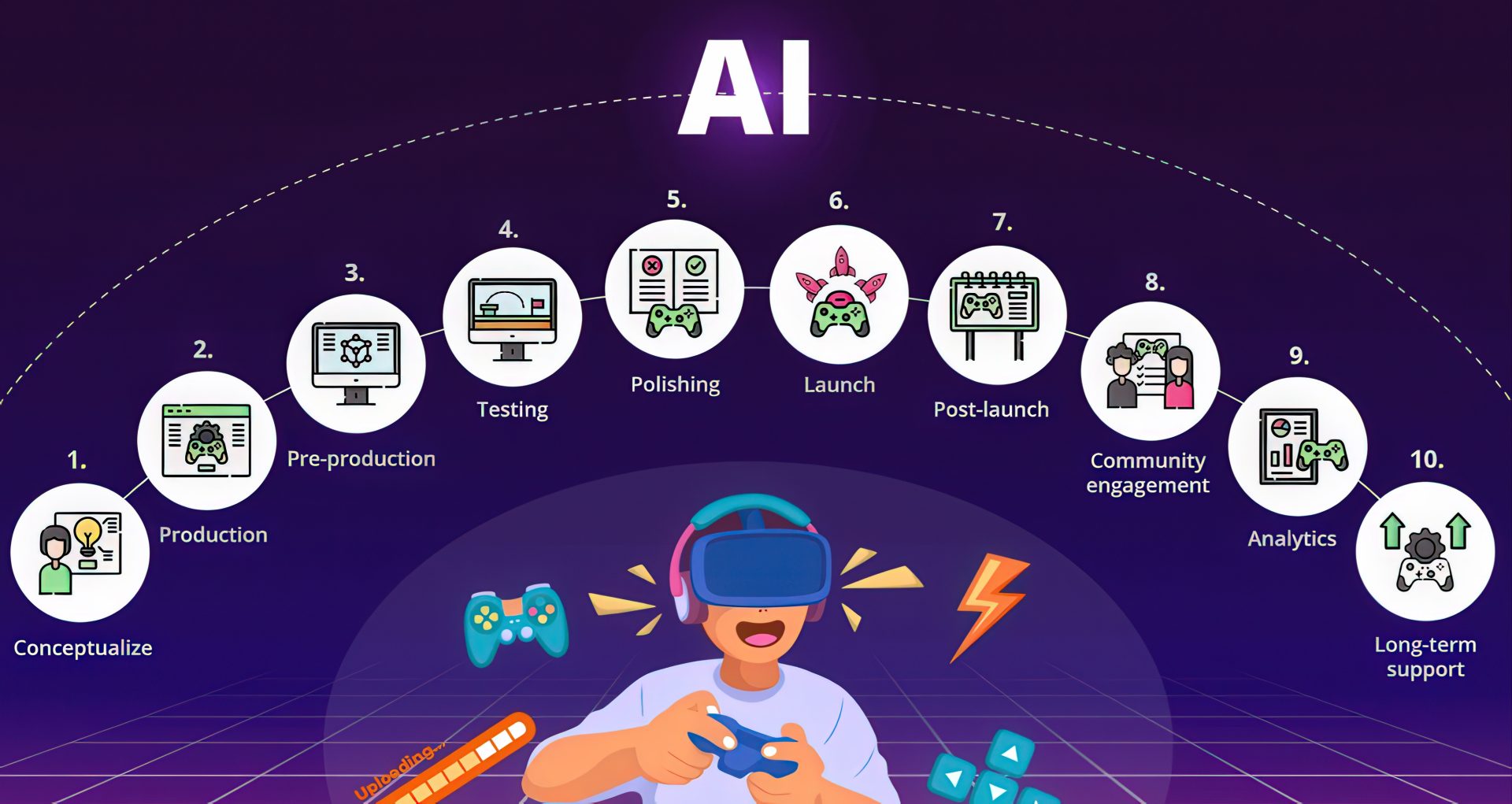
However, the benefits are not universal. AI tools are only as good as the data and practices they’re built upon. A developer with poor coding habits or inefficient workflows will see minimal improvement, no matter how advanced the AI. This is where the real challenge lies: integrating AI without overhauling existing processes that lack a solid foundation. The result? A tool that can amplify strengths but does little to fix weaknesses.
For IT teams, this means a strategic approach is needed. Investing in AI tools is only part of the equation; ensuring that developers are using them effectively is the other half. This requires training, process overhauls, and a willingness to adapt workflows to leverage AI’s full potential. The cost savings come not just from the software itself but from the operational changes that make it worthwhile.
Ultimately, the message is clear: AI in game development is not a magic fix for inefficiency. It’s a force multiplier for those who already excel, while leaving behind those who rely on outdated methods. The question isn’t whether AI will save bad developers—it’s whether good ones can use it to become even better.