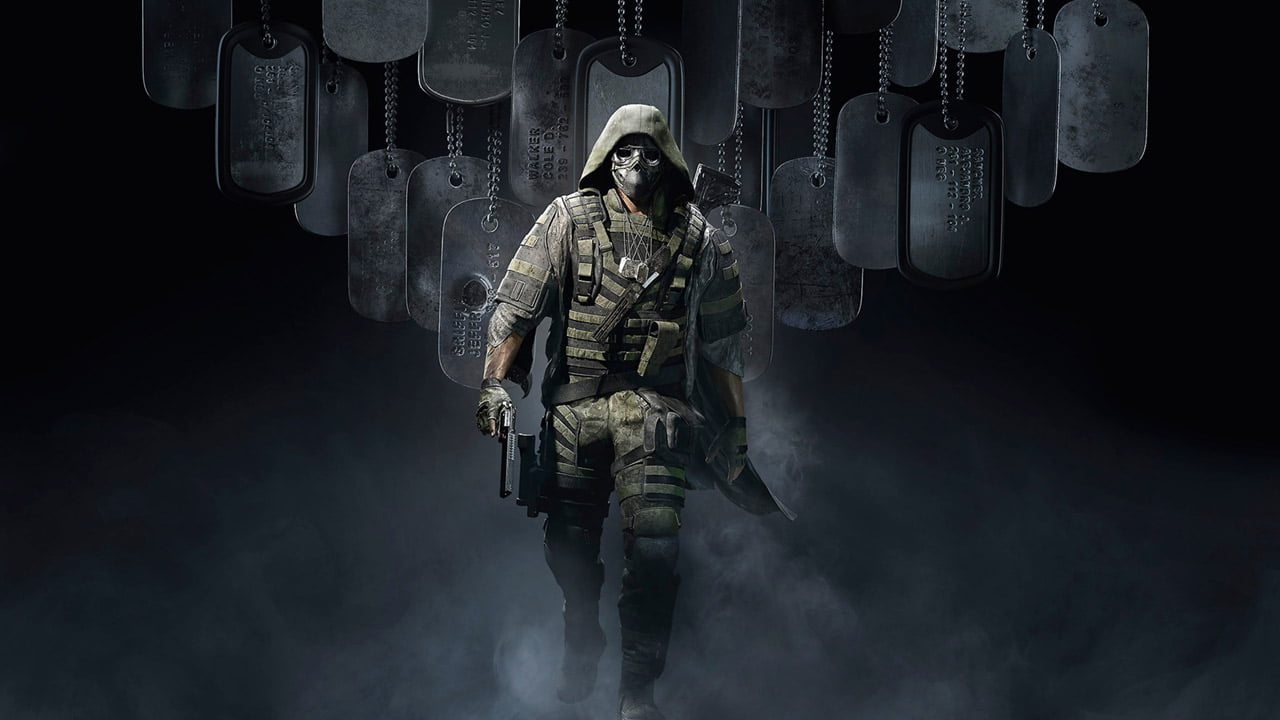
Ubisoft’s latest moves reveal a publisher at a crossroads. Two unannounced Far Cry titles are in development, a deliberate return to the franchise’s core identity after years of narrative experimentation. The projects, likely led by Vantage Studios, suggest a focus on expansive world design and political storytelling—hallmarks of the series since its inception. Yet the absence of multiplayer components in recent entries raises questions about whether Ubisoft will now prioritize competitive or cooperative modes, or stick to single-player depth.
Assassin’s Creed faces an even more radical transformation. The franchise’s 30 million active players provide a massive foundation, but Ubisoft’s push into live-service gaming is untested terrain. The upcoming Black Flag remake serves as a proving ground, offering a refined single-player experience while quietly assessing player retention strategies. If successful, it could lay the groundwork for a persistent online world—but history warns of pitfalls. *Unity*’s botched multiplayer launch remains a cautionary tale, and Ubisoft’s past missteps in live-service games have left developers skeptical.
The restructuring driving these shifts is brutal. A €200 million cost-cutting drive has already slashed 40 roles in Toronto alone, with more cuts expected across studios. Ubisoft’s new creative houses—each dedicated to a single IP—aim to sharpen focus, but the rapid consolidation has disrupted workflows. Internal concerns suggest morale is fragile, with fears that financial pressure could stifle creativity. CEO Yves Guillemot has framed the changes as necessary for long-term stability, yet the tension between profitability and innovation is palpable.
The stakes are clear: Far Cry’s revival could redefine Ubisoft’s open-world ambitions, while Assassin’s Creed’s multiplayer experiment could either rejuvenate the franchise or become another cautionary tale. Without clear roadmaps, the only certainty is that Ubisoft’s survival now depends on whether its legacy IPs can adapt—or if the publisher’s cost-saving measures will come at the cost of its creative legacy.