NVIDIA’s latest GPU lineup—RTX 5090, RTX 5070, and RTX 5060—is being squeezed by a sudden spike in DRAM prices, particularly for memory modules under 4 GB. The surge, driven by supply constraints and order shifts, could force gamers to reconsider how they balance performance against cost in their next build.
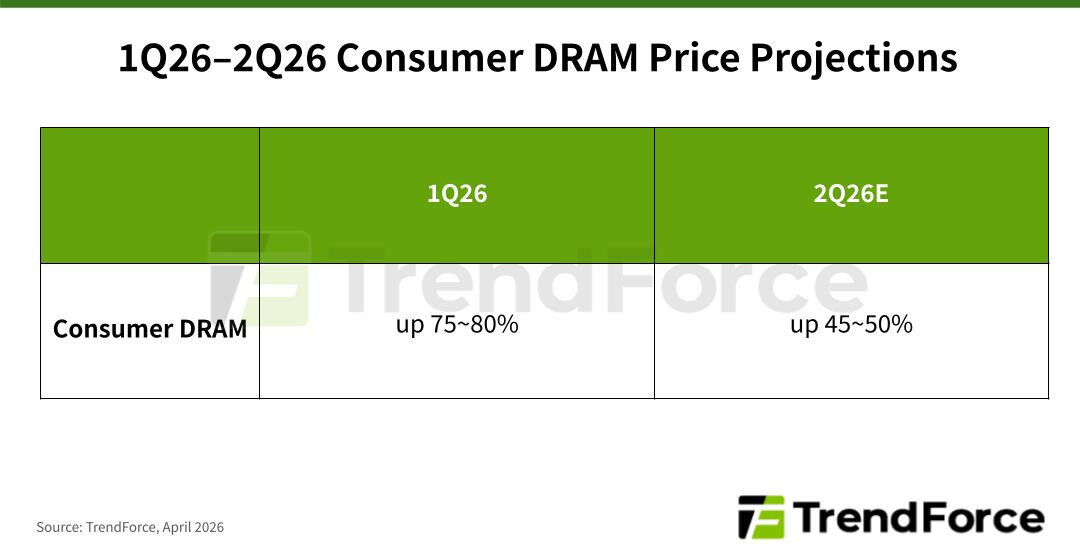
At the heart of the issue is the dwindling production of mature DDR4 chips, which are critical for GPUs that rely on GDDR6 or DDR4 memory. While higher-density products saw modest price increases, sub-4 GB DDR4 modules jumped over 20% in March alone. This trend is expected to accelerate through the second quarter, with contract prices rising another 45–50%, according to industry forecasts.
The impact isn’t just on pricing—it’s also reshaping availability. Taiwanese suppliers, which dominate DRAM production, have already begun redirecting capacity from legacy DDR3 and DDR2 toward DDR4 to meet demand. But with that demand now spilling over into older standards, the squeeze is tightening further. For gamers, this means fewer options for high-capacity modules at stable prices, especially as NVIDIA’s flagship models like the RTX 5090 push the boundaries of what a single GPU can handle.
Key specs and tradeoffs
- Memory type: GDDR6 (RTX 5090, RTX 5070) / DDR4 (RTX 5060)
- Capacity: 16 GB (RTX 5090), 8 GB (RTX 5070, RTX 5060)
- Price impact: Sub-4 GB DDR4 modules up 20%+ MoM; contract prices expected to rise 45–50% in 2Q26
A gamer upgrading from an RTX 3070 would notice the shift immediately—not just in sticker price, but in the way memory allocation affects performance. The RTX 5090, for example, demands more bandwidth than ever before, but if DRAM costs keep climbing, that efficiency could come at a premium. Meanwhile, the RTX 5060, already positioned as an entry-level option, may see its price edge erode unless NVIDIA can secure stable supplies.
Looking ahead, South Korean suppliers—who typically command higher average selling prices—are expected to adjust more cautiously than their Taiwanese counterparts. But with transaction gaps narrowing due to constrained capacity, the pressure on NVIDIA’s partners and retailers will only grow. For now, gamers eyeing a 2026 build should watch this space closely; the memory crunch isn’t just about cost—it’s about what gets cut from the lineup when supplies tighten.