Unreal Engine 5 is undergoing a transformation that could redefine how games are developed for low-power devices, with a particular focus on the Steam Deck. Epic Games' latest optimizations promise to deliver high-end visuals on systems with limited resources, addressing a key pain point for developers who have historically been constrained by hardware limitations.
This isn't just about squeezing more performance out of weaker hardware—it's about rethinking how Unreal Engine 5 functions at its core. The engine has long been synonymous with cutting-edge graphics, but those capabilities often came with a steep requirement for high-end GPUs and ample RAM. Now, Epic is refocusing on computational efficiency without sacrificing the visual quality that developers and players expect. This shift could open the door for more games to run smoothly on mid-range laptops, budget desktops, or even handheld devices like the Steam Deck, all while maintaining the engine's signature features.
Efficiency Meets Visual Fidelity
- Optimized memory usage to reduce overhead on low-end hardware (4GB+ RAM, integrated GPUs).
- Improved GPU utilization for smoother gameplay and reduced thermal throttling on the Steam Deck.
- Memory-efficient rendering to extend battery life on portable devices without compromising visual quality.
The optimizations are designed to tackle one of the most persistent challenges in game development: balancing high-end graphics with real-world hardware constraints. Benchmarks suggest that even systems with 8GB of RAM or integrated graphics can now handle complex scenes more efficiently, a significant leap from previous iterations. This could be particularly impactful for indie developers who often work within tight budgetary and technical limitations.
A Broader Ecosystem Shift
This move reflects a growing trend in the industry, where the distinction between high-end and low-end hardware is becoming less defined. As handheld gaming devices like the Steam Deck gain traction, there's increasing demand for tools that can deliver polished experiences without demanding top-tier specifications. Epic Games appears to be answering that call by positioning Unreal Engine 5 as a versatile engine capable of scaling across a wide range of devices—from high-refresh-rate monitors to portable consoles.
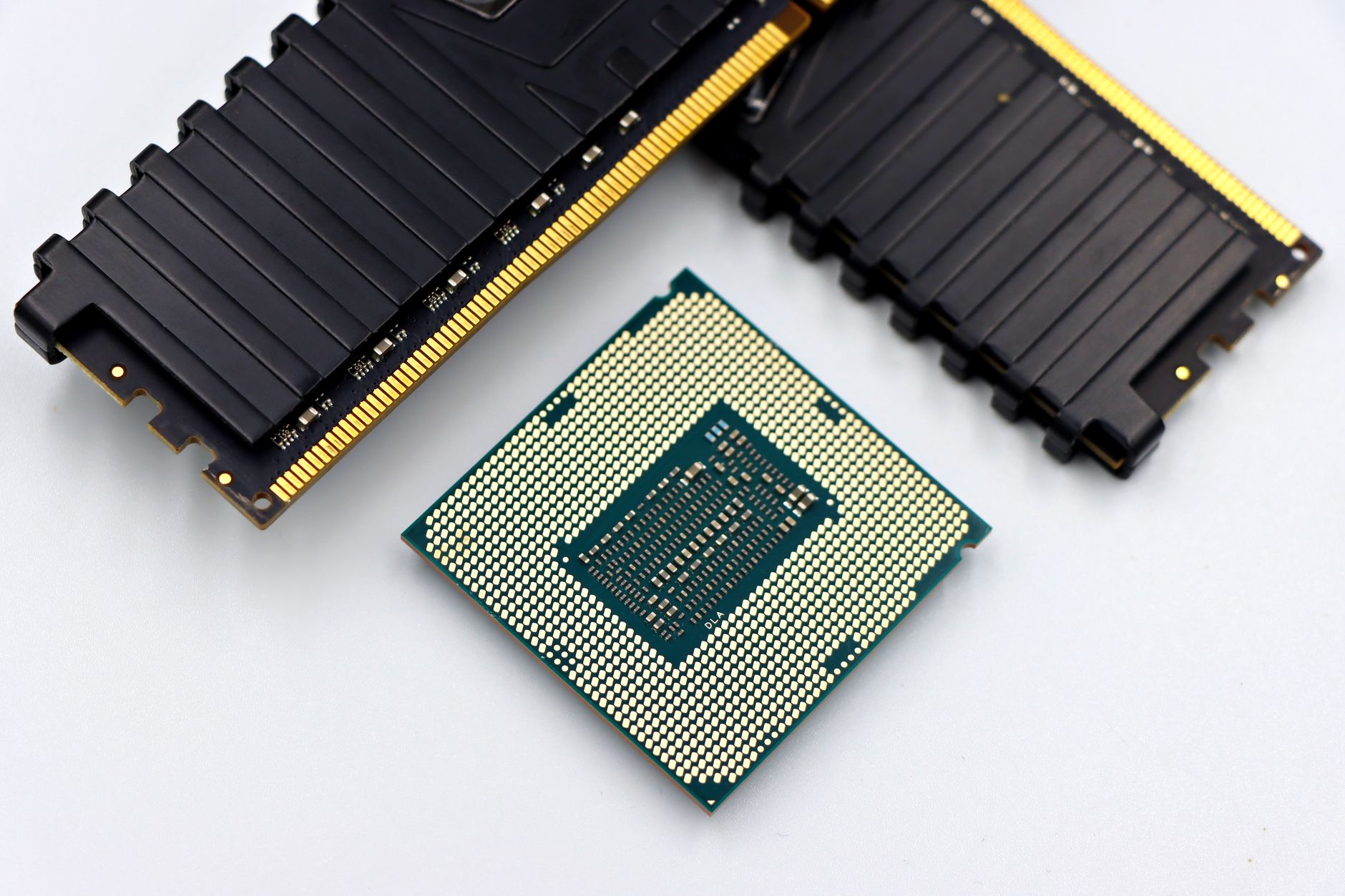
For developers, this represents a rare opportunity: the ability to create visually stunning games without being locked into expensive hardware. Previously, achieving Unreal Engine 5's level of graphical fidelity often required mid-range or high-end GPUs, which could limit market reach and increase costs for smaller studios. With these optimizations, that barrier is being lowered, potentially allowing more developers to experiment with advanced visuals without the usual trade-offs.
The implications extend beyond just performance, though. By making Unreal Engine 5 more accessible on low-power devices, Epic Games is also encouraging a more diverse range of games to emerge. Handheld gaming, in particular, has historically faced constraints that forced developers to compromise between visual quality and playability. With these changes, the balance is shifting toward accessibility—without diluting the engine's core strengths.
Looking Ahead
The impact of this update could be far-reaching, potentially reshaping how games are built and distributed in the coming years. For players, it means more opportunities to experience high-fidelity graphics on hardware they already own, whether that's a budget laptop or a handheld device like the Steam Deck. For developers, it’s a step toward greater flexibility, allowing them to push creative boundaries without being constrained by performance limitations.
The ecosystem as a whole stands to benefit from this adaptation. When tools like Unreal Engine 5 evolve to meet real-world constraints, they enable more innovation and diversity in game development. This isn't just about making games run smoother on weaker hardware—it's about unlocking new possibilities for storytelling, design, and player experience.
As the industry continues to grapple with the challenges of hardware diversity, this update serves as a reminder that performance doesn’t have to come at the cost of quality. It’s a strategic move that could set a new standard for how engines are designed to work across the spectrum of devices, from high-end PCs to portable gaming platforms.