The ASUS ROG Equalizer Cable is built for one purpose: delivering consistent power to GPUs under prolonged overclocking. Priced at $50, it’s aimed at users with high-wattage setups, whether single-GPU or multi-card configurations where voltage stability is critical. Yet, its passive cooling design introduces a fundamental trade-off—while it shields against heat, it also traps it, turning the cable into a performance bottleneck when pushed to its limits.
- Design: Thick braided copper conductors with reinforced insulation, engineered for 16-pin PCIe connectors.
- Power Capacity: Supports up to 750W per cable, suitable for demanding multi-GPU or heavily overclocked single-GPU systems.
- Cooling Mechanism: Relies entirely on passive heat dissipation through its braided structure and insulation—no active cooling components are included.
- Price: $50, positioning it as a high-end accessory for enthusiast builds.
The cable’s primary advantage is its ability to maintain stable voltage under extreme conditions. In benchmarks, it outperforms standard cables by preventing sudden power surges that could damage GPUs operating beyond factory specifications. However, this stability comes with a catch: the insulation that protects also restricts heat from escaping, creating a thermal feedback loop where the cable’s own temperature rise undermines its performance.
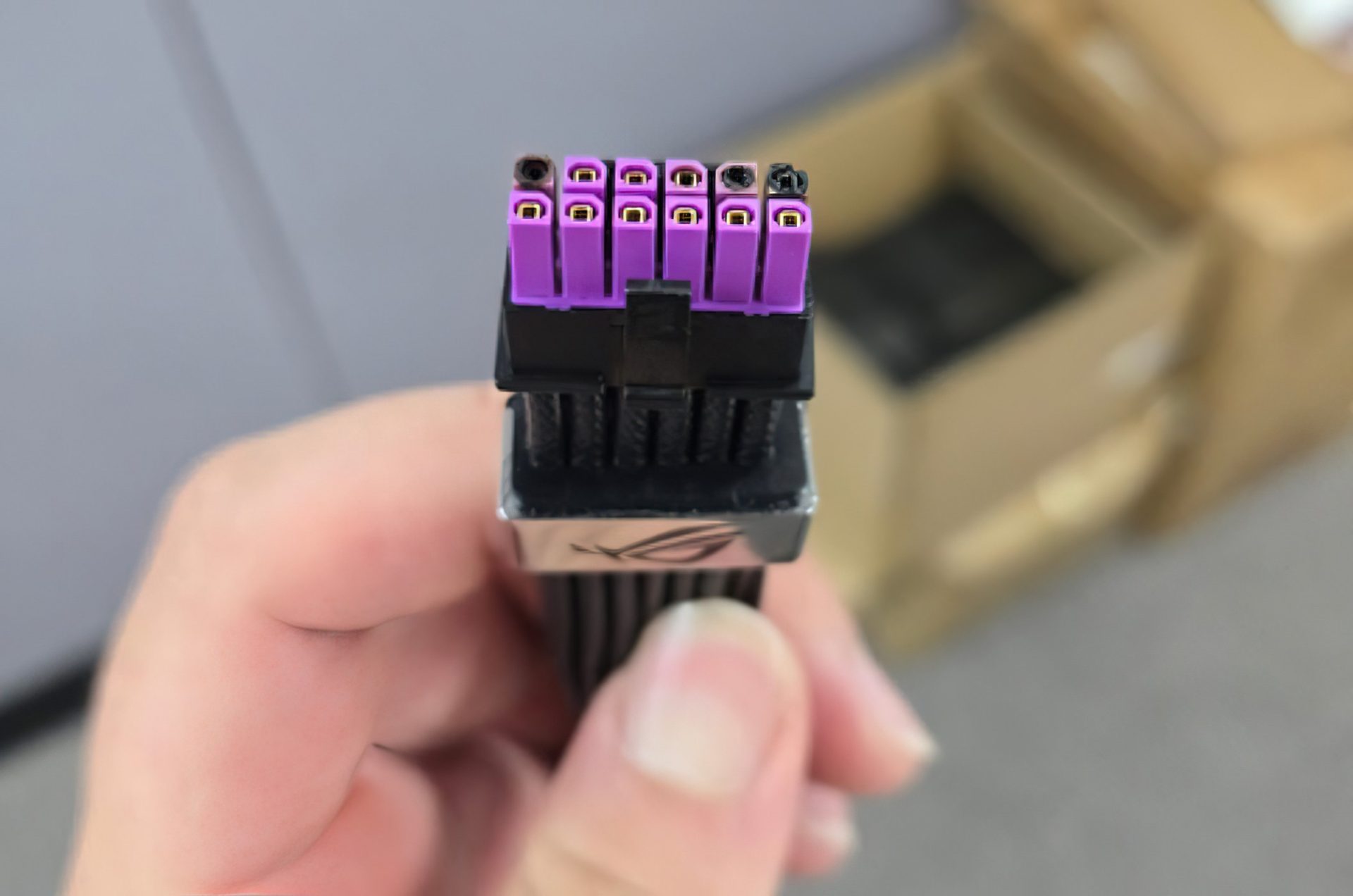
For users who depend on sustained overclocking or multi-GPU setups, this reveals the inherent limitations of passive cooling solutions. The Equalizer Cable extends what’s possible, but it doesn’t eliminate physical constraints. The challenge isn’t whether the cable will fail—it’s how much performance can be extracted before the hardware itself becomes the weakest link.
Ultimately, the Equalizer Cable’s design reflects a broader truth in high-performance computing: pushing beyond designed limits tests not just the GPU, but every component in the system. Its $50 price tag underscores its role as a stabilizer for extreme workloads, but its passive cooling approach serves as a reminder that even premium accessories have breaking points—where performance per watt encounters an unyielding wall.