Valkyrie's latest cooling solutions are tailored for environments where sustained power draw and heat dissipation are critical, addressing the needs of high-performance computing without compromising on acoustic performance. The new lineup includes cases designed to handle components with thermal design power (TDP) ratings up to 255W, ensuring that even the most demanding builds can operate efficiently while maintaining low noise levels suitable for office or shared spaces.
The Titan full-tower case sets a new standard for high-end builds with its dual-glass construction and spacious interior measuring 420 x 285 x 410 mm. It supports Mini-ITX, microATX, and ATX motherboards, making it versatile enough to accommodate a wide range of configurations. The case is built to handle graphics cards up to 400 mm in length and CPU coolers reaching 165 mm in height, with radiator support extending up to 360 mm. This level of expandability is complemented by eight PCIe expansion slots and multiple drive bays, ensuring that even the most demanding builds have room for both performance and storage.
For those who prioritize a more compact footprint without sacrificing performance, the Fortress mid-tower case offers a blend of ABS and wood front panels, paired with a tool-less tempered glass side panel. Measuring 420 x 230 x 436 mm, it supports ATX, microATX, and Mini-ITX motherboards while still accommodating GPUs up to 380 mm long and CPU coolers up to 178 mm tall. The Fortress's design balances aesthetics with functionality, making it an attractive option for builds that require both power and style.
The Bastion case is tailored for smaller builds, supporting microATX and Mini-ITX motherboards in a chassis measuring 473 x 225 x 445 mm. Despite its compact size, it doesn't compromise on performance, offering support for GPUs up to 480 mm long and CPU coolers up to 170 mm tall. This case is ideal for users who need a high-performance system without the bulk of a full-tower design.
Cooling solutions in this lineup are equally impressive, with options that cater to both air and liquid cooling preferences. The Air Surge Twin dual-tower air cooler features six 6 mm heat pipes and two E12 120 mm fans capable of delivering up to 68 CFM airflow with a static pressure of 2.08 mm H₂O. It is rated for managing thermal loads up to 255W TDP while maintaining noise levels as low as 26 dBA, making it suitable for environments where acoustic performance is as important as cooling efficiency. The Air Surge Lite offers a more compact alternative with four heat pipes and a single BA12 120 mm fan, providing 68 CFM airflow at 1.68 mm H₂O static pressure and supporting up to 225W TDP.
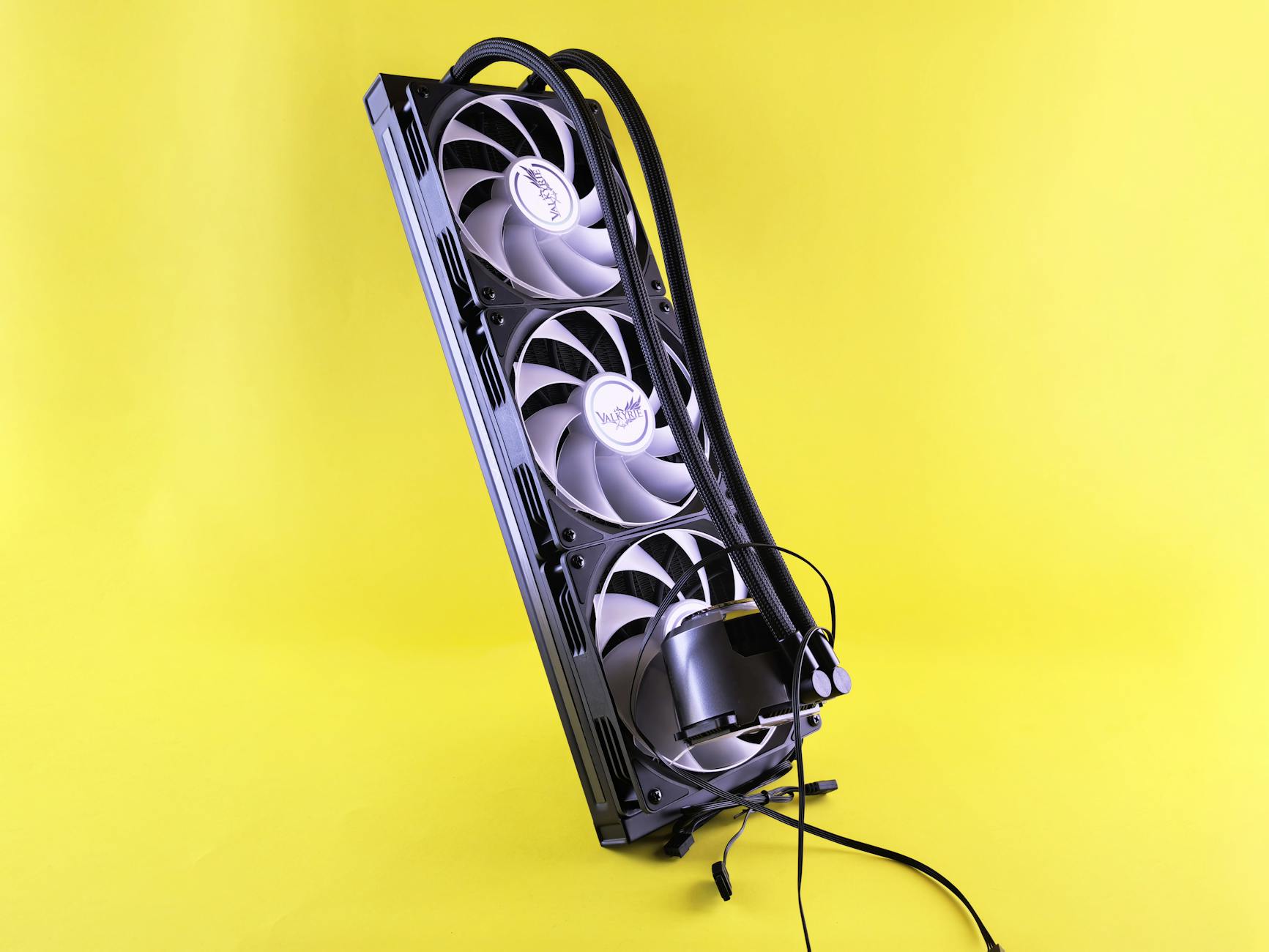
For users who prefer liquid cooling, the Liquid Enforcer 360 AIO cooler stands out with its three B12 GT fans delivering up to 101 CFM airflow at a static pressure of 6.32 mm H₂O. These fans operate between 1,700 and 2,800 RPM, ensuring optimal cooling performance while keeping noise levels below 40 dBA. The cooler also features a 3.95-inch IPS LCD display with a resolution of 480 x 480 at 60 Hz and brightness up to 600 nits, adding both functionality and customization options for enthusiasts.
Completing the lineup is the M1 Pro wireless gaming mouse, which combines high-performance tracking with extended battery life. The mouse is equipped with a PixArt PAW3950 VK AMG sensor capable of 750 IPS tracking and 50G acceleration, along with an adjustable 0.7 mm lift-off distance. It supports 8,000 Hz polling over 2.4 GHz wireless connections or Bluetooth 5.3, offering flexibility in connectivity options. The M1 Pro also boasts up to 120 hours of battery life, making it a reliable choice for long gaming sessions. It features a magnetic charging dock with RGB lighting and an integrated LCD display, adding both convenience and visual appeal.
- Titan (Full-Tower Chassis): Dimensions: 420 x 285 x 410 mm, dual-glass construction, supports Mini-ITX/microATX/ATX motherboards, GPUs up to 400 mm, CPU coolers up to 165 mm, radiators up to 360 mm.
- Fortress (Mid-Tower Chassis): Dimensions: 420 x 230 x 436 mm, ABS/wood front panel with tool-less tempered glass side panel, supports ATX/microATX/Mini-ITX motherboards, GPUs up to 380 mm, CPU coolers up to 178 mm.
- Bastion (MicroATX Chassis): Dimensions: 473 x 225 x 445 mm, supports microATX/Mini-ITX motherboards, GPUs up to 480 mm, CPU coolers up to 170 mm.
- Air Surge Twin (Dual-Tower Air Cooler): Six heat pipes, direct-contact HDT base, two E12 120 mm fans (68 CFM airflow, 2.08 mm H₂O static pressure), supports up to 255W TDP, noise levels down to 26 dBA.
- Air Surge Lite (Single-Tower Air Cooler): Four heat pipes, direct-contact HDT base, BA12 120 mm fan (68 CFM airflow, 1.68 mm H₂O static pressure), supports up to 225W TDP, noise levels down to 26 dBA.
- Liquid Enforcer 360 AIO Cooler: Three B12 GT fans (101 CFM airflow, 6.32 mm H₂O static pressure), operating range: 1,700–2,800 RPM pump speed, 3.95-inch IPS LCD display (480 x 480 resolution at 60 Hz, up to 600 nits brightness), noise levels down to 40 dBA.
- M1 Pro Wireless Gaming Mouse: PixArt PAW3950 VK AMG sensor (750 IPS tracking, 50G acceleration, 0.7 mm lift-off distance), supports 8,000 Hz polling over 2.4 GHz/Bluetooth 5.3/wired connections, up to 120 hours battery life, magnetic RGB charging dock with integrated LCD display.
While the Titan and Fortress cases cater to high-end builds with extensive radiator support, the Bastion offers a more compact alternative for smaller systems without compromising on performance. The air coolers in this lineup are designed for silent operation, making them ideal for office or shared spaces where noise is a concern. Meanwhile, the Liquid Enforcer's LCD display adds a layer of customization that appeals to enthusiasts who value both aesthetics and functionality.
The M1 Pro mouse stands out with its high polling rate and Bluetooth 5.3 support, offering flexibility in connectivity while maintaining long battery life. However, its availability in black and white variants at €69.90 suggests a focus on performance over color options. The full lineup reflects Valkyrie's emphasis on thermal efficiency and connectivity, but questions remain about pricing and global availability.
As AI workloads continue to push power limits, these components may see increased adoption in high-performance computing scenarios. However, their suitability for mainstream gaming or productivity builds remains to be tested, leaving room for further exploration of their performance tradeoffs and real-world efficiency under varied loads.