IT departments are facing an unexpected twist in their Windows 11 rollout plans after discovering that faulty drivers have been silently draining laptop batteries for years. The issue, now acknowledged by Microsoft, suggests that some hardware configurations may not be as future-proof as previously assumed.
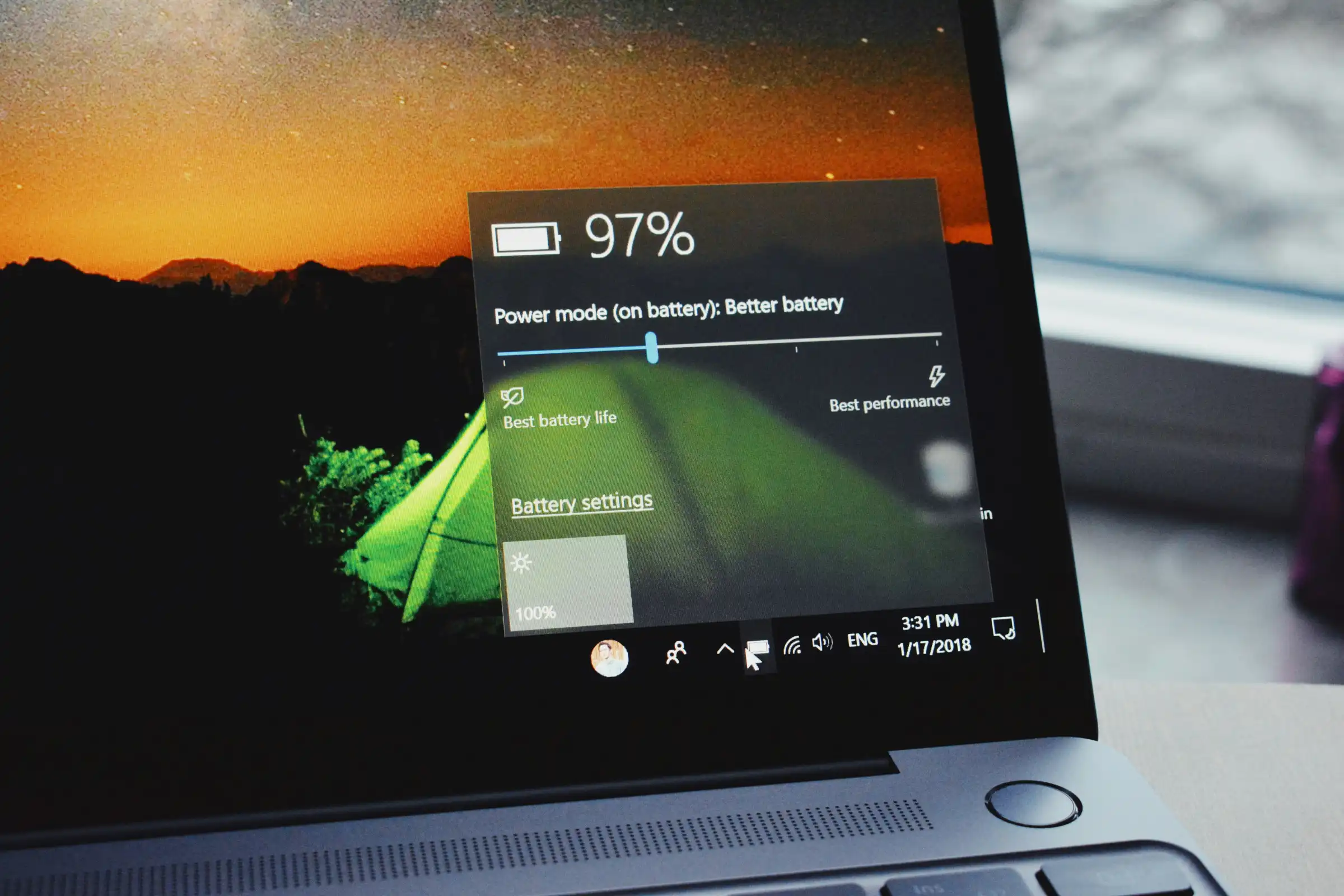
The problem centers on specific driver updates pushed out with recent Windows 11 releases. These updates, designed to improve performance and security, have instead triggered excessive background activity in certain systems, leading to battery life that can drop by up to 30% in a single day. The effect is particularly noticeable in business laptops equipped with newer Intel processors, where the issue has persisted despite multiple patches.
What makes this development significant for IT teams is the realization that hardware compatibility isn't just about hardware specs—it's also about how well the operating system's drivers interact with those specs over time. A laptop that performed well under Windows 10 might suddenly show signs of strain when moved to Windows 11, even if its RAM and storage meet or exceed Microsoft's minimum requirements.
Microsoft has confirmed the issue affects a subset of devices running Windows 11, version 23H2. The company is working on a fix, but the timing remains unclear. In the meantime, IT administrators are advised to monitor battery performance closely after upgrades and consider delaying deployments if the problem persists in their environment.
The question now isn't just about whether Windows 11 is ready for prime time—it's whether the ecosystem around it, including drivers and hardware partnerships, can keep pace with Microsoft's aggressive update cycle. For businesses that rely on mobile workers, this could mean rethinking not only when to upgrade but also which devices to standardize on.
- Impacted systems: Business laptops with Intel processors, particularly those running Windows 11 version 23H2.
- Symptoms: Battery life reduced by up to 30% in a single day; excessive background activity.
- Microsoft's response: Acknowledged the issue but no firm timeline for a fix.
- Recommendation: IT teams should monitor battery performance post-upgrade and delay deployments if necessary.
For now, the status quo remains: Windows 11 is here, but its real-world performance—and the stability of the devices running it—is still being tested. Buyers need to weigh the benefits against these hidden costs before committing to large-scale upgrades.