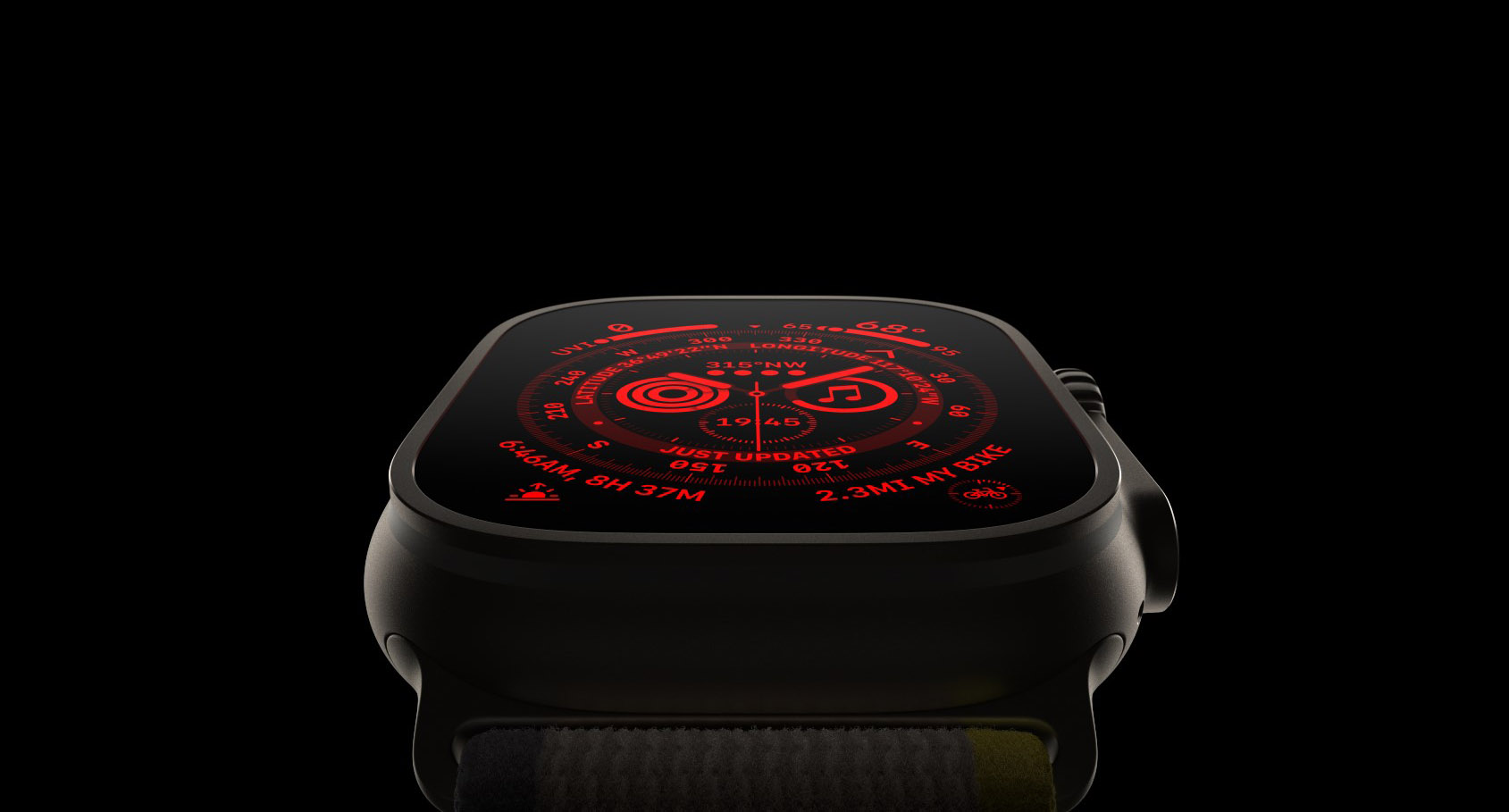
Apple’s 2026 hardware strategy is taking shape with a series of ultra-class devices that push the boundaries of what consumers expect from technology. At the heart of this lineup is the Apple Watch Ultra 4, which introduces a major redesign aimed at enhancing both performance and durability. This isn’t just an incremental update; it’s a statement about how wearable technology can evolve to meet the demands of more strenuous activities and professional workloads.
The Apple Watch Ultra 4 is not alone in this push for innovation. It joins the iPhone Ultra, MacBook Ultra, and camera-equipped AirPods Pro, all designed with a focus on delivering unparalleled efficiency and user experience. The combination of these devices suggests a coordinated effort to set new benchmarks across multiple product categories.
Key Specifications
- Apple Watch Ultra 4:
- Major redesign with enhanced durability and performance.
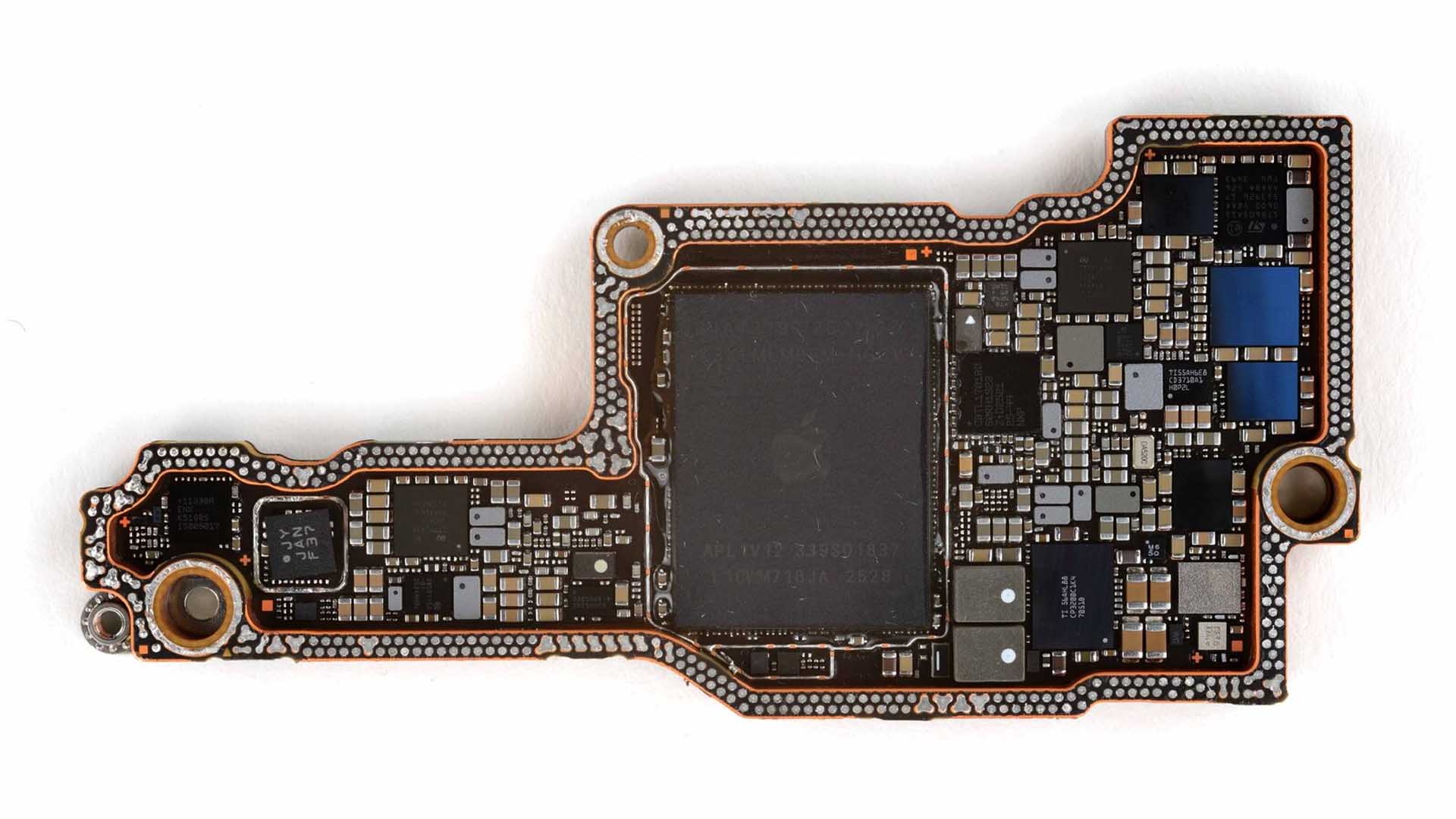
- Advanced chipset optimized for both fitness tracking and professional applications.
- Improved battery life, making it suitable for extended use without frequent charging.
- iPhone Ultra:
- Next-generation chipset delivering significant performance improvements over previous models.
- Enhanced display technology with higher brightness and better color accuracy.
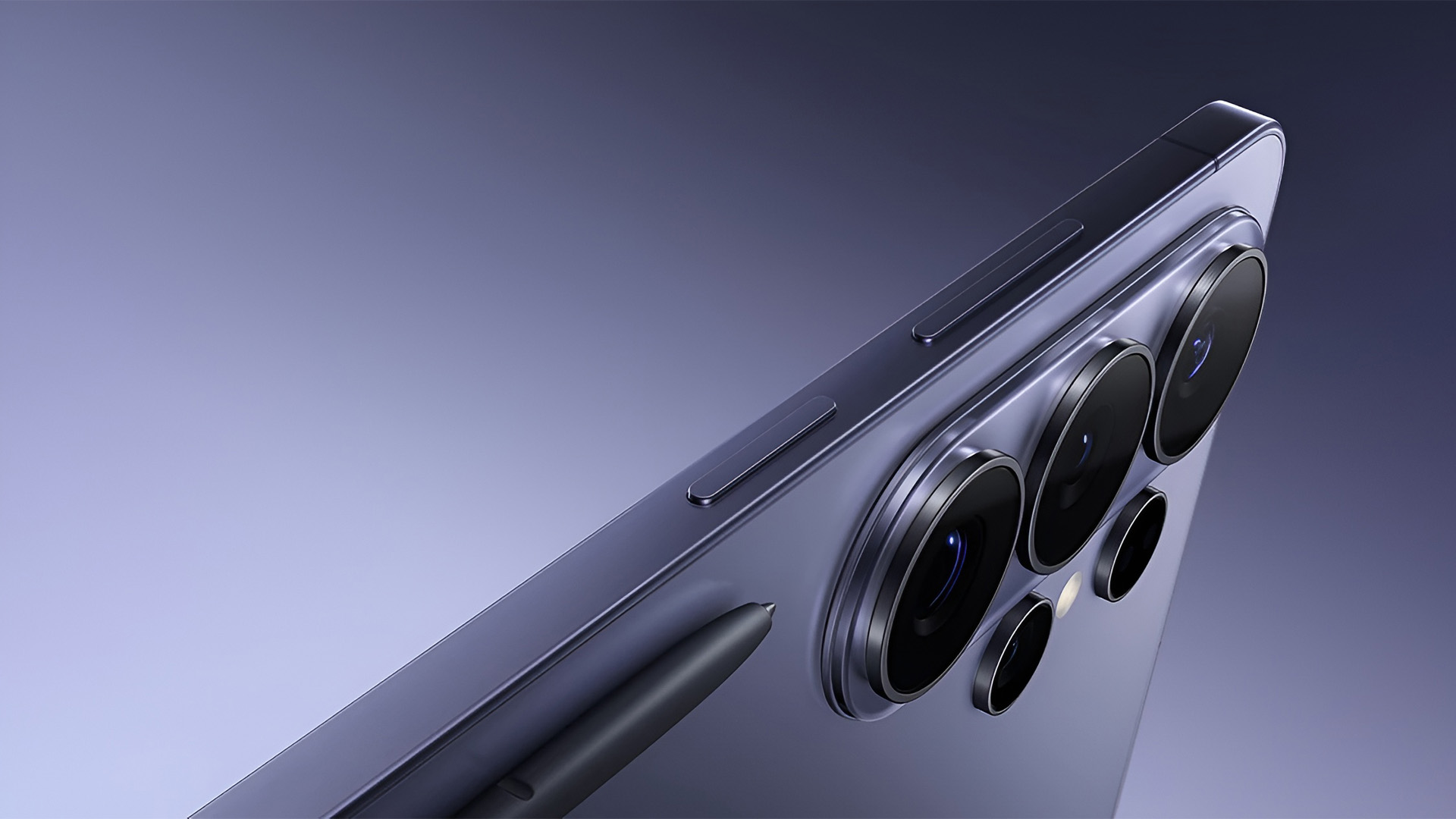
- Advanced camera system with improved low-light performance and computational photography features.
- MacBook Ultra:
- Powerful chipset designed for demanding tasks such as video editing, 3D rendering, and machine learning.
- Thin and lightweight design without compromising on performance or battery life.
- AirPods Pro with Camera:
- Integrated camera for capturing photos and videos directly from the earbuds.
- Improved noise cancellation and spatial audio for a more immersive experience.
The specifications alone hint at a significant leap forward. The Apple Watch Ultra 4, for instance, is designed to handle more than just fitness tracking. Its enhanced durability and performance suggest it’s built for professionals who rely on their wearables for both work and leisure. Similarly, the iPhone Ultra’s advanced camera system and display technology promise to set a new standard for mobile photography and video recording.
Why It Matters
The 2026 Apple lineup is more than just a collection of high-end devices; it represents a shift in how Apple approaches hardware design and functionality. The focus on efficiency, durability, and user experience is evident across all products, from the Apple Watch to the MacBook Ultra. This coordinated effort aims to provide users with seamless integration between devices, enhancing productivity and convenience.
For everyday buyers, this means a more cohesive ecosystem where each device complements the others. The camera-equipped AirPods Pro, for example, could revolutionize how users capture moments on the go, while the MacBook Ultra’s powerful chipset ensures that professionals can tackle demanding tasks without compromise. The Apple Watch Ultra 4, with its major redesign, is particularly notable for those who rely on their wearables for both fitness and professional applications.
What to Watch Next
The 2026 lineup promises to be a significant milestone in Apple’s hardware evolution. While the specifications are impressive, the real impact will be seen in how these devices integrate into users’ daily workflows. The focus on efficiency and durability suggests that Apple is aiming to address real-world needs, rather than just chasing performance metrics.
One area to watch is the battery life of these devices. Enhanced battery life can significantly improve user experience, especially for those who rely on their devices throughout the day. Additionally, the integration of advanced camera systems across multiple products could set new standards for mobile photography and video recording. The MacBook Ultra’s powerful chipset also raises questions about how Apple will balance performance with thermal management to ensure sustained performance without overheating.
As the lineup takes shape, it’s clear that Apple is committed to pushing the boundaries of what’s possible in hardware design. Whether this translates into a seamless user experience remains to be seen, but one thing is certain: these devices are poised to redefine what consumers expect from technology.