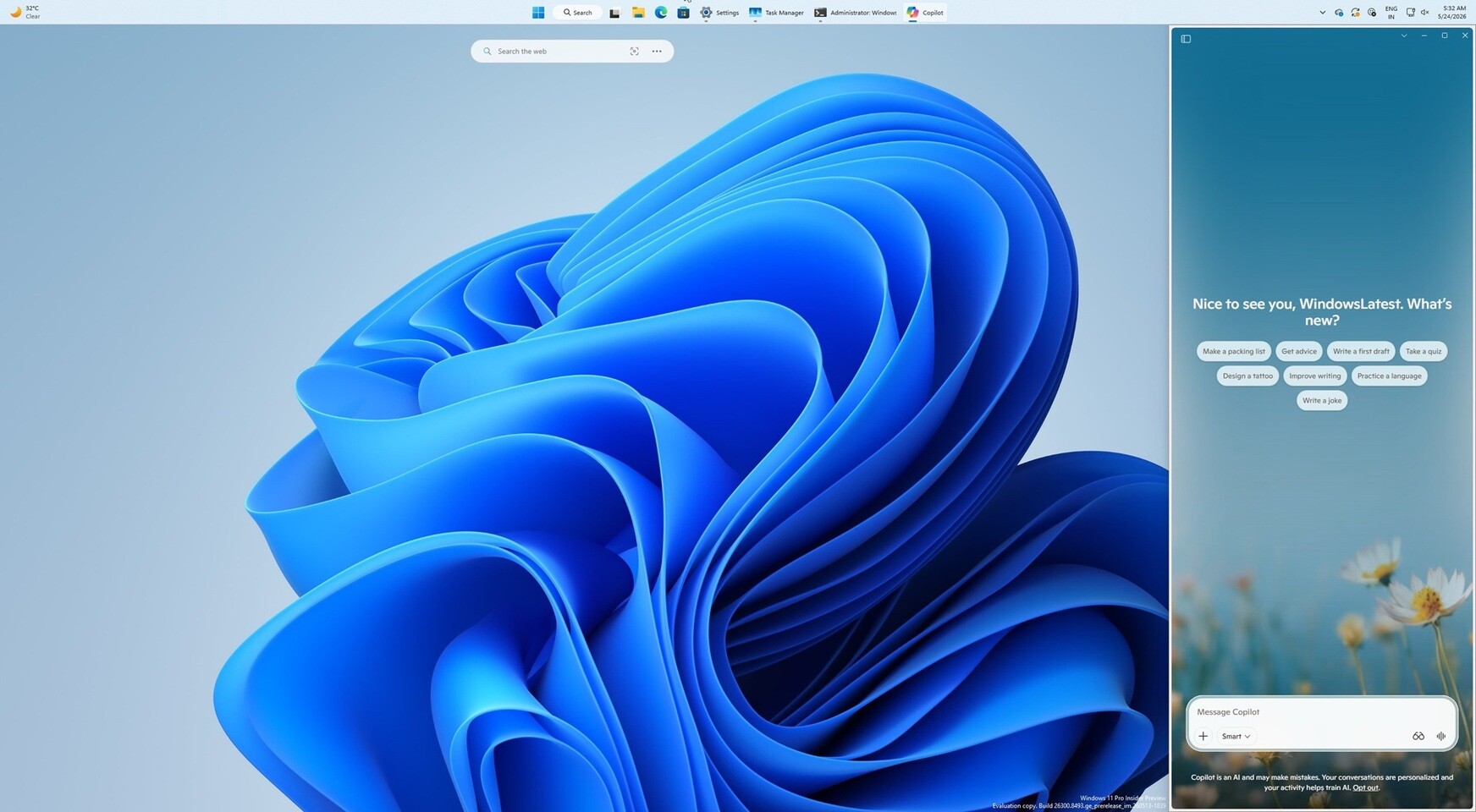
Windows 11 is getting a new way to interact with Microsoft's Copilot AI—one that blurs the line between productivity tool and system feature. Starting with the upcoming Windows 11 2025 Update, Copilot will no longer be an optional app but a built-in sidebar, always visible on the taskbar. For users who rely on AI to draft emails or summarize documents, this shift could feel like a natural evolution. But for organizations managing costs and IT policies, it raises fresh questions about how this integration will affect licensing and deployment.
From Optional to Essential
The 2025 Update marks the first time Copilot becomes a core part of Windows rather than an add-on. Previously, users had to install it separately, often through Microsoft 365 subscriptions. Now, it's baked into the OS, meaning every Windows 11 machine will have access—though whether that includes standalone AI features or requires additional services remains unclear.
What’s Changing for Users?
- Always-on Access: The sidebar will persist across sessions, similar to how the taskbar itself behaves. This could make AI-driven tasks feel more intuitive, but it also means users won’t be able to disable it without tweaking system settings.
- Integration Depth: Early reports suggest deeper ties to File Explorer and Microsoft 365 apps, potentially allowing Copilot to analyze local files or sync with cloud-based documents in real time. However, whether this extends to non-Microsoft applications is still unconfirmed.
The biggest unknown isn’t the feature set—it’s how Microsoft will monetize it. If Copilot requires a separate subscription for full functionality, businesses may face unexpected costs during upgrade cycles. The company hasn’t specified whether existing Microsoft 365 licenses will cover this integration or if new tiers are needed.
Market Implications
For enterprises, the move mirrors broader industry trends where AI tools are being embedded into operating systems to reduce friction. But unlike cloud-based solutions that can be deployed selectively, a built-in sidebar risks becoming a permanent fixture—one that IT departments may need to customize or restrict. Meanwhile, consumers could see this as a convenience, but privacy concerns may arise if Copilot’s local file analysis isn’t clearly opt-in.
One thing is certain: the 2025 Update will test how far Microsoft is willing to go in making AI an invisible part of Windows. Whether that includes pricing transparency or granular control settings remains to be seen—but the shift itself suggests this is no longer just about adding features. It’s about redefining what users expect from their OS.