World of Warcraft's relationship with player-created add-ons has reached a turning point. After years of allowing these tools to shape core gameplay mechanics—particularly in high-level content—the game's development team is now implementing more deliberate restrictions, beginning with the upcoming Midnight expansion. The shift reflects a broader industry trend where games increasingly integrate third-party functionality into their own systems rather than relying on external solutions.
This isn't an abrupt rejection of add-ons. Instead, Blizzard is recalibrating their role in combat, particularly in structured encounters like raids and dungeons. The goal is to reduce the arms race between content designers and mod developers while preserving flexibility for players who prefer custom interfaces or accessibility tools. The changes will unfold gradually, with immediate adjustments in the pre-patch leading up to Midnight's March 2 launch, followed by iterative refinements through mini-patches.
The most significant change involves limiting what add-ons can observe during combat. Previously, these tools could parse raw game data to create specialized solutions for complex mechanics—such as automatically identifying which enemies should be interrupted or drawing precise targeting indicators. That level of access is being restricted, though not entirely removed, forcing developers to rethink how they build interfaces that still serve players without undermining the game's design intent.
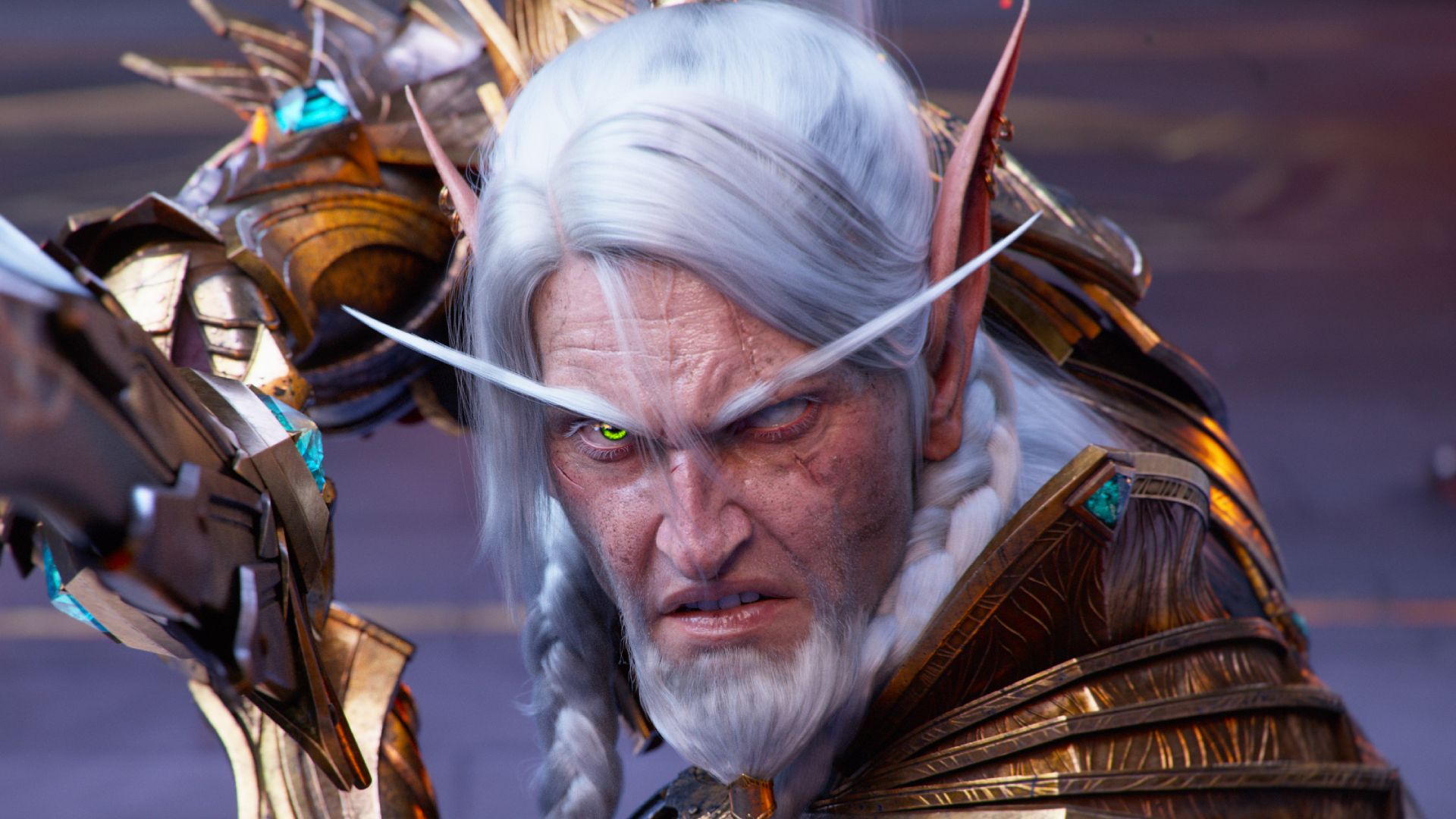
This approach has already sparked reactions from both players and add-on creators. Some popular tools, particularly those focused on accessibility or UI reskinning, have encountered unexpected compatibility issues during testing. Blizzard's response has been a mix of technical adjustments and direct collaboration with mod authors to ensure essential functionality remains intact. The team is also making deliberate exceptions for open-world content where add-ons play less of a competitive role.
Looking ahead, the development team expects this balance to remain dynamic. While some workarounds will inevitably emerge—players are known for their creativity in adapting to constraints—the goal is to maintain fair gameplay without stifling innovation. Future updates will likely introduce more built-in alternatives to replace add-on functionality, such as enhanced cooldown management and damage meters with greater customization options.
The changes signal a maturing of World of Warcraft's approach to third-party tools. Rather than treating add-ons as an afterthought or a necessary evil for complex content, the game is now positioning them as one layer in a broader ecosystem—one where Blizzard retains control over core mechanics while still accommodating player preferences.
For players, this means a more streamlined experience out of the box, though those who rely heavily on custom add-ons may need to adjust their workflows. The development team is committed to monitoring feedback closely and making real-time adjustments as needed, ensuring that any inconvenience is temporary rather than permanent.