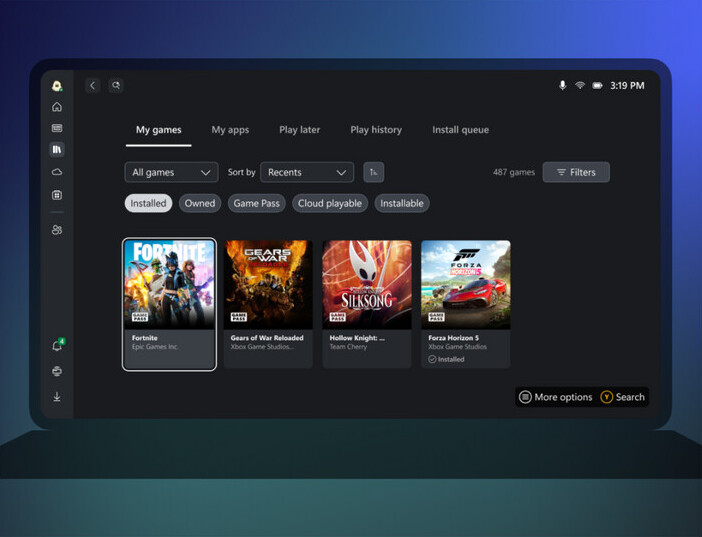
Microsoft has taken another bold step toward making Windows the most inclusive gaming platform, announcing that the Xbox app is now available on all Arm-based Windows 11 PCs. This move marks a significant milestone in the company’s effort to bridge the gap between traditional x86/x64 gaming and the rising wave of Arm-powered devices, which are becoming increasingly prevalent in both desktop and portable form factors.
Unlike previous iterations that relied on emulation layers like Prism to run x86/x64 games on Arm hardware, this version of the Xbox app brings a broader range of titles directly to Arm-based Windows 11 PCs. More than 85% of the Game Pass catalog is already compatible with these devices, and Microsoft is actively collaborating with developers and OEMs to expand support further. For titles that aren’t yet optimized for local play, Xbox Cloud Gaming remains an accessible alternative, allowing players to jump into games without waiting for native compatibility.
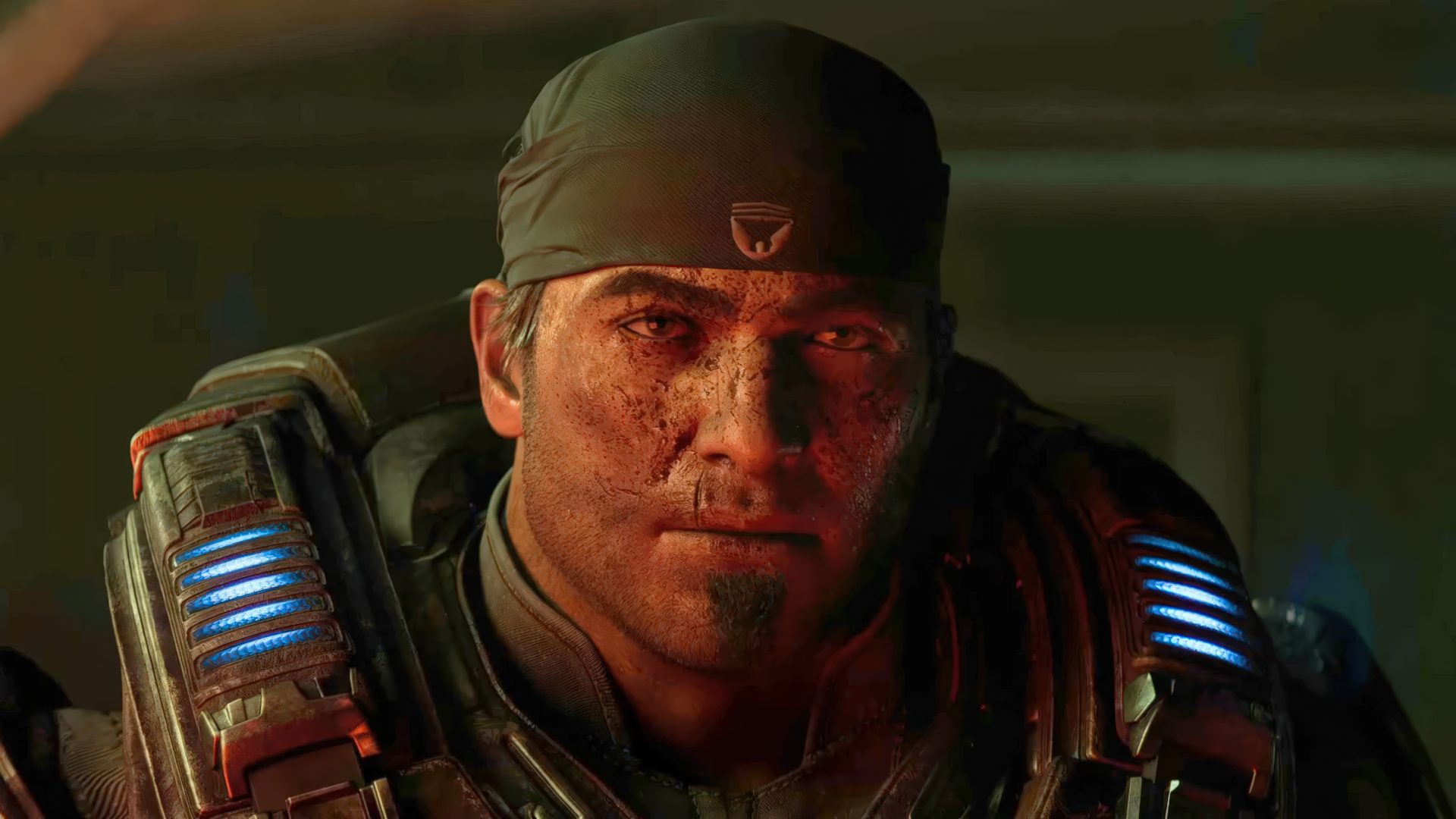
One of the key technical advancements enabling this expansion is the improved Prism emulator, which now supports AVX and AVX2 instructions—a critical step in running modern x86/x64 games on Arm-based hardware. Additionally, Epic Anti-Cheat (EAC) integration has been prioritized to ensure that popular titles like Gears of War: Reloaded and Fortnite can run smoothly without compatibility issues. Windows Performance Fit also plays a role here, providing guidance for players on which games will perform best based on their device’s hardware capabilities.
The partnership between Xbox and Windows isn’t just about compatibility—it’s about creating a seamless ecosystem where gaming experiences feel consistent regardless of the underlying architecture. Whether on a high-end desktop, a purpose-built handheld like the Surface Pro X, or an Arm-based laptop, players can now expect to access their game library, Game Pass benefits, and cloud gaming options without friction.
Microsoft’s focus on this initiative reflects broader industry trends, where Arm-based processors are gaining traction in PC gaming due to their efficiency and performance. By addressing potential bottlenecks—such as emulation overhead and anti-cheat integration—the company is positioning Windows 11 as a unifying platform that can support both traditional and next-generation gaming hardware. The collaboration extends beyond just software; it involves OEMs, silicon providers, and game studios working together to ensure that the ecosystem evolves in lockstep with player demands.
Looking ahead, Microsoft has made it clear that this is only the beginning. Future updates will likely bring even more titles to Arm-based devices, along with performance optimizations and new features tailored for this growing segment of the gaming market. The company’s commitment to listening to the community—whether through direct feedback or behind-the-scenes development—ensures that these improvements are shaped by real-world usage rather than theoretical benchmarks.
For players, the practical impact is immediate: a wider selection of games, better performance on Arm-based hardware, and the flexibility to switch between local and cloud gaming without missing out. For developers and OEMs, it signals an opportunity to innovate in areas like thermal efficiency, battery life, and power consumption—key differentiators for Arm-based devices in the gaming space.
As Windows 11 continues to evolve, this partnership serves as a reminder that gaming isn’t just about raw performance or hardware specifications. It’s about creating an ecosystem where compatibility, accessibility, and user experience take center stage. With Xbox Cloud Gaming, improved emulation layers, and ongoing collaboration with industry partners, Microsoft is setting the stage for a future where Arm-based Windows PCs are no longer an afterthought but a first-class citizen in gaming.