An IT manager in a mid-sized data center stands in front of a server rack, scrolling through system logs on a laptop. The screen flickers with real-time performance metrics from a newly deployed graphics card—one that claims to deliver 20% more efficiency than its predecessors while handling AI workloads without breaking a sweat.
That card is the Zotac RTX 5070 Ti, part of a lineup that also includes two liquid-cooled RTX 5080 prototypes and a compact PC built around the desktop version of the 5080. The announcement marks Zotac’s 20th anniversary, but the focus is less on celebration and more on what these cards could mean for data centers, workstations, and even gaming rigs in the coming years.
Performance and Efficiency
The RTX 5070 Ti is positioned as a high-performance card with 16GB of GDDR6 memory, running at a base clock of 2.3 GHz and boost clock of up to 2.8 GHz. It’s built on the Ada Lovelace architecture, which promises improvements in ray tracing and AI acceleration over the previous generation.
- Chip: NVIDIA RTX 5070 Ti (Ada Lovelace)
- Memory: 16GB GDDR6
- Base Clock: 2.3 GHz
- Boost Clock: Up to 2.8 GHz
- TDP: 250W (estimated)
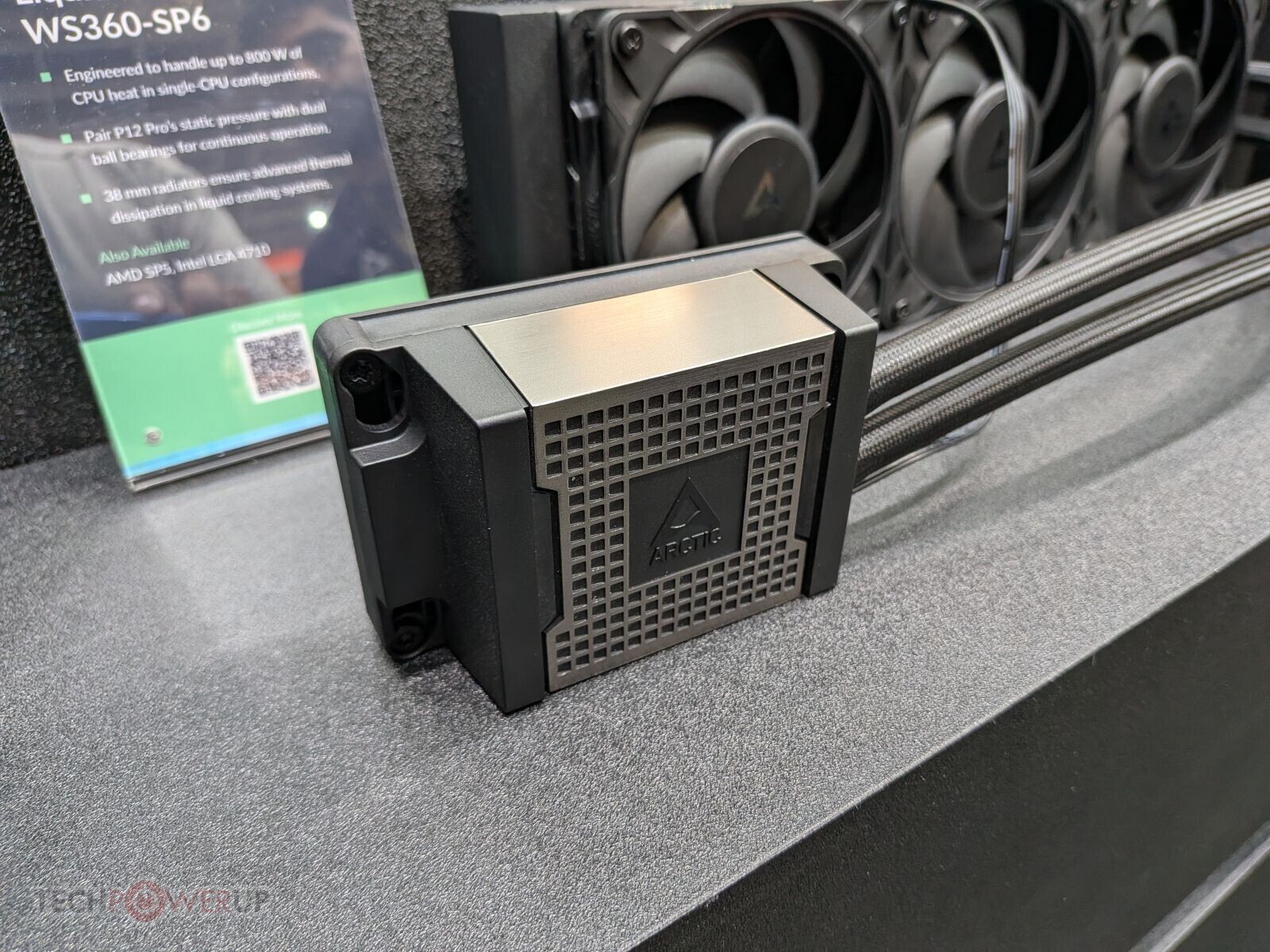
The two RTX 5080 prototypes are more experimental, featuring liquid cooling and a TDP of 350W. They’re designed for high-end workstations and data centers where thermal management is critical. The desktop 5080, meanwhile, is being integrated into Zotac’s smallest PC yet, suggesting a push toward more compact, high-performance builds.
What It Suggests
For IT teams, the RTX 5070 Ti and 5080 represent a shift in how graphics cards are being used—not just for gaming, but for AI training, rendering, and even real-time data analysis. The liquid-cooled prototypes hint at a future where thermal efficiency is as important as raw performance, especially in densely packed server environments.
However, the real-world impact remains to be seen. While NVIDIA’s Ada Lovelace architecture promises improvements, the actual gains in efficiency and performance will depend on how well Zotac optimizes its cooling solutions and software stack. For now, the focus is on what these cards could achieve if they live up to their specifications.
Industry Shift
The RTX 50 series lineup reflects a broader trend in the tech industry: the convergence of gaming and professional workloads. As AI becomes more prevalent, graphics cards are no longer just about rendering frames—they’re becoming the backbone of data centers. Zotac’s lineup is a small but significant step in that direction.
For now, the question isn’t whether these cards will perform well—it’s whether they’ll deliver on their promises in real-world scenarios. If they do, it could reshape how IT teams approach hardware selection and deployment. But if not, it may just be another milestone in a long history of high-performance computing.