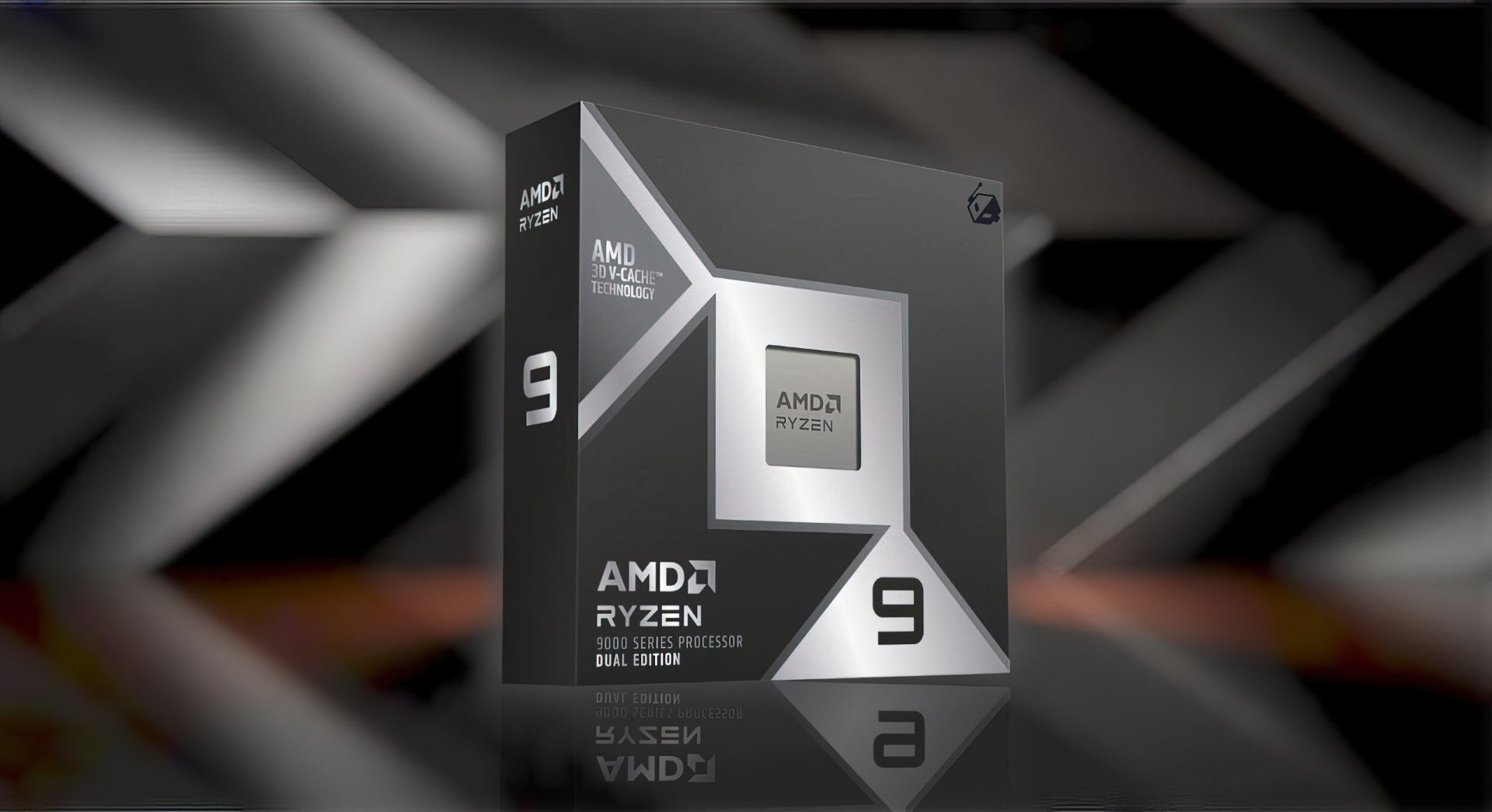
The Ryzen 9 9950X3D2 Dual Edition is a high-stakes experiment for AMD, blending cutting-edge performance with a price tag that leaves little room for error. At $899, it promises to dominate the high-end CPU market, but early benchmarks suggest a harsh reality: its value proposition is under siege.
This isn't just about raw power. It's about whether AMD can convince creators and gamers that paying nearly twice as much for a chip delivers enough tangible benefits to justify the cost. The answer so far is mixed, with competitors like Intel's Core i9-14900K offering similar performance at half the price, forcing AMD to rethink its strategy.
Performance That Doesn't Add Up
The 9950X3D2 is built on AMD's Zen 4 architecture with a 3D V-Cache design, a feature that should theoretically give it an edge in gaming. It boasts 16 cores and 32 threads, running at up to 5.7 GHz with Precision Boost Overdrive. On paper, this is a beast—one that should leave Intel's offerings in the dust.
- Cores/Threads: 16 cores, 32 threads
- Clock Speeds: Base clock up to 4.9 GHz, boost up to 5.7 GHz with Precision Boost Overdrive
- Cache: 96 MB L3 cache (with 3D V-Cache)
- TDP: 120W
- Socket: AM5
- Memory Support: DDR5-3200+ (up to 128GB)
But benchmarks tell a different story. While the 9950X3D2 excels in multi-threaded workloads, its gaming performance is being challenged by chips that cost significantly less. For example, Intel's Core i9-14900K, priced at $589, delivers nearly identical frame rates in many games while consuming less power. This creates a dilemma for AMD: do they double down on premium pricing, or do they pivot to offer more value-driven options?
A Market That Demands Value
The tech industry has shifted toward a value-first mindset, especially among creators and gamers who are increasingly cost-conscious without sacrificing performance. AMD's decision to price the 9950X3D2 at $899—nearly double its lower-tier models—risks alienating this audience.
Consider the tradeoffs: the Ryzen 9 7950X, which lacks the 3D V-Cache but offers similar multi-threaded performance, is priced at $699. That's a $200 savings for a chip that, in many real-world scenarios, delivers comparable results. The 9950X3D2's premium is supposed to be its gaming advantage, but if the gap isn't significant enough to justify the cost, AMD may have overplayed its hand.
There's also the question of market dynamics. Intel has been aggressive in closing the performance gap, and AMD's response—higher prices—could backfire if it doesn't deliver enough of a performance leap to warrant the expense. The 9950X3D2 is a high-risk, high-reward play, but the rewards are looking increasingly uncertain.
For creators, the story is slightly different. Multi-threaded workloads like video editing and rendering benefit more from the 9950X3D2's architecture, making it a viable choice for professionals who need every ounce of performance. But even here, the value proposition is being scrutinized. Is the extra cost worth the marginal gains in productivity? That's a question that will define AMD's market position moving forward.
Ultimately, the 9950X3D2's fate hinges on whether AMD can bridge the gap between performance and price. If it fails, the industry may see a shift toward more affordable high-end options, reshaping the CPU landscape in ways that favor value over premium pricing. The stakes are high, but the path forward isn't clear.