The Baseus Spacemate RD1 Pro is a docking station that attempts to centralize nearly every need a laptop user might have—power, displays, data transfer, even wireless charging—all while promising to streamline what has long been a tangled mess of cables and adapters. It delivers on some fronts with precision: 160 W total output, dual 4K display support (up to 120 Hz for single screens), and a Qi2.2-certified 25 W wireless charging pad built into its front panel. But the tradeoff is one most users will feel immediately: cost.
At $299.99, it positions itself at the high end of the docking market, where competitors like StarTech and Ugreen offer similar port counts but often with less aggressive pricing or more specialized features. The RD1 Pro’s 15 ports—including USB-C, HDMI, DisplayPort, USB-A, and a pair of Ethernet jacks—are designed to handle everything from multi-device charging to high-bandwidth display setups. Yet the question for IT teams and power users isn’t just about what it can do, but whether it can outperform existing solutions without introducing new compatibility risks.
The dock’s smart power allocation is one of its standout claims: a system that allegedly reduces multi-device charging time by up to 35% compared to standard dynamic power allocation. This is backed by an 180 W GaN adapter, which supplies the dock’s 160 W total output while individual USB-C ports can handle up to 100 W when used alone. A front-facing display provides real-time port usage and charging status, with one-touch switching between Hybrid Mode (for workflows) and Charging Mode (for energy efficiency). An enterprise-grade retimer chip is also promised to ensure smooth video performance and stable data transmission.
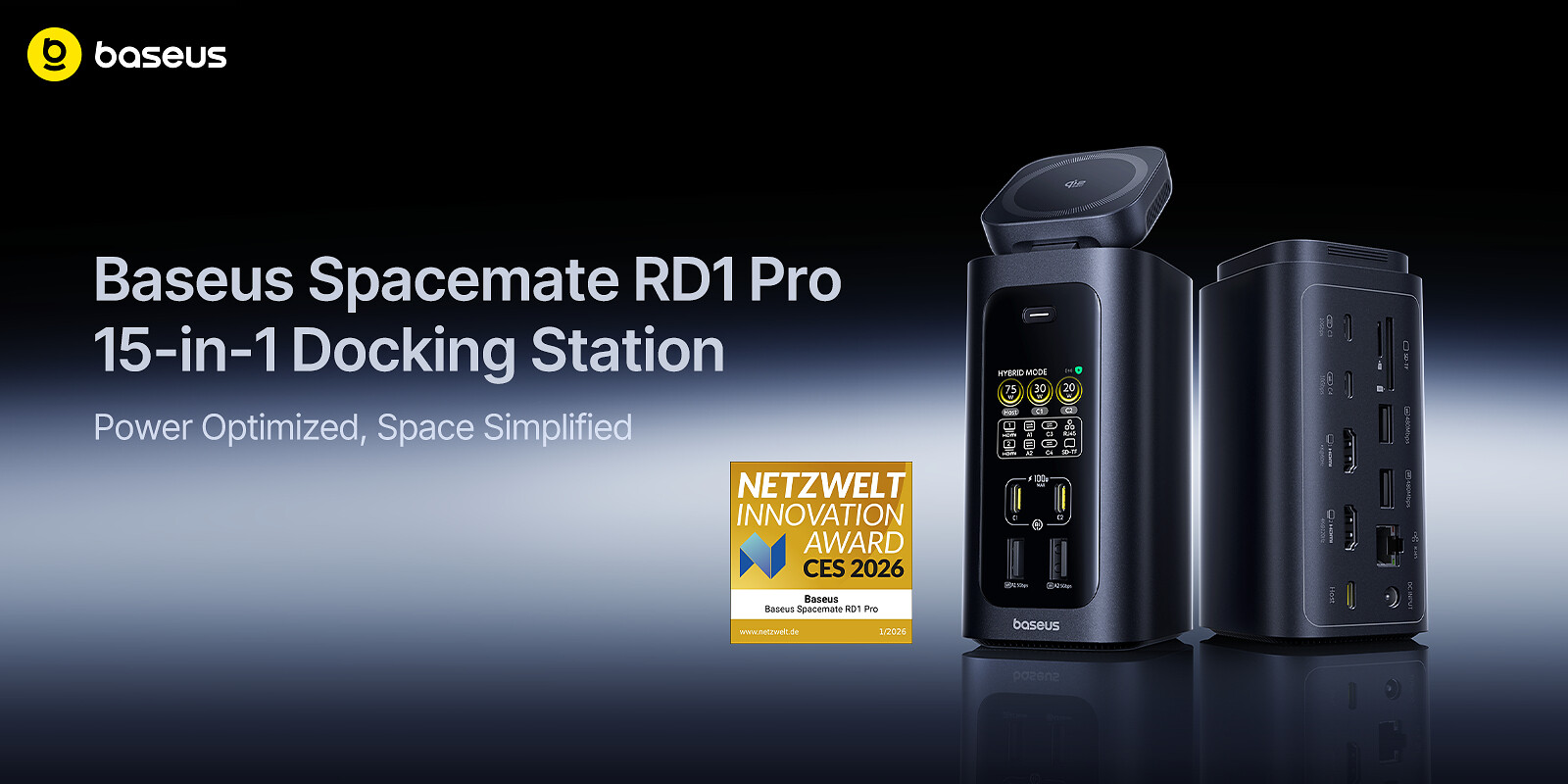
For those who work across multiple displays, the RD1 Pro supports 4K@120 Hz for single screens and 4K@60 Hz for dual displays. It claims Windows Mirror Mode and Dual Extended Display support on Windows, while macOS gets Mirror Mode and Single Extended Display. The wireless charging pad, built into a three-level extendable stand with an adjustable 80° angle, adds convenience but may not be the primary draw for enterprise users who prioritize stability over flexibility.
Where the RD1 Pro may struggle is in its positioning. Docking stations have become more specialized, with some focusing on Thunderbolt 5 speeds (up to 80 Gbps) or driverless compatibility across macOS, Windows, and Linux. The RD1 Pro doesn’t explicitly mention Thunderbolt support, which could limit its appeal for users who need the highest bandwidth options. Additionally, while the smart power management is a selling point, real-world testing will be needed to confirm whether the 35% reduction in charging time holds up under load—especially with multiple high-wattage devices connected simultaneously.
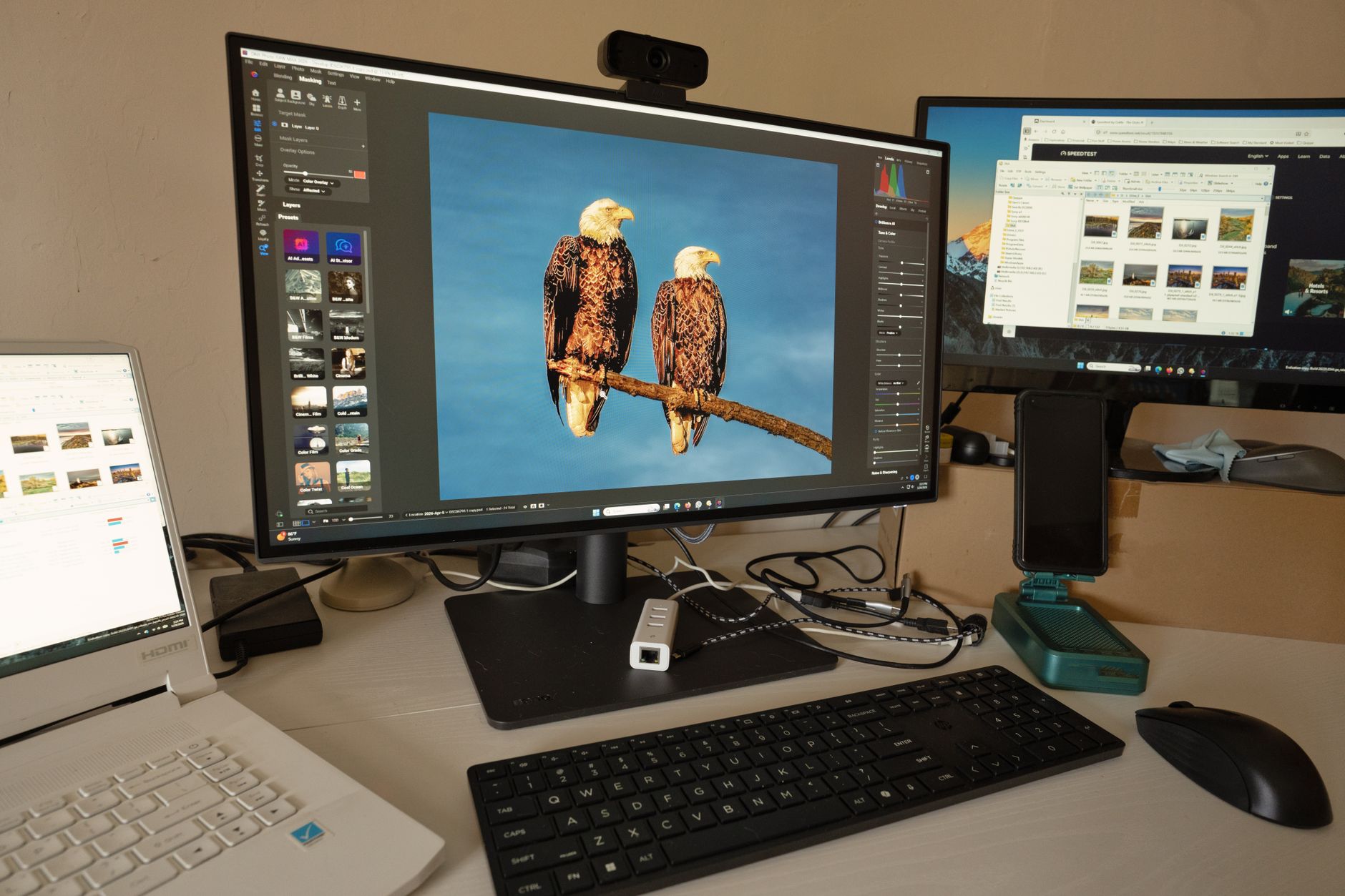
The dock’s design also reflects a broader trend: the push for ‘cleaner’ desks. By consolidating so many ports into one unit, it reduces cable clutter, but this comes with the risk of overpromising on usability. For IT teams managing fleets of laptops, compatibility will be the biggest hurdle—not just whether the dock works with existing hardware, but whether it can integrate seamlessly into workflows without becoming a bottleneck.
Availability is confirmed for Amazon US and Germany at the listed prices, but no other regions or retailers have been announced. Whether the Spacemate RD1 Pro becomes a staple in hybrid workspaces or remains a niche product will depend on two factors: how well it balances power delivery with real-world performance, and whether competitors respond by upping their own game on smart features and port density.