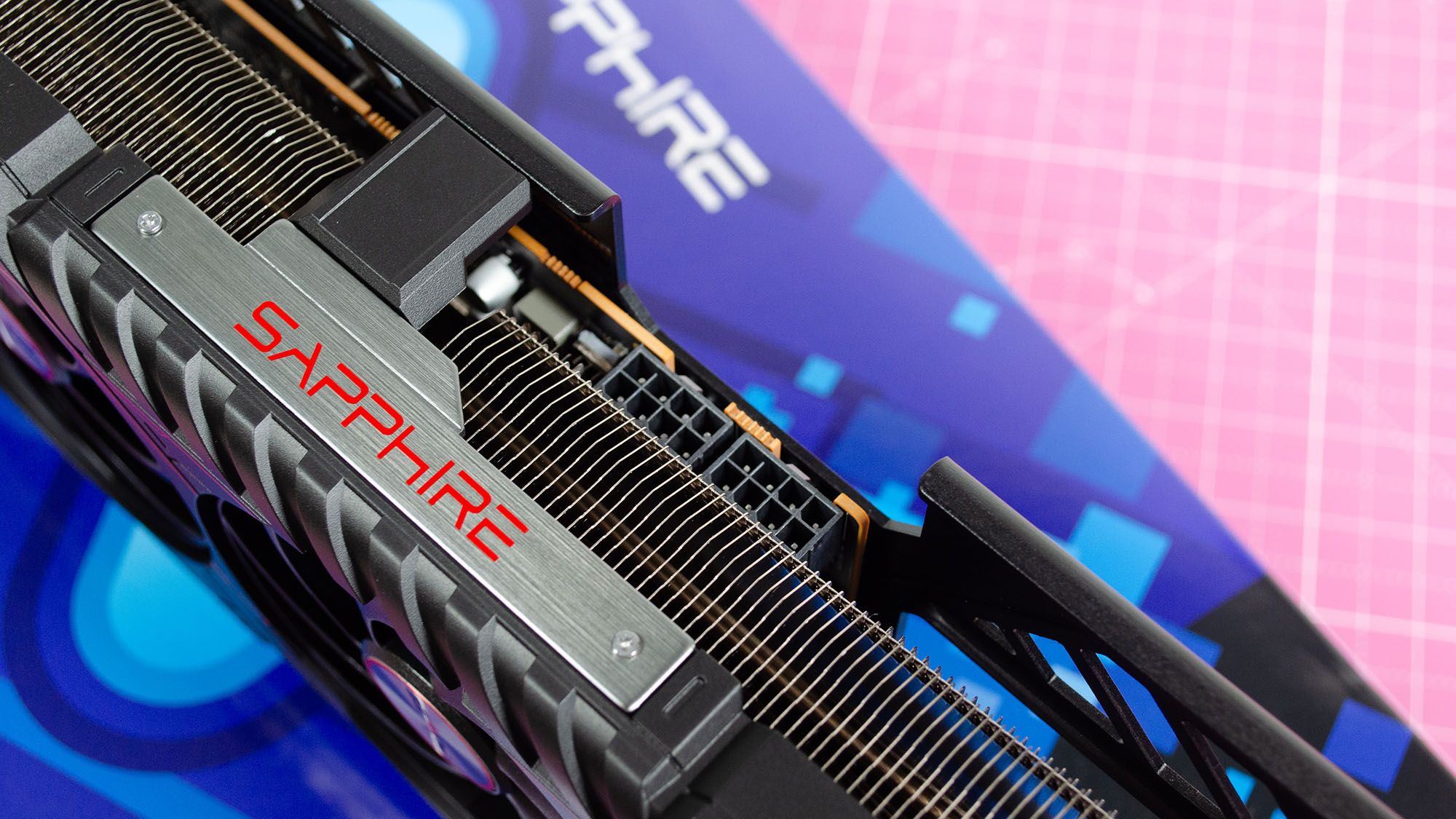
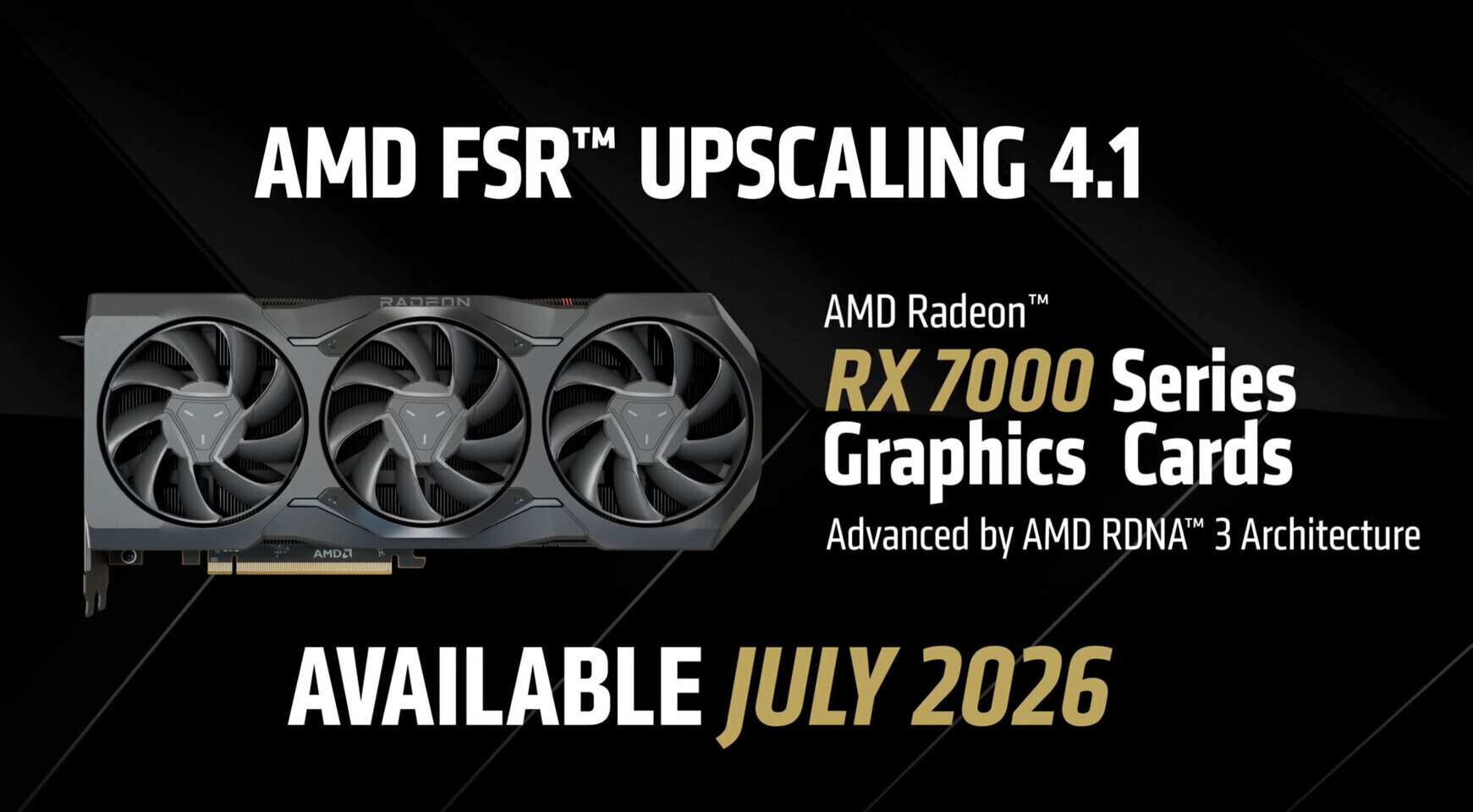
AMD has confirmed that its FSR 4.1 upscaling technology will reach RDNA 3-based Radeon RX 7000 GPUs in July, delivering performance on par with the newer RDNA 4 chips. However, RDNA 2 support is expected much later, in 2027, due to architectural differences that complicate optimization.
RDNA 4 GPUs, such as the RX 9000 series, already benefit from FSR 4.1, which leverages 8-bit floating-point (FP8) support for efficient AI acceleration. RDNA 3 lacks FP8, forcing AMD to convert the model to integer math, a process that preserves visual quality but adds complexity. RDNA 2, without dedicated AI accelerators, faces even greater challenges, relying solely on shader cores for upscaling, which demands extensive optimization.
Key Details
- RDNA 3 Support: FSR 4.1 arrives in July with the same visual quality as RDNA 4 but requires integer math conversion due to no FP8 support.
- RDNA 2 Support: No timeline yet, expected in 2027; relies on shader cores without AI accelerators, making optimization difficult.
- Development Process: AMD trains FSR 4.1 on Instinct MI accelerators, refines it with Radeon Pro GPUs using ROCm, and tests across hundreds of thousands of PC configurations.
The delay for RDNA 2 stems from the lack of AI hardware in those GPUs, forcing AMD to repurpose shader resources—a process that consumes more compute cycles. For RDNA 3, the conversion to integer math is less intrusive but still requires careful tuning. AMD’s multi-stage development pipeline ensures compatibility across its GPU lineup, from high-end Instinct accelerators to consumer Radeon cards.
What Developers Need to Watch
Developers using RDNA 3 GPUs can expect FSR 4.1 in July with minimal performance impact, assuming AMD’s optimizations hold. However, those relying on RDNA 2 hardware should prepare for a longer wait and potential trade-offs in upscaling efficiency. Pricing and availability remain unchanged, but the staggered rollout may influence upgrade decisions during a period of constrained supply.