Creative workflows are undergoing a transformation, with AI tools now capable of automating complex design tasks that once required hours of manual work. Small businesses, in particular, stand to benefit from these advancements, as they can produce professional-grade content at a fraction of the time and cost.
The latest updates from Adobe and Canva introduce AI agents that can generate images, adjust layouts, and even refine text-based designs with minimal input. These tools are not just about speed; they also aim to democratize high-end creative capabilities, making them accessible to those without formal design training. For small businesses, this means the ability to maintain a consistent brand identity across multiple platforms without relying on external agencies or expensive software suites.
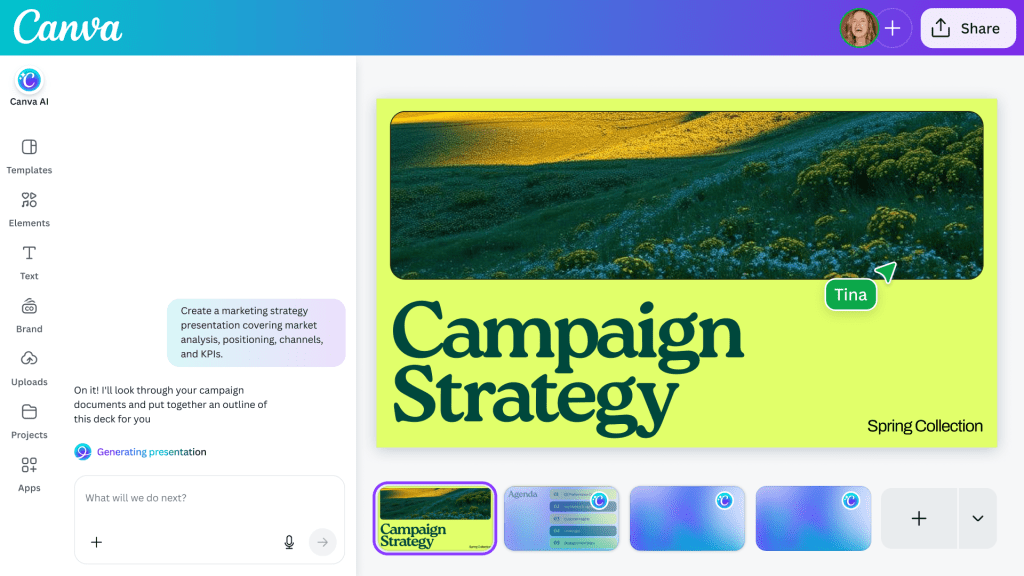
Adobe’s Firefly AI, now integrated into its Creative Cloud suite, allows users to generate images from text prompts, adjust lighting and composition in real time, and even create variations of existing designs. The tool is built with a focus on scalability, meaning it can handle everything from simple social media graphics to complex marketing campaigns. Canva’s AI, meanwhile, takes a more collaborative approach, offering suggestions for layout improvements, color palettes, and even generating alt text for accessibility compliance.
For small businesses, the value proposition is clear: these tools eliminate the need for specialized skills while maintaining quality. A graphic designer might still be needed for high-stakes projects, but for day-to-day tasks—such as social media posts, presentations, or basic branding materials—the AI handles the heavy lifting. The result is a more agile workflow that can adapt to tight deadlines without sacrificing creativity.
That’s the upside—here’s the catch. While these tools are powerful, they require a learning curve, particularly for those unfamiliar with AI-driven design software. Additionally, the quality of output depends heavily on the input prompts and the user’s ability to refine results. Small businesses may find that they need to invest time in training or hire short-term help to maximize efficiency. Nevertheless, the potential for cost savings and increased productivity remains significant, especially for those operating with limited resources.
The shift toward AI-assisted design is not just about replacing human creativity but augmenting it. For small businesses, this means having more control over their creative output while reducing dependency on external expertise. As these tools continue to evolve, the line between amateur and professional design will blur further, giving small teams the tools they need to compete with larger players.
Small businesses that rely heavily on visual content—such as e-commerce stores, digital agencies, or marketing firms—will benefit most from this shift. Those willing to experiment with AI-driven workflows can expect a noticeable improvement in efficiency without compromising quality, making it a practical upgrade for any team looking to streamline their creative process.