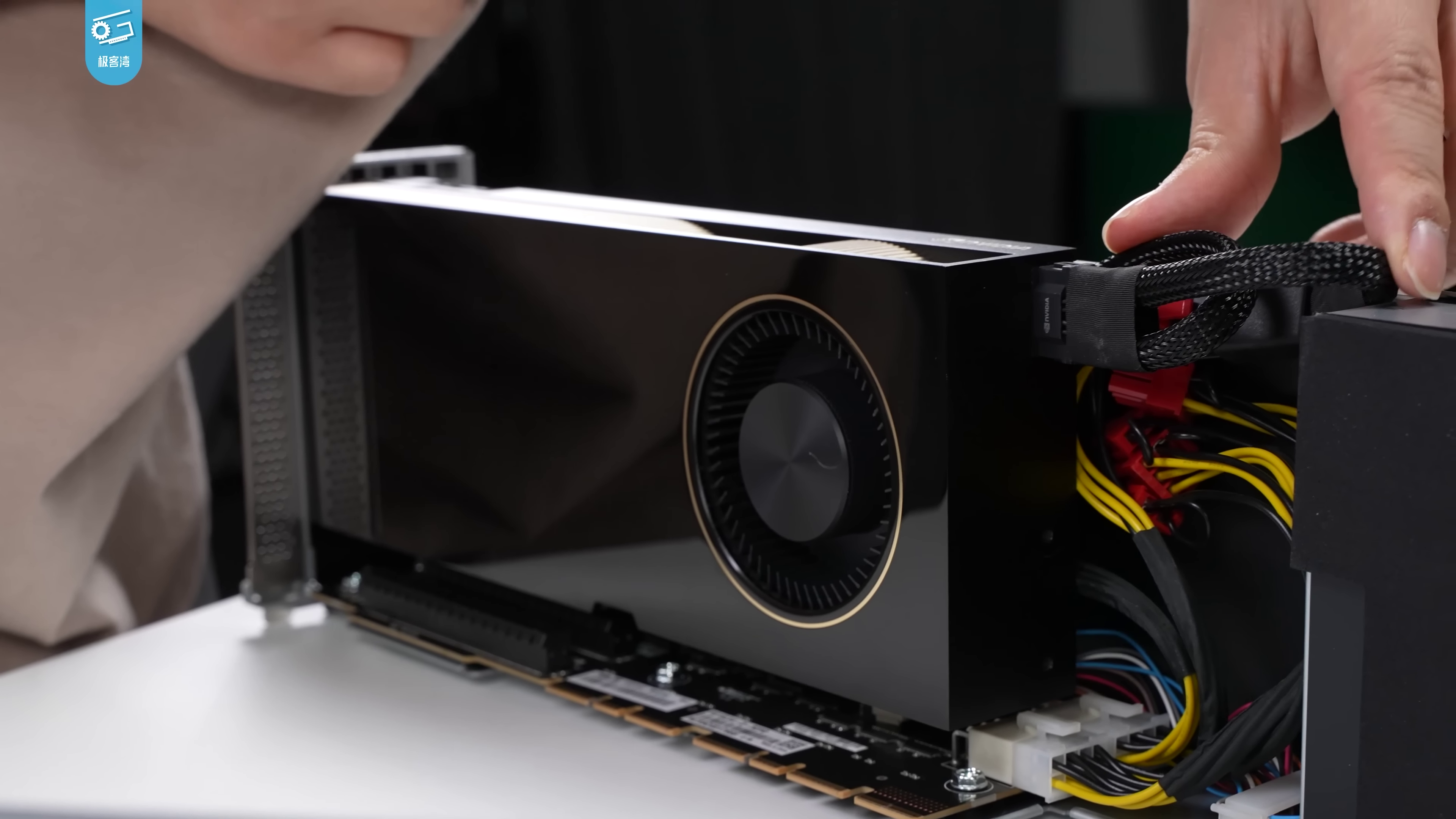
NVIDIA's latest AI hardware platform introduces a leap forward in computational power, targeting enterprise-grade workloads with unprecedented efficiency. At the core of this announcement lies a new architecture that promises to reshape the landscape for organizations navigating the demands of modern data processing.
The new system is built around a next-generation GPU, delivering up to 50% more performance per watt compared to its predecessor. This isn't just about raw speed; it's about making high-performance computing more accessible and sustainable. For teams working on large-scale AI models or complex simulations, this represents a meaningful step forward in both capability and cost-effectiveness.
Key Specifications
- Performance: 50% improvement in performance per watt over the previous generation.
- Memory: 48GB HBM3 memory, optimized for AI workloads with higher bandwidth and lower latency.
- Compute: New architecture featuring third-generation Tensor Cores, designed to handle mixed-precision tasks more efficiently.
The platform also includes advanced features like dynamic power scaling, allowing developers to adjust performance based on real-time needs. This is particularly valuable for workloads that fluctuate between high-intensity tasks and lighter operations.

Who Benefits?
This hardware is squarely aimed at organizations pushing the boundaries of AI research, scientific computing, or large-scale data analytics. For developers, the focus is on reducing the time required to train models while maintaining energy efficiency—a critical factor as workloads grow in complexity.
The improvements in memory bandwidth and Tensor Core efficiency mean that tasks like neural network training can be executed faster without sacrificing accuracy. This could be a game-changer for industries where speed and precision are non-negotiable, such as healthcare diagnostics or autonomous systems development.
Limitations and Considerations
Despite the advancements, adoption won't be instantaneous. The platform is designed for high-end use cases, meaning smaller teams or those with less demanding workloads may not see an immediate need to upgrade. Additionally, the cost of implementation remains a factor, though NVIDIA's focus on efficiency could help offset some of these expenses over time.
For now, this hardware represents a milestone in AI computing, offering developers a more powerful and efficient toolset to tackle increasingly complex challenges. As the demand for high-performance computing continues to grow, platforms like this will play a pivotal role in shaping the future of data-driven innovation.