The Alienware 16 Aurora, once a premium gaming machine, has undergone a quiet transformation. Its price tag now reads $1,350—a $400 discount from its launch—but the real story isn’t just the savings. It’s what that discount represents: a rethinking of how this laptop balances power, efficiency, and cost for users who need AI-accelerated workloads without breaking the bank.
Gone are the days when Alienware laptops were built with high-end gaming in mind first. The Aurora now leans harder into battery life, thermal management, and sustained performance under lighter loads—key shifts that matter more to data scientists, video editors, or 3D artists than to those chasing frame counts. The RTX 5060 remains the engine, but its role has been recalibrated: less about real-time rendering, more about inference tasks where efficiency trumps brute force.
This isn’t just a price drop; it’s a pivot. The laptop’s cooling system has been reworked to handle sustained workloads without throttling, and the display now supports a higher refresh rate (165Hz) paired with adaptive sync, making it viable for tasks that require smoother UI interactions—like data visualization or CAD work. But whether these changes justify the discount depends on who you are.
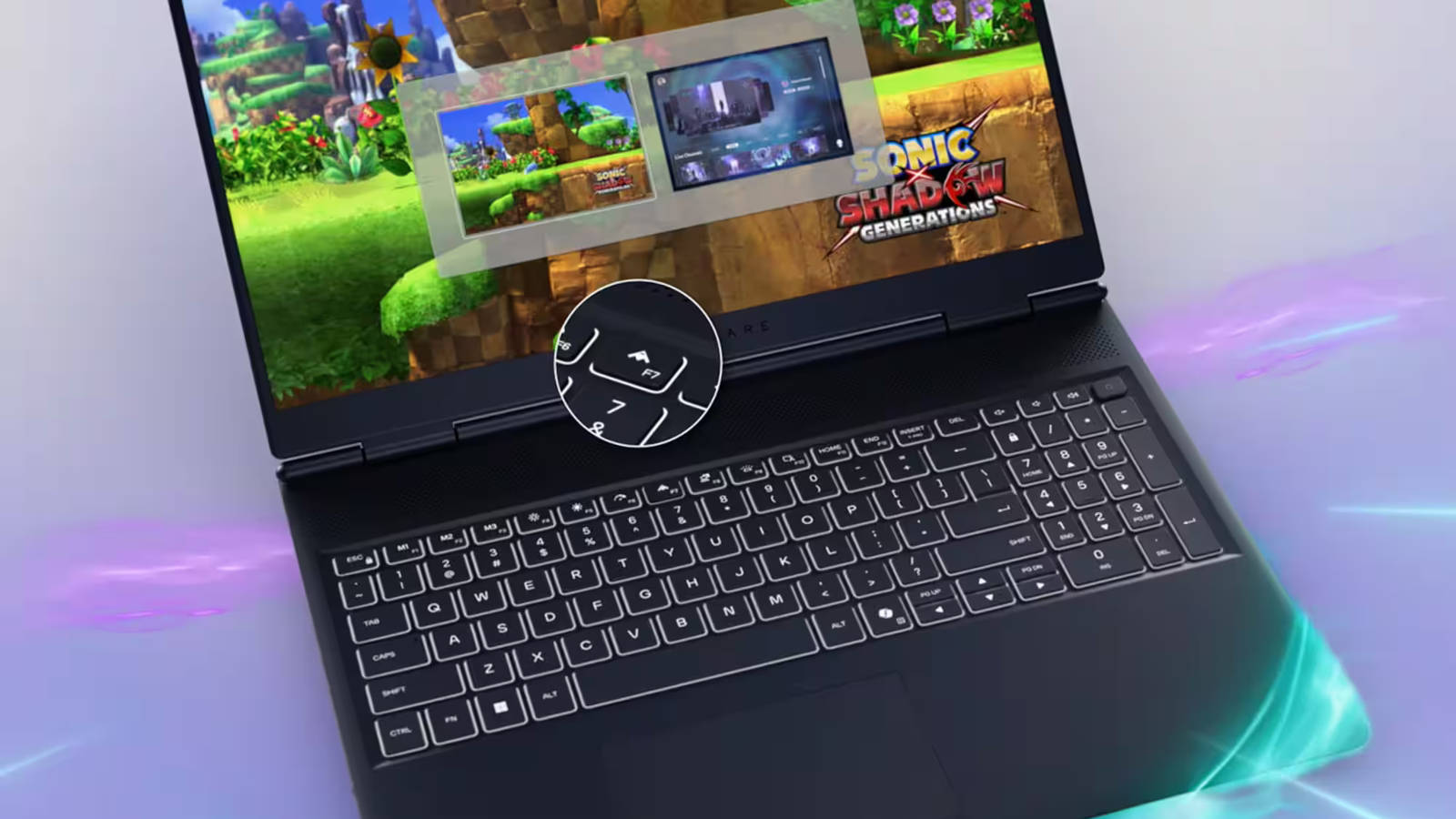
- Display: 16-inch FHD+ (1920 x 1280), 165Hz, 300 nits brightness, 72% sRGB
- Chipset: Intel Core i7-14650HX (Raptor Lake Refresh), up to 5.1 GHz base clock, 18 cores/24 threads
- GPU: NVIDIA GeForce RTX 5060, 6GB GDDR6, 1792 CUDA cores, 3rd-gen Tensor cores for AI acceleration
- Memory: 16GB DDR5 (soldered), upgradeable to 32GB via slot
- Storage: 512GB PCIe 4.0 SSD (no M.2 slot, but expandable via NVMe slot)
- Battery: 86Wh, claimed up to 7 hours for mixed tasks (real-world varies)
- Thermals: Dual-fan system with vapor chamber, optimized for sustained workloads
- Ports: Thunderbolt 4, USB-C (Power Delivery), HDMI 2.1, USB-A, headphone jack, microSD slot
- Connectivity: Intel Wi-Fi 6E, Bluetooth 5.3
- Weight: 4.7 lbs (2.1 kg)
- Price: $1,350 (originally $1,750)
The specs tell a story: the RTX 5060 is still the star, but its 6GB of VRAM now feels like a bottleneck for traditional gaming, not just AI tasks. The lack of an M.2 slot for storage expansion is a notable omission—something that would have made this laptop more future-proof. And while the battery life is better than before, real-world use will still depend on how you balance screen brightness and background processes.
The biggest unknown? How much of this laptop’s new focus on efficiency actually translates to AI workloads. NVIDIA’s Tensor cores are here, but without more benchmarks, it’s hard to say whether the Aurora is truly optimized for inference or just repurposed from its gaming roots. For now, the $400 discount makes it an intriguing option if you need a portable machine that can handle both creative work and light AI tasks—just don’t expect it to replace a dedicated workstation.
In the end, this isn’t a laptop for those chasing raw performance. It’s for users who want a balance: enough power to run AI tools without draining their wallet or battery, and just enough gaming muscle to keep it relevant in a world where workloads are shifting faster than hardware can keep up.