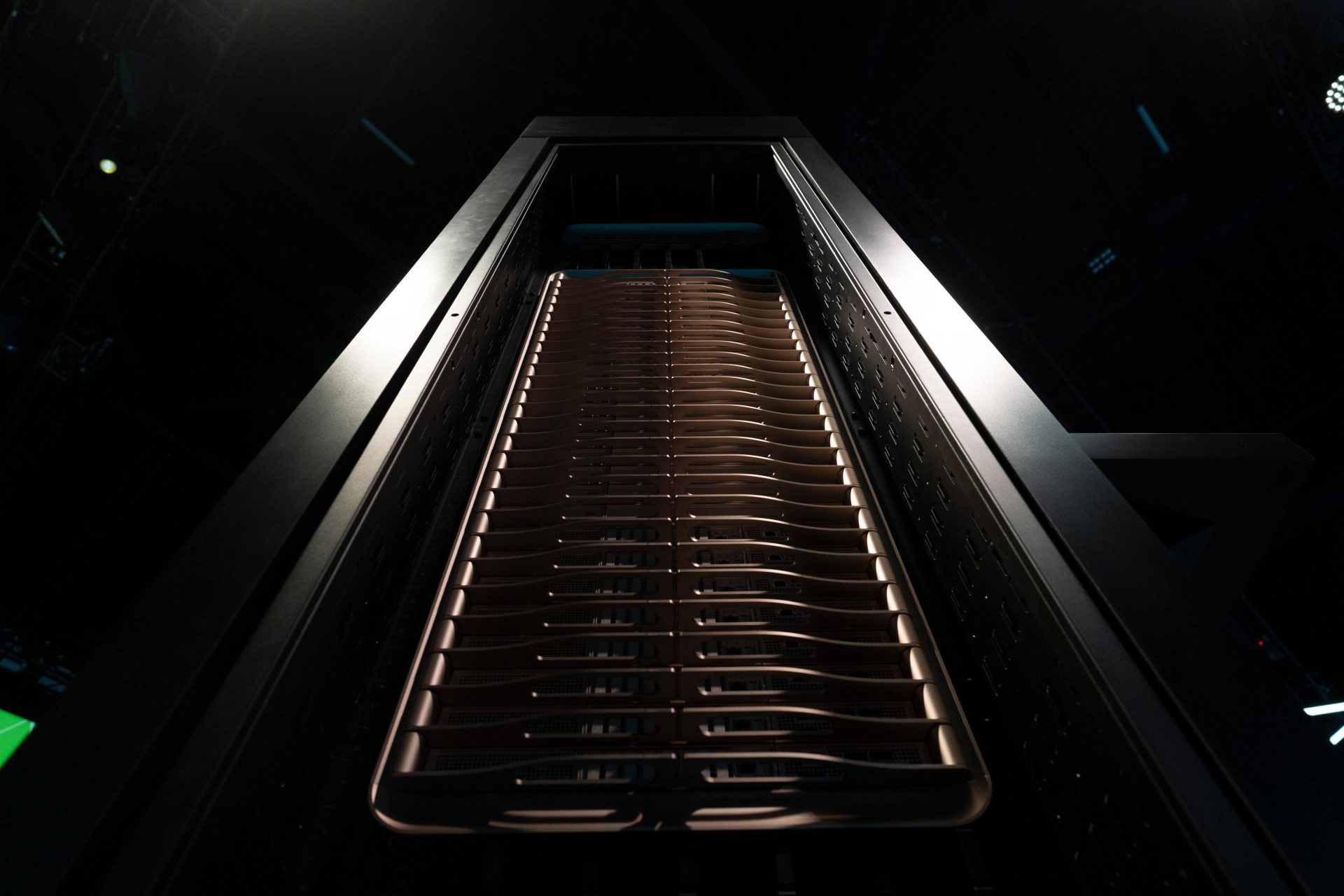
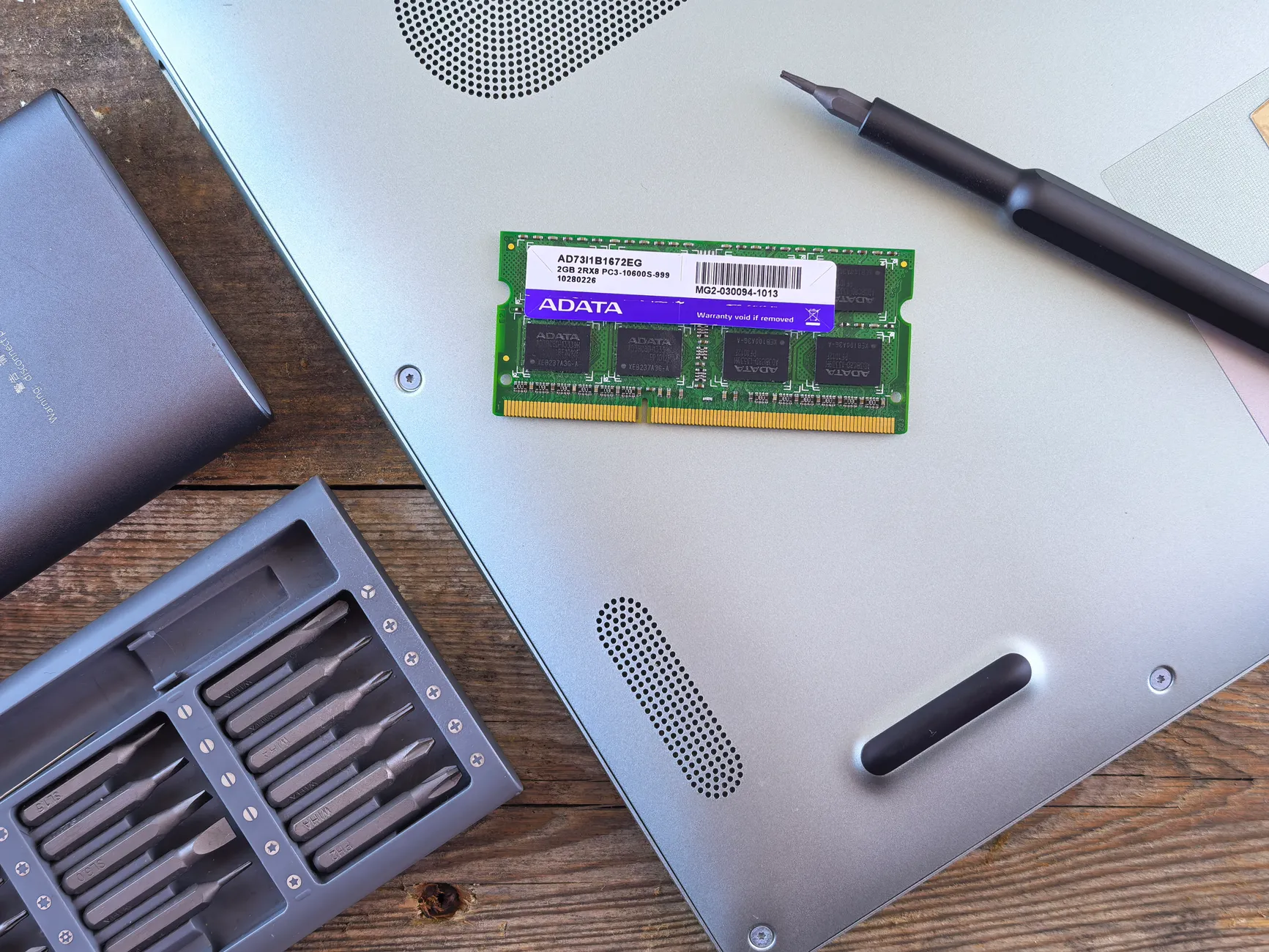
A developer assembling a high-performance workstation in Q1 2028 may find themselves choosing between two radical new capabilities: Intel’s latest Serpent Lake SoCs, which promise breakthroughs in power efficiency, and NVIDIA’s RTX GPU tiles, now integrated directly into the silicon. The combination suggests a shift toward more compact, thermally efficient designs without sacrificing raw performance.
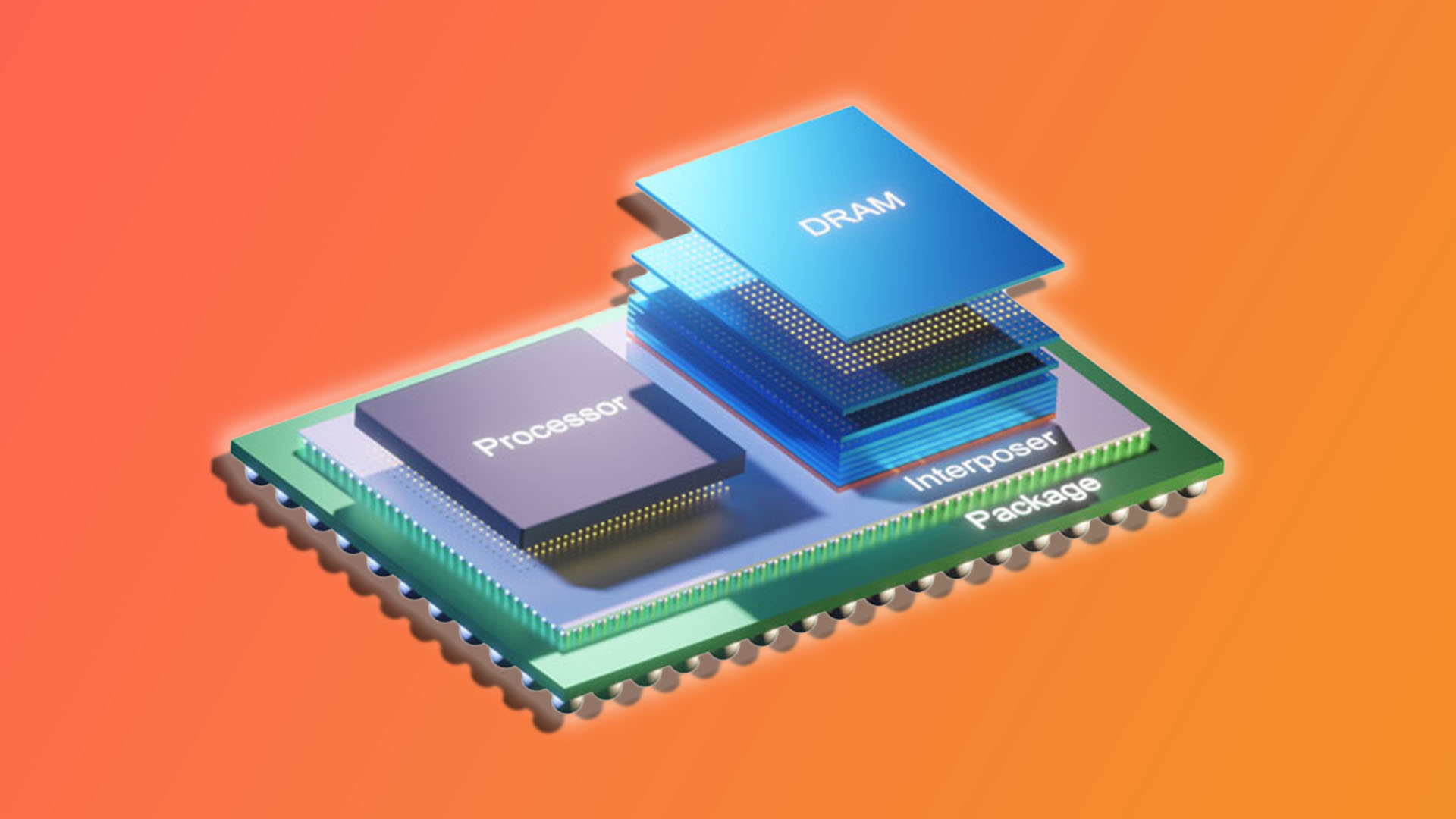
Intel’s upcoming Serpent Lake platform is set to introduce a new level of integration between CPU and GPU components. Unlike previous generations, these SoCs will embed NVIDIA RTX GPU tiles, effectively merging discrete GPU performance with system-on-chip architecture. The move aims to address long-standing challenges in thermal management and power consumption, particularly for workloads demanding both high compute density and real-time ray tracing.
Key Specifications
- CPU Cores: Up to 16 performance cores (P-cores) and 32 efficiency cores (E-cores), maintaining Intel’s hybrid architecture but with improved IPC and clock speeds.
- GPU Integration: NVIDIA RTX GPU tiles integrated directly into the SoC, offering up to 4th-gen RT cores and DLSS 4 support without requiring external GPU modules.
- Memory Support: Dual-channel DDR5-5600 with up to 128GB capacity, optimized for low-latency workloads.
- Thermal Design Power (TDP): Configurable between 65W and 95W, depending on the SKU, with advanced liquid metal cooling support.
- Fab Process: Intel’s 20A node, enabling higher transistor density and improved power efficiency.
The integration of NVIDIA RTX tiles into Serpent Lake marks a departure from traditional discrete GPU designs. By embedding the GPU logic directly into the SoC, Intel and NVIDIA aim to eliminate bottlenecks associated with PCIe bandwidth and thermal throttling. This approach is particularly appealing for developers working on AI training clusters, real-time rendering pipelines, or high-end gaming rigs where space and power constraints are critical.
Why It Matters
For developers, the most immediate impact will be in system design flexibility. The ability to deploy RTX-level ray tracing and AI acceleration without relying on a separate GPU module could simplify cooling requirements and reduce overall footprint. Benchmarks suggest that Serpent Lake SoCs with integrated RTX tiles could achieve up to 30% better performance-per-watt compared to current discrete GPU setups, assuming similar workloads.
However, the transition to this architecture is not without challenges. Developers will need to adapt their software stacks to account for the new memory hierarchy and thermal behavior of integrated RTX tiles. Early adopters may also face higher initial costs due to the complexity of manufacturing these hybrid SoCs. The long-term goal—if successful—is to make high-performance computing more accessible, particularly in edge AI deployments where power efficiency is non-negotiable.
The arrival of Serpent Lake in early 2028 could also accelerate the decline of traditional discrete GPU markets for workstations. If Intel and NVIDIA can stabilize this integration, the next wave of professional-grade systems may no longer require separate GPU cards at all. For now, developers should monitor thermal benchmarks and software compatibility updates, but the writing is on the wall: the future of high-performance SoCs is increasingly tile-based.