AMD finds itself at a critical juncture in the GPU market, where traditional business models are being upended by unprecedented DRAM shortages. Unlike competitors that have swiftly adjusted pricing to capitalize on inflated memory costs, AMD is attempting to absorb much of the financial strain—at least for now. This strategy risks squeezing profit margins, but it also positions the company as a defender of accessibility in an era where AI-driven demand has sent prices spiraling upward.
The core of AMD's challenge lies not just in securing sufficient DRAM supply, but in doing so at a price that doesn't render its GPUs uncompetitive. The departure of one of the three major memory manufacturers from the consumer market has further complicated the landscape, leaving both AMD and NVIDIA scrambling to secure inventory without passing costs entirely onto consumers. While NVIDIA has reportedly chosen to focus on 8GB variants of its RTX 5070 Ti lineup—potentially signaling a shift toward AI workloads—AMD's approach remains more ambiguous.
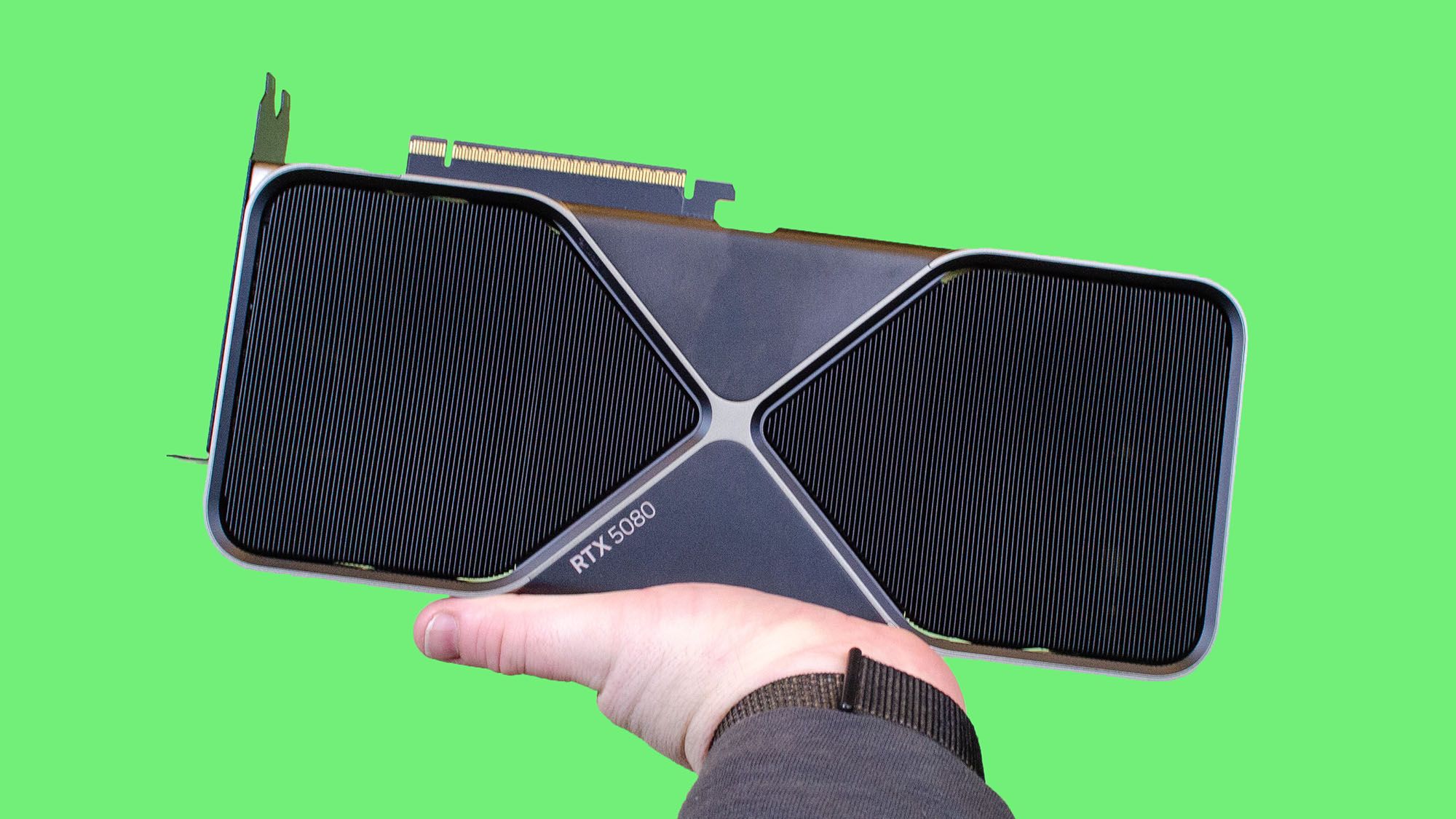
Key specs of AMD's upcoming RX 9000 series, including the GeForce RTX 5070 Ti as a benchmark for performance expectations, suggest that the company is aiming to maintain its market position without drastic price hikes. However, the ability to sustain this balance depends heavily on how well AMD can navigate the DRAM ecosystem, which has become a bottleneck even for established players.
- Display: 12nm process technology, GDDR6 memory
- Chip: RDNA 3 architecture, up to 54 CUs (Compute Units)
- Memory: 8GB/10GB/12GB options, depending on model variant
- Storage: N/A (GPU does not include storage)
- Power: 300W TDP for high-end models like the RTX 5070 Ti
- Cameras: N/A (not applicable to GPUs)
- Connectivity: PCIe 4.0, HDMI 2.1, DisplayPort 2.1
- Ports: Dual-fan or triple-fan cooling solutions, depending on model
- Pricing: Targeting MSRP, though actual prices may fluctuate due to DRAM market conditions
The trade-off for AMD is clear: by keeping GPU prices stable, it risks alienating investors accustomed to rapid profit growth in the AI era. Yet, maintaining affordability could also help retain its user base amid a market where competitors are prioritizing high-margin products. The real-world impact of this strategy remains to be seen, but one thing is certain—AMD's ability to execute will define its standing in the next generation of GPU warfare.
Availability and pricing for AMD's RX 9000 series have not been confirmed, leaving consumers in a state of uncertainty. If the company can successfully mitigate DRAM costs without sacrificing performance, it may yet emerge as a leader in both gaming and AI-accelerated workloads. However, the current market conditions suggest that this will be no small feat.