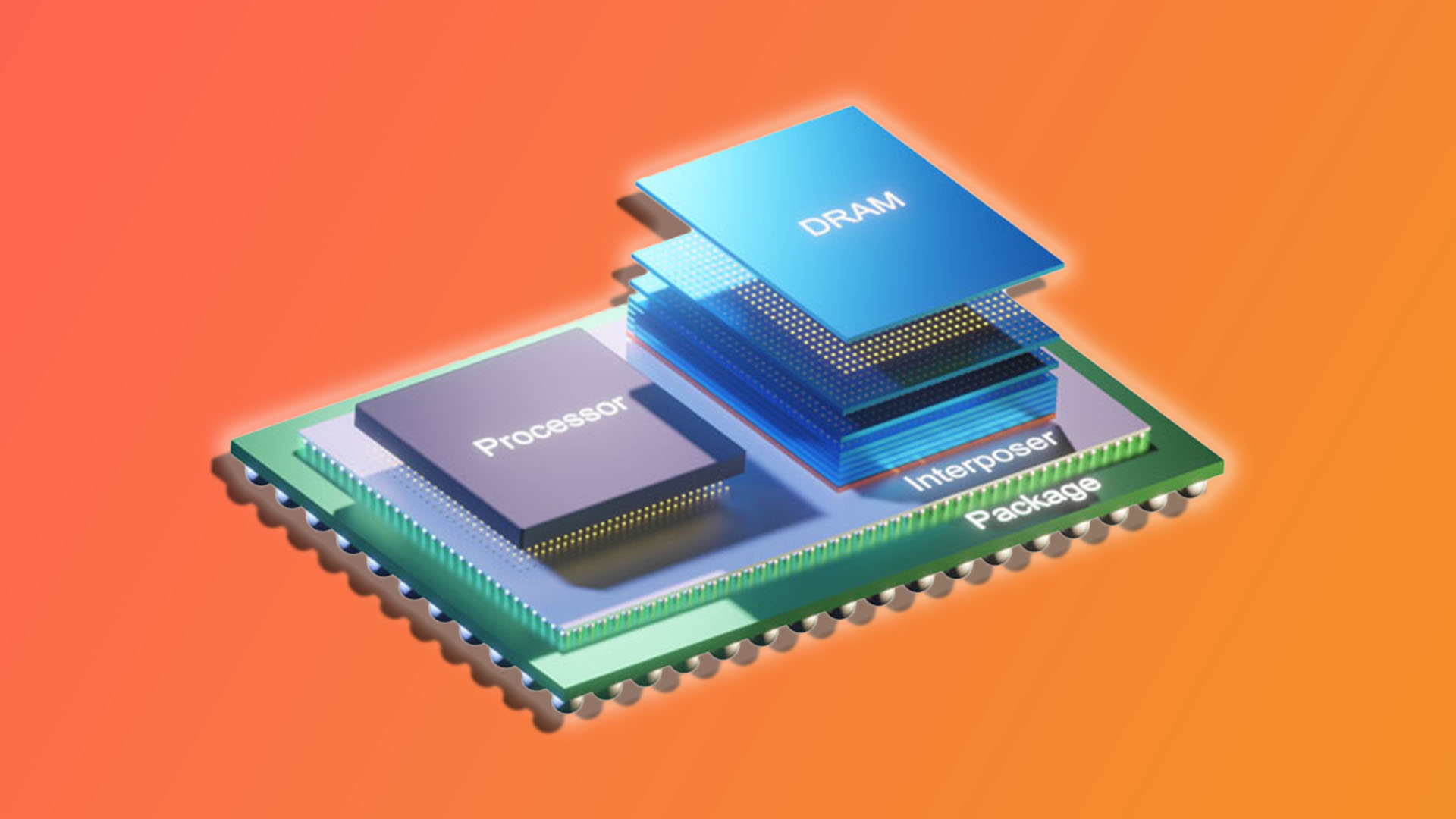
HBM memory pricing is set to more than double within two years, according to Aletheia’s latest market assessment. This surge will force a reckoning in AI hardware design, where high-bandwidth memory has become the most critical—and now the most expensive—component.
The projection comes as HBM adoption accelerates across data center and creator-grade platforms. Prices for 12Gb stacks were already at $300 per unit earlier this year; by mid-2027, they could exceed $600. The increase reflects constrained supply chains, rising wafer costs, and the relentless demand from AI workloads that outpace even the most aggressive roadmaps.
What’s confirmed: Aletheia’s data points to a 100% price increase for HBM2e stacks by Q3 2027. The firm does not anticipate volume discounts offsetting this rise, contrary to historical trends in DRAM. What’s still uncertain is whether manufacturers will introduce new packaging or process nodes to mitigate the cost—options that remain in early R&D phases.
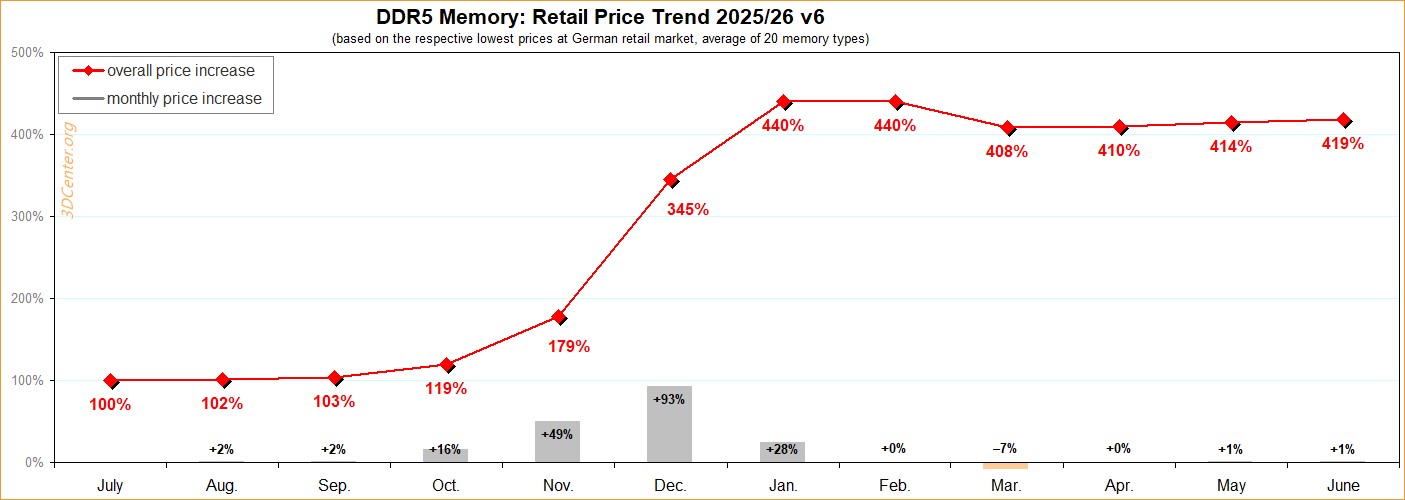
For creators and data center operators, the implications are immediate. Projects relying on HBM for acceleration face higher upfront costs, while long-term planning must account for a memory market that no longer follows traditional price-decline curves. The shift also raises questions about alternative architectures: can AI workloads adapt to lower-bandwidth but more cost-effective solutions, or will HBM remain the non-negotiable backbone?
The next phase hinges on two factors. First, whether 2027 brings new HBM generations with significant yield improvements. Second, how quickly alternative memory technologies—such as HBM-lite or hybrid stacks—can scale to replace traditional HBM without sacrificing performance. Without breakthroughs in either area, the cost of AI acceleration will redefine what projects are viable at all.