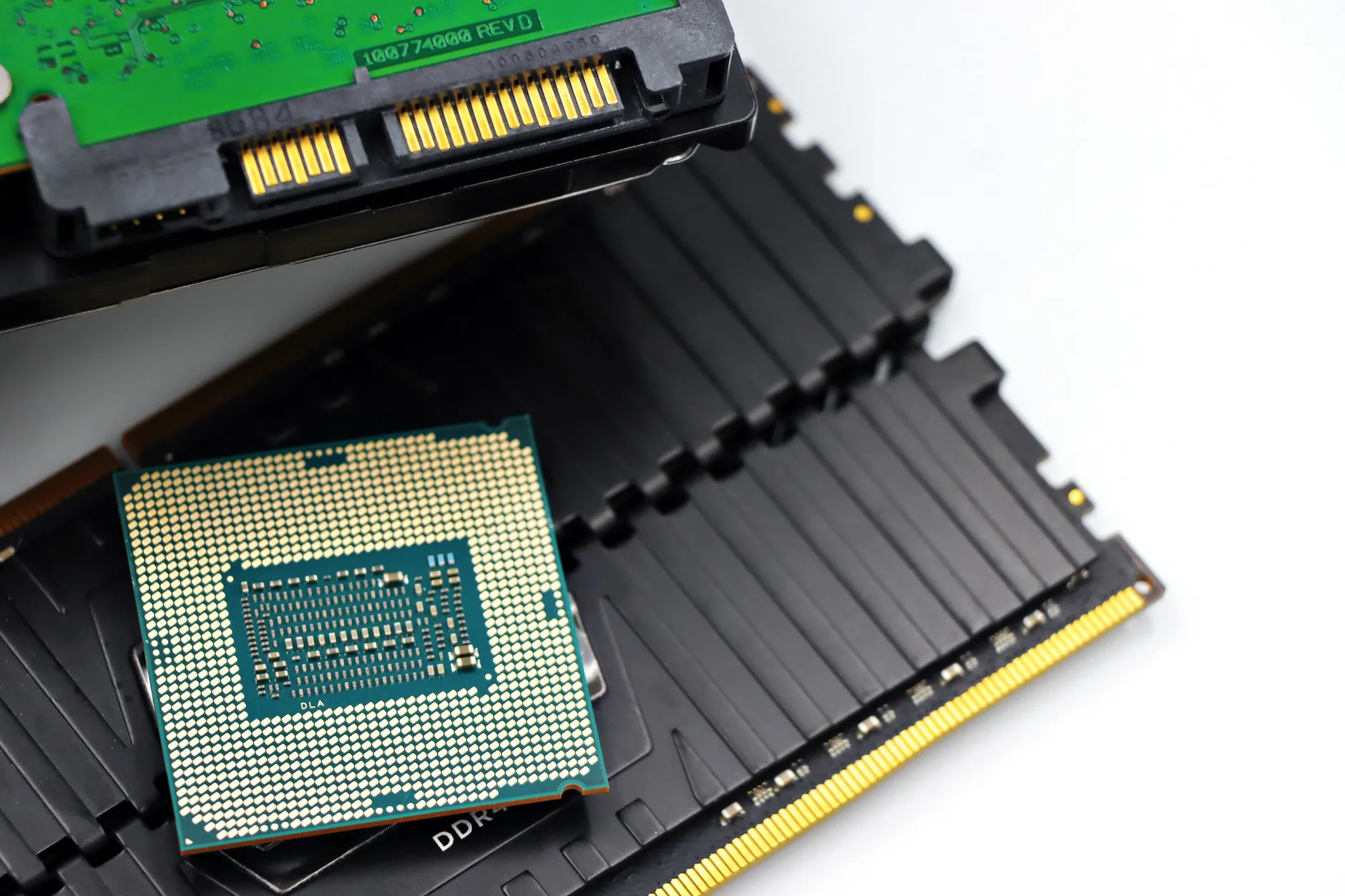
Apple’s next-generation iPhone lineup is facing an unexpected hurdle: skyrocketing RAM prices. Industry reports suggest that the cost of mobile DRAM has nearly doubled, reaching $180 per gigabyte for high-end components. This financial pressure could force Apple to reconsider its memory strategy, potentially capping the iPhone 18 at 8GB—far below the 12GB seen in recent flagship models.
The shift would mark a significant departure from Apple’s long-standing practice of increasing RAM capacity with each new generation. While the company has historically balanced performance and cost, the current market conditions threaten to upend that equation entirely.
How Apple’s memory choices could reshape the iPhone 18
The implications of this move extend beyond hardware specifications. A return to lower RAM capacity would likely affect app performance, multitasking capabilities, and long-term software support—factors that have become increasingly important for enterprise users and power users alike.
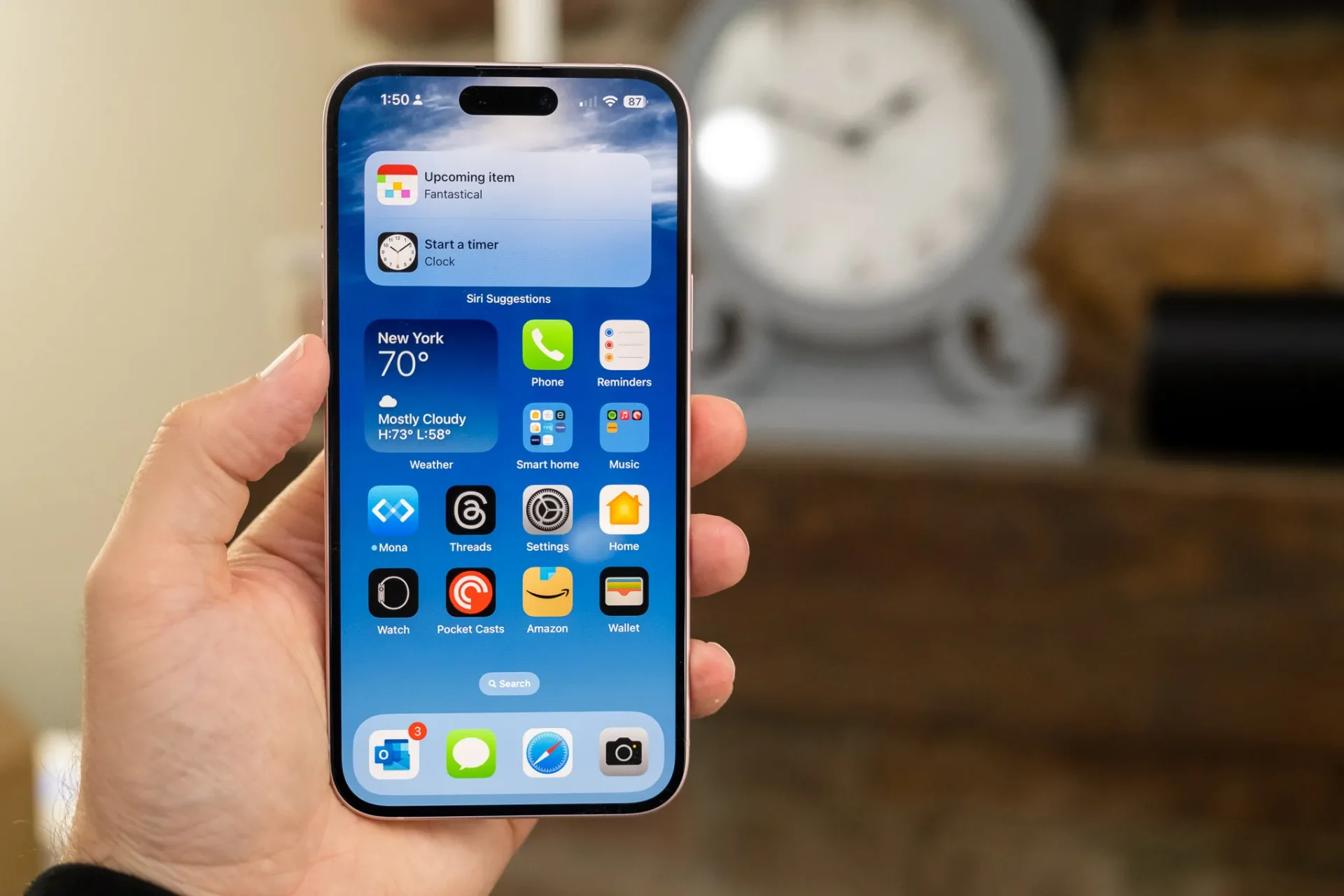
- Display: Likely Super Retina XDR OLED with 120Hz adaptive refresh rate, 6.7-inch or larger
- Chip: A-series chipset (estimated to be up to 3nm process node)
- Memory: Potential downshift to 8GB LPDDR5X (previously 12GB in iPhone 17 Pro)
- Storage: 128GB–1TB options, with A16 chip or equivalent performance
- Power: Expected 4,000mAh+ battery, USB-C port (replacing Lightning), wireless charging support
The move to 8GB would align the iPhone 18 more closely with mid-range models from competitors, raising questions about its positioning in a market where memory capacity has become a key differentiator. For enterprise buyers, this could mean slower adoption of new apps and reduced efficiency in multitasking-heavy workflows.
Supply chain dynamics and industry ripple effects
The surge in RAM prices stems from a combination of factors, including increased demand for AI-driven applications and supply chain disruptions. If Apple proceeds with the 8GB configuration, it could trigger broader changes across the smartphone industry, influencing how other manufacturers approach memory allocation in future devices.
For now, the exact specifications of the iPhone 18 remain unconfirmed, but the financial constraints imposed by RAM costs are undeniable. Whether Apple can mitigate these effects through software optimizations or alternative hardware solutions remains to be seen—but the stakes for enterprise users and developers are clear: memory capacity is no longer just a technical detail; it’s a defining factor in device performance and longevity.