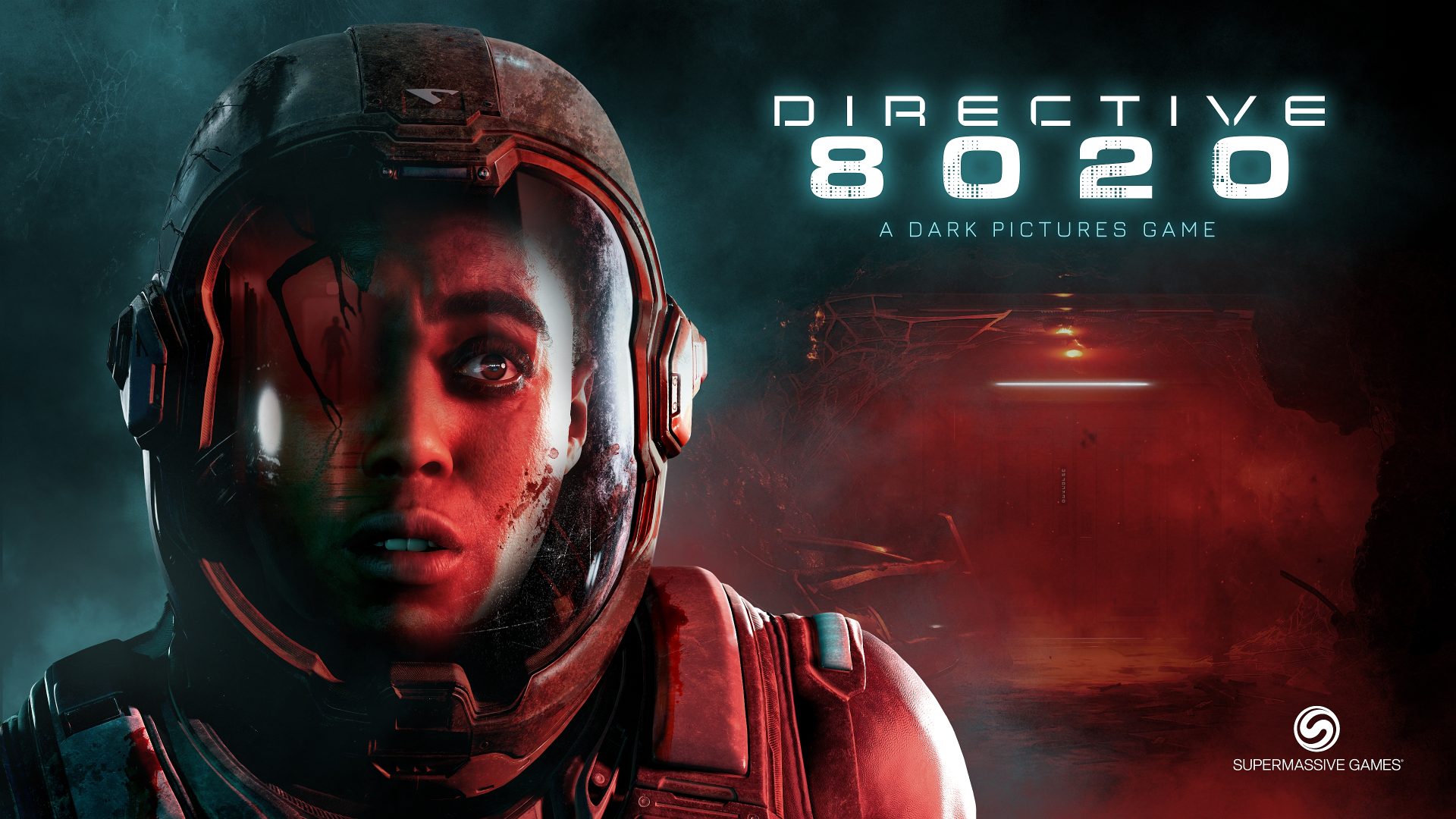
Sci-fi horror has long relied on alien landscapes and cosmic dread to unsettle players, but a new title is taking the genre in a radically different direction—one that prioritizes psychological tension over jump scares. Directive 8020, developed by Supermassive Games, strips away traditional horror tropes in favor of a slow-burn, deeply immersive experience that preys on paranoia and isolation.
The game drops players into a vast, derelict space station where survival isn’t just about avoiding enemies but navigating the fragility of the human mind. Unlike conventional horror titles, Directive 8020 eschews gore and frantic action in favor of an oppressive atmosphere that builds tension through sound design, environmental storytelling, and a narrative that feels both intimate and vast.
Today’s Update: A New Era for Sci-Fi Horror
The game’s development has been marked by a deliberate shift away from conventional horror mechanics. Instead of relying on quick-time events or linear progression, Directive 8020 forces players to confront their own anxieties through exploration and decision-making. The space station itself is a labyrinth of corridors and chambers, each one dripping with atmosphere but devoid of traditional enemies.
- Players must manage limited resources, including oxygen and power, while uncovering the station’s dark history.
- The game features a dynamic audio system that reacts to player movements, creating a sense of unease even in silence.
- A branching narrative allows for multiple endings, though each path is laced with moral ambiguity.
Impact: A Shift in Player Expectations
Directive 8020 isn’t just another horror game—it’s a statement on the future of the genre. By focusing on psychological depth over shock value, it challenges players to engage with fear on an intellectual level rather than a visceral one. This approach could redefine what players expect from sci-fi horror, pushing developers to prioritize atmosphere and narrative complexity over traditional horror elements.
The game’s release signals a potential turning point for the genre, where survival is less about outrunning monsters and more about enduring the weight of solitude in an uncaring universe. Whether this shift resonates with players remains to be seen, but one thing is clear: Directive 8020 is not just a game—it’s a cultural moment waiting to happen.