The M5 Max, Apple's latest chipset, is on track to become a benchmark-setter in mobile computing. While exact specifications are still under wraps, estimated performance metrics hint at a substantial leap forward, particularly in GPU efficiency and raw power. This could position the M5 Max as a formidable contender against even high-end desktop GPUs, blurring the lines between mobile and stationary performance.
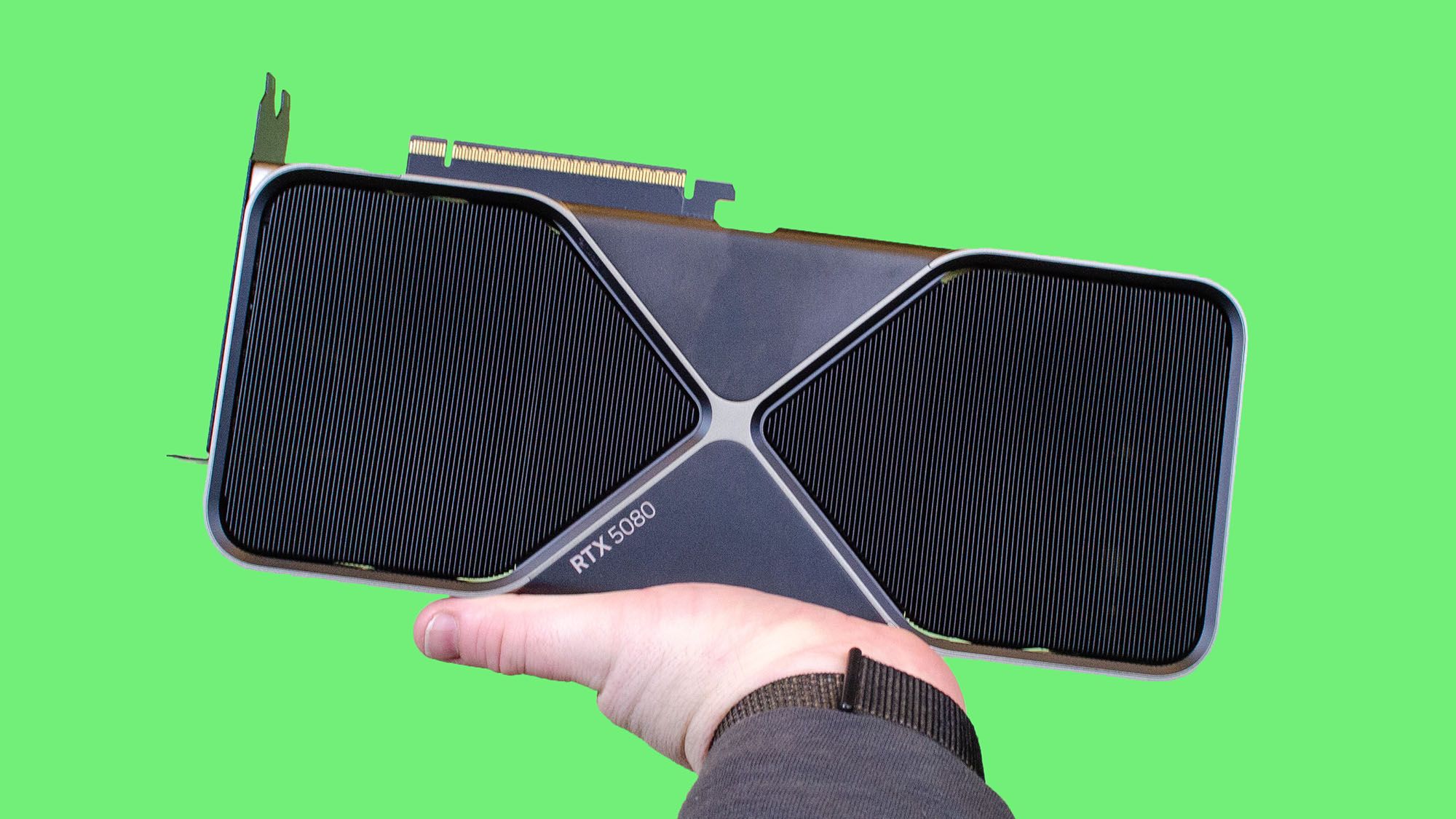
One of the most intriguing aspects of the M5 Max is its estimated Geekbench 6 Metal score, which suggests it could outperform the RTX 5070 Ti—a discrete GPU typically found in high-end laptops. This isn't just a marginal improvement; early estimates place the M5 Max around 34% faster than the M4 Max, with potential to surpass even the 80-core configuration of the M3 Ultra. Such numbers, if accurate, would mark a significant shift in mobile GPU performance, challenging traditional notions of what a laptop can achieve.
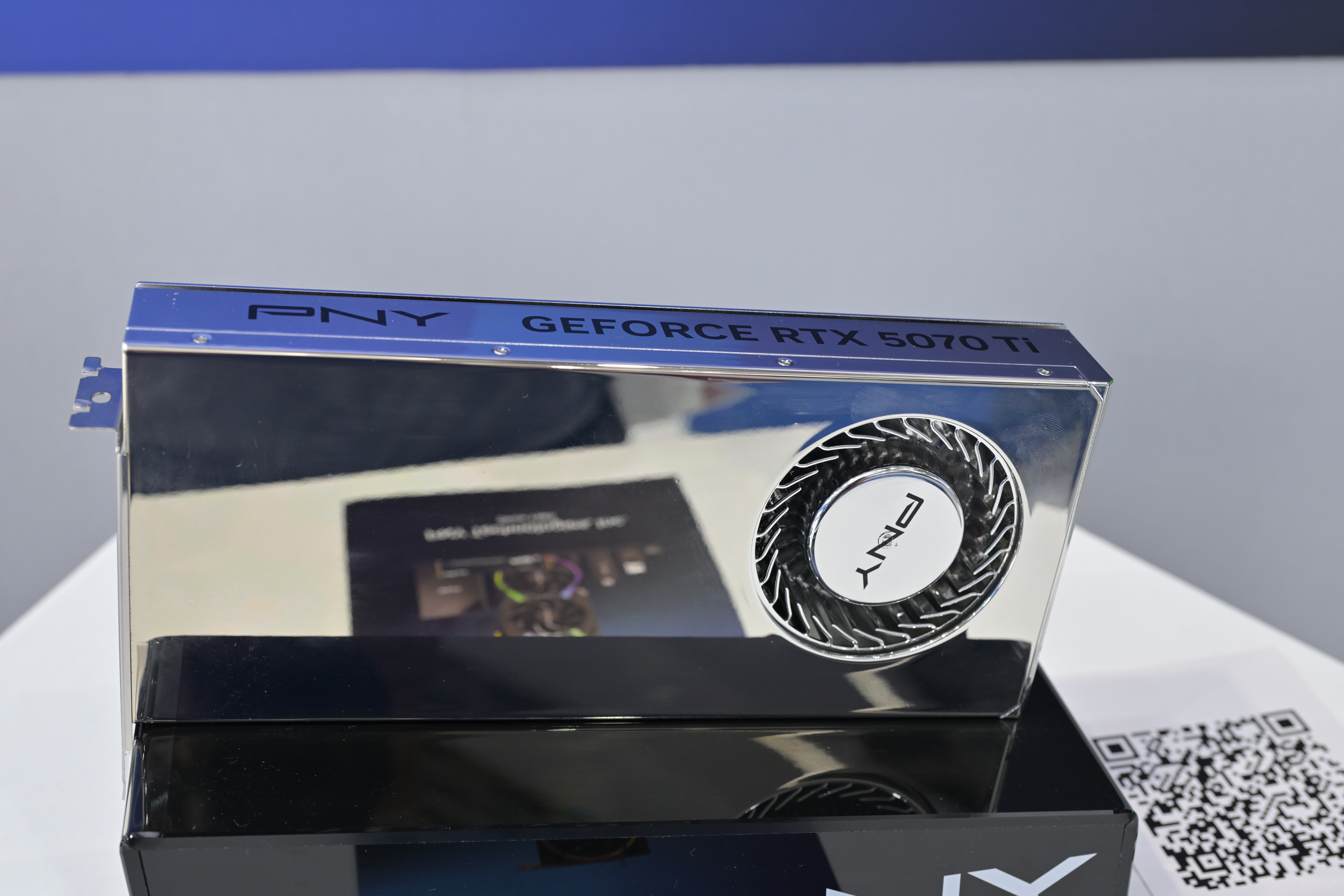
For context, the RTX 5070 Ti is a desktop-class GPU that typically retails around $299 when paired with compatible hardware. Its inclusion in a high-end laptop like the M5 Max would imply not only raw power but also advanced features such as ray tracing and DLSS support—though Apple's approach to GPU integration remains to be seen. The M5 Max's performance, if it meets or exceeds these estimates, could make it a one-chip solution for tasks that once required dedicated desktop hardware.
Under the Hood: What Makes the M5 Max Stand Out?
The M5 Max is expected to build upon Apple's existing unified memory architecture, which has been both its strength and a point of contention. Unlike traditional GPUs that rely on separate VRAM, Apple's approach integrates GPU and CPU memory, allowing for efficient data sharing but also limiting the amount of dedicated GPU memory available. This could mean that while the M5 Max excels in tasks that leverage shared memory, it may not perform as well in scenarios requiring large, dedicated GPU buffers.
However, the potential performance gains are significant. The 40-core GPU configuration of the M5 Max is projected to deliver up to 34% higher scores than its predecessor, the M4 Max. This isn't just about raw benchmarks; it translates to smoother gameplay, faster rendering times, and improved efficiency in tasks like video editing or 3D modeling. If these estimates hold, the M5 Max could become a staple in professional mobile workstations, offering performance that rivals or even surpasses some desktop configurations.
Performance: A New Standard for Mobile GPUs?
The estimated performance of the M5 Max isn't just about beating its immediate predecessors. It's also about setting a new standard for what mobile GPUs can achieve. The RTX 5070 Ti, for example, is known for its strong performance in gaming benchmarks, often delivering frame rates that compete with mid-range desktop GPUs. If the M5 Max matches or exceeds these levels, it would redefine expectations for laptop GPUs, particularly in Apple's ecosystem.
This could be especially relevant for professionals who rely on mobile workstations for tasks like 3D rendering, video editing, or even AI-related workloads. The M5 Max's ability to handle such demands efficiently—without the need for external hardware—would make it a compelling choice for creatives and developers alike. However, the trade-off lies in the unified memory architecture, which may limit performance in certain scenarios where dedicated GPU memory is crucial.
Key Specs: What We Know So Far
- CPU: Core i7-12700H (expected)
- GPU: 40-core configuration, estimated to outperform RTX 5070 Ti in gaming benchmarks
- Memory: Unified architecture with potential for higher RAM counts compared to previous generations
- Performance: Estimated 34% faster than M4 Max in Geekbench 6 Metal scores, potentially surpassing the 80-core M3 Ultra
The key specs of the M5 Max suggest a chipset that is not just an incremental upgrade but a generational leap. The Core i7-12700H, if included, would provide strong multi-threaded performance, complementing the GPU's capabilities. However, the lack of dedicated VRAM remains a concern for tasks that require large texture or buffer sizes, such as high-resolution 3D rendering.
Despite this, the M5 Max could still be a game-changer for mobile computing. Its estimated performance suggests it could handle complex workloads with ease, making it suitable for professionals who need both power and portability. The challenge will be balancing this performance with battery life and thermal management, which are critical factors in mobile devices.
Looking Ahead: What This Means for Users
The M5 Max's potential performance could have significant implications for users, particularly those in creative or technical fields. If it delivers on its estimated benchmarks, it could make high-end desktop-like performance accessible in a portable form factor. This would be a major shift, as users would no longer need to choose between power and portability.
However, the price tag is likely to be steep. Apple's premium positioning means that devices equipped with the M5 Max will probably come at a high cost, reflecting both the advanced technology and the potential memory constraints. Users will need to weigh the benefits of raw performance against the limitations of unified memory, deciding whether the trade-offs are worth it for their specific workflows.
For now, the M5 Max remains a chipset in development, with its official launch expected in the first half of 2026. While estimated benchmarks provide an exciting glimpse into what's possible, the real-world performance will depend on how Apple optimizes both hardware and software. If it lives up to expectations, the M5 Max could redefine what mobile computing is capable of, setting a new benchmark for future generations.