Small businesses relying on ultra-efficient mobile workstations are facing a sudden shift in cost. ASUS has raised the price of its Snapdragon X2 Elite laptops shortly after initial reviews highlighted their power-per-watt performance, a move that complicates purchasing decisions for organizations prioritizing both battery life and thermal management.
The Snapdragon X2 Elite platform, built on ARM architecture with up to 12GB LPDDR5X RAM and 2TB NVMe storage, was designed to deliver desktop-like performance in a thin-and-light form factor. Its efficiency—achieved through advanced power delivery and cooling solutions—has made it a standout for small teams needing long runtimes without compromising on processing power. However, the recent price increase, which has not been accompanied by hardware upgrades, signals a broader trend where supply chain constraints force manufacturers to re-evaluate pricing models.
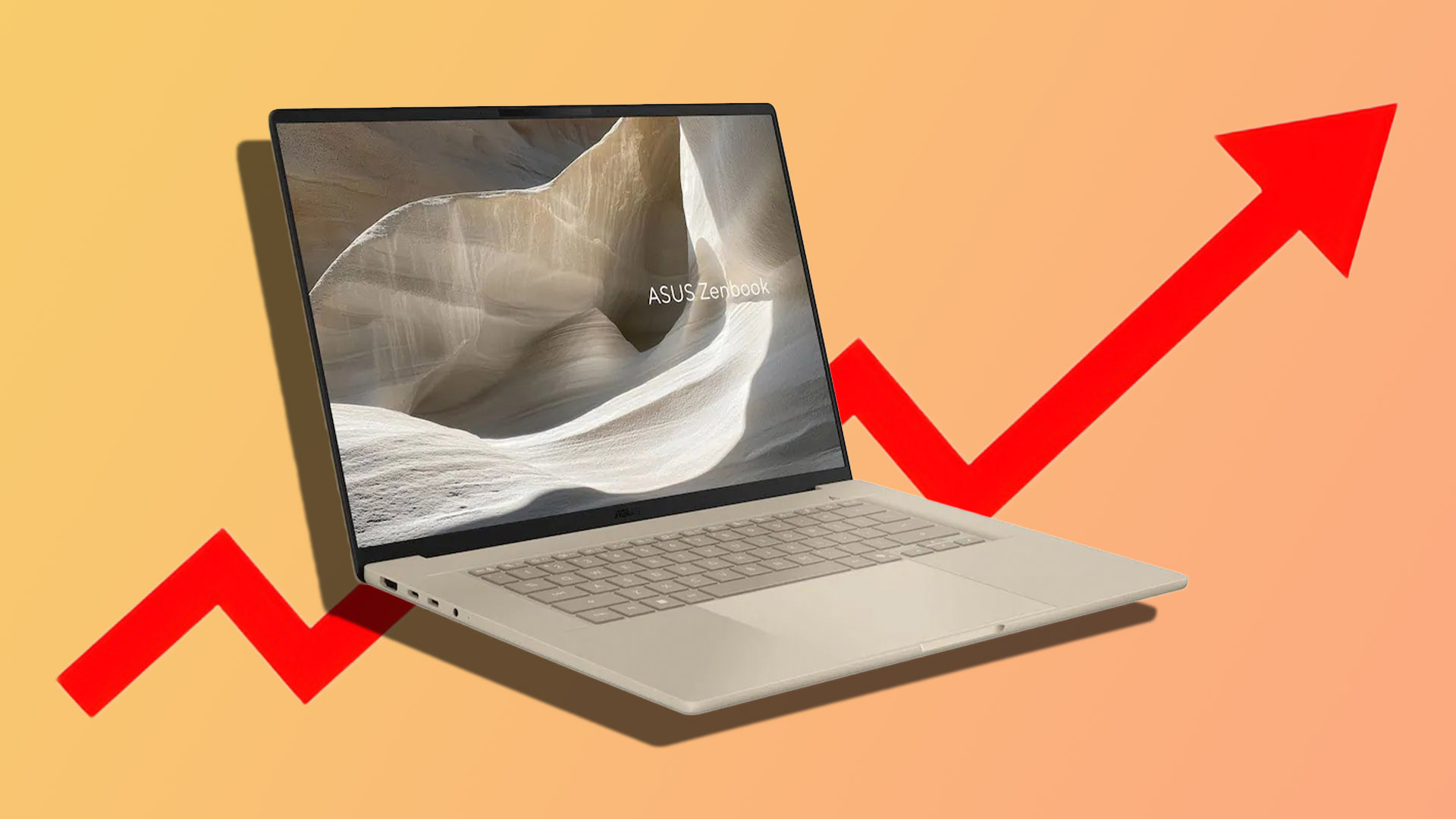
- Key specs:
- Platform: Qualcomm Snapdragon X2 Elite (ARM)
- RAM: Up to 12GB LPDDR5X, 6400MHz
- Storage: Up to 2TB NVMe PCIe 4.0
- Display: 13.4-inch or 14-inch OLED or IPS, 2880x1800 resolution
- Connectivity: Wi-Fi 6E, Bluetooth 5.2, dual-band 2.4/5GHz
- Ports: Thunderbolt 4 (USB-C), USB-A, HDMI 2.1, microSD reader
- Thermals: Vapor chamber cooling with active fan control
- Battery: Up to 50 Wh, claimed 16–20 hour runtime on OLED models
The price adjustment comes at a time when small businesses are increasingly scrutinizing total cost of ownership. The Snapdragon X2 Elite laptops were positioned as alternatives to x86-based machines, offering better energy efficiency without sacrificing performance. Yet, the new pricing—now starting around $1,499 for base configurations—may push some buyers toward Intel or AMD options, even if those platforms require more power and generate more heat. This shift could reshape market dynamics, particularly in sectors like remote work or field operations where battery life is critical.
What remains uncertain is whether the price increase will be temporary or a permanent adjustment to reflect long-term supply chain costs. If sustained, it may narrow the cost advantage that made ARM-based laptops attractive for small businesses. For now, organizations evaluating these machines should weigh the immediate price impact against the potential savings in operational costs—such as reduced energy consumption and longer battery life—that the Snapdragon X2 Elite platform was built to deliver.