Tech analysts often project bold futures based on a single statement from industry leaders. Recently, Jeff Bezos' observation about data centers has sparked speculation that home PCs are becoming obsolete—replaced by cloud-streaming devices like GeForce Now. But the reality is more nuanced.
Bezos’ analogy during a 2024 interview compared companies building their own power stations to today’s data center model, suggesting a future where compute resources are sourced from hyperscale cloud providers. However, this vision targets large enterprises, not individual consumers. The home PC remains a dominant force in gaming and productivity.
- Bezos’ focus: Enterprise data centers, not home PCs.
- Cloud growth driver: AI demand, not consumer streaming.
- PC market health: Hundreds of millions sold annually.
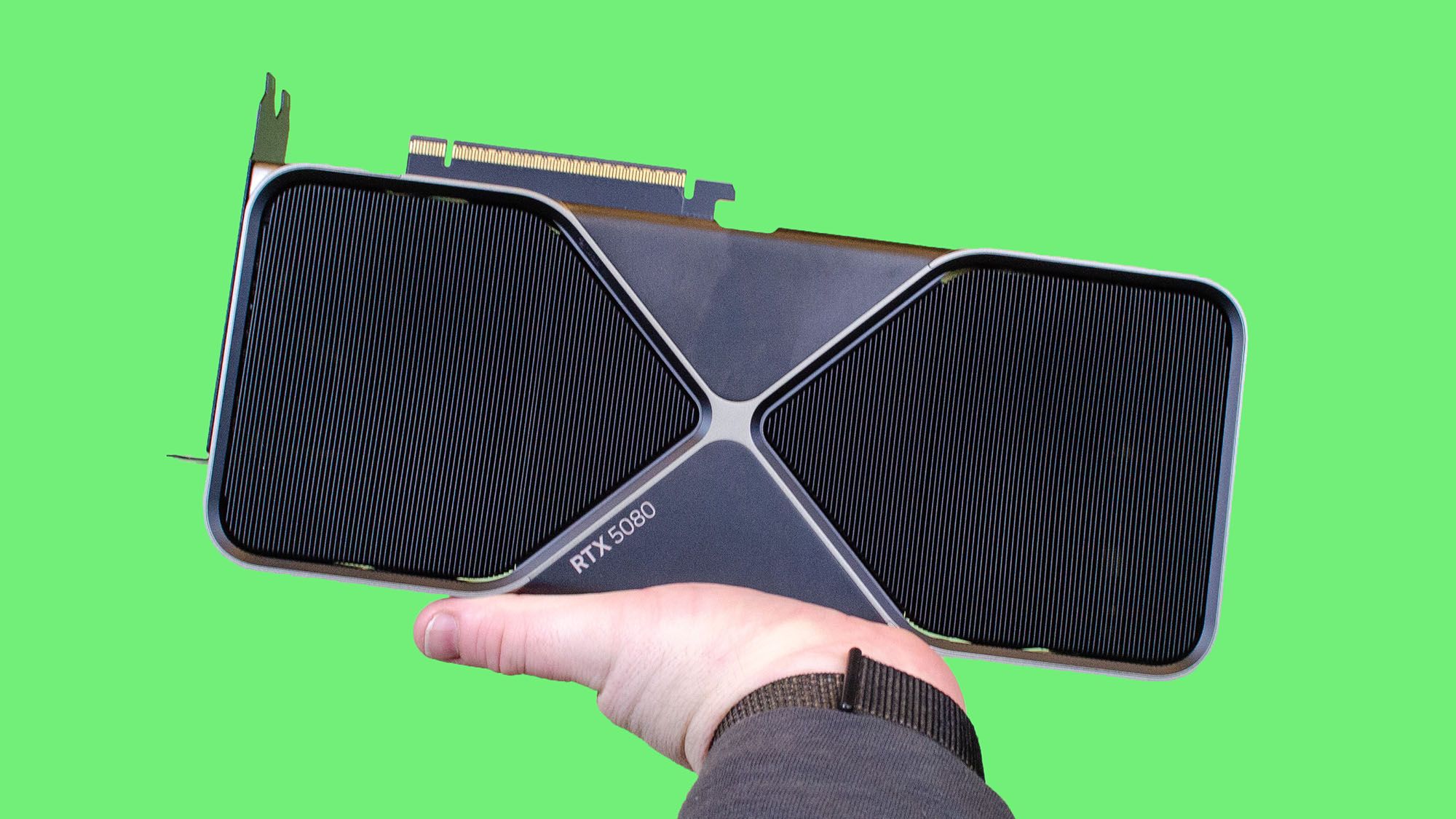
While cloud computing has surged—especially with AI workloads—major hardware firms like Nvidia still prioritize selling high-end GPUs over streaming services. GeForce Now generates far less revenue than traditional GPU sales, proving that local performance remains critical for gamers and creatives.
The misconception stems from conflating enterprise trends with consumer behavior. Hyperscalers now dominate data center spending, but home PCs continue to thrive, with no signs of decline. Bezos’ insight was about efficiency in large-scale computing, not the end of personal devices.
Industry leaders recognize this balance. AMD, Intel, and Microsoft invest heavily in both cloud infrastructure and local hardware innovation. The shift to cloud isn’t replacing PCs—it’s complementing them. Consumers still demand powerful, locally processed experiences for gaming, design, and development.
The narrative around Bezos’ remarks oversimplifies a complex transition. Cloud computing will grow, but the home PC isn’t going extinct. Both models coexist, serving distinct needs in an era where AI accelerates data center demand without diminishing local hardware’s role.