DDR5 Memory Prices Skyrocket: A Shocking Economic Reality
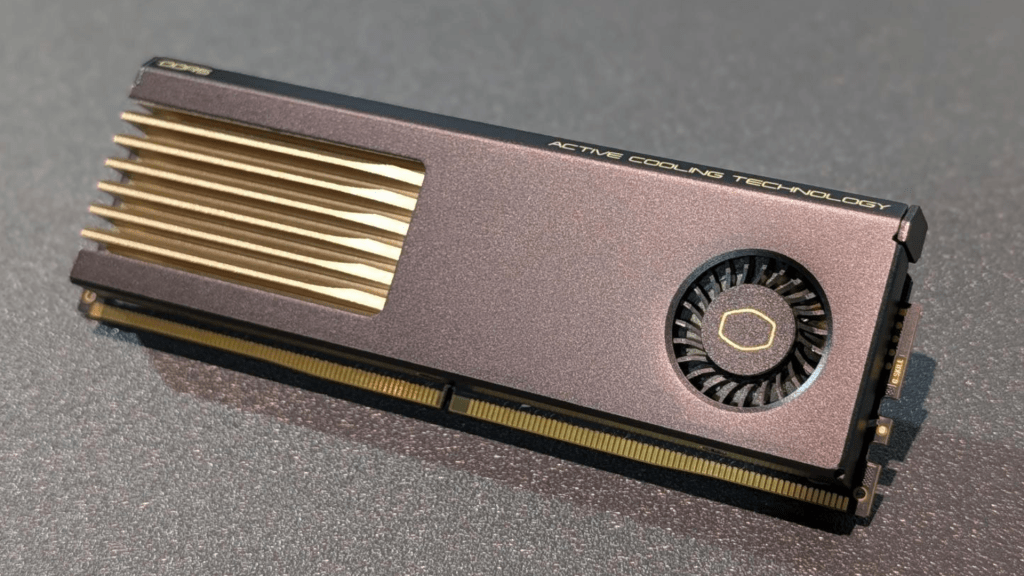
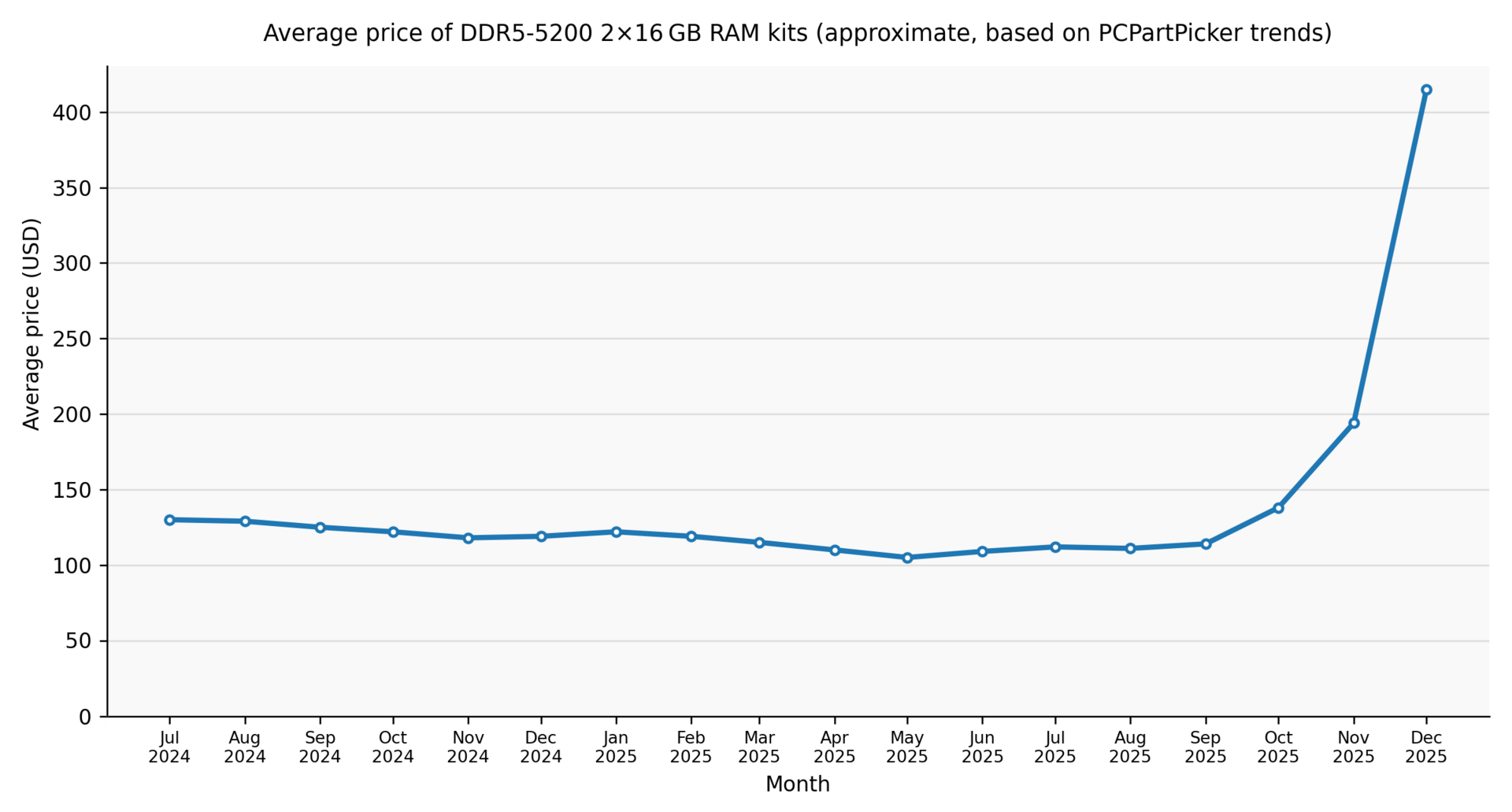
The dynamic world of computer memory is currently experiencing a period of extreme volatility, with DDR5 module prices reaching levels previously considered unimaginable. Recent analysis suggests that the cost of acquiring even a small number of these modules could rival the price of property in certain markets, most notably China. This situation underscores the significant challenges and ongoing shortages impacting the DRAM supply chain.
The Driving Force: AI Demand and Supply Constraints
Several factors are converging to fuel this dramatic price surge. Primarily, the burgeoning demand from artificial intelligence (AI) applications is exerting immense pressure on existing DDR5 supplies. The rapid development and deployment of large-scale AI models require vast amounts of memory for training and inference – a need that’s significantly outstripping current production capacity.
Beyond the AI sector, broader PC market demand continues to contribute to the overall scarcity. As new generations of high-performance computers are released, requiring DDR5 modules, the existing supply struggles to keep pace. This creates a classic supply and demand imbalance, driving prices upwards.
Specific Price Points: A 256GB Module Costs Thousands
Reports indicate that in certain regions, particularly China, the cost of DDR5 memory has reached staggering heights. Recent data suggests that a 256 GB DDR5 module is retailing for approximately $5,700. This figure highlights just how dramatically prices have increased and demonstrates the severity of the current situation.
Impact on PC Performance and Cost
The high cost of DDR5 directly impacts the overall cost of building or upgrading a modern gaming or workstation PC. While DDR5 offers significant performance improvements over its predecessors – particularly in bandwidth and latency – the premium associated with these modules is currently disproportionately high. Consumers are facing increased investment costs for achieving desired levels of system performance.

Looking Ahead: Factors Influencing Future Price Trends
Several factors will likely influence future DDR5 price trends, although predicting precise movements remains challenging due to the inherent volatility of the memory market. Here's a breakdown
- Increased Production Capacity:** DRAM manufacturers are gradually increasing their production capacity, but this process is complex and time-consuming. Significant increases in output will take considerable time to materialize.
- Geopolitical Factors:** Global trade tensions and geopolitical instability can disrupt supply chains and further exacerbate shortages.
- Technological Advancements:** The development of new DDR5 technologies (e.g., faster speeds, higher capacities) could potentially impact demand and pricing.
- AI Demand Evolution:** The specific demands of the AI sector are constantly evolving. A shift in priorities or a slowdown in AI development could ease pressure on memory supplies.
Alternative Solutions and Considerations
For consumers concerned about the high cost of DDR5, several alternative strategies can be considered
- Wait for Price Drops:** As supply increases (eventually), prices are likely to stabilize or even decrease.
- Consider Older Memory Technologies:** While not ideal for demanding applications, DDR4 memory remains a viable option for many users and is significantly cheaper than DDR5.
- Optimize System Configuration:** Careful system configuration – including selecting the appropriate CPU and GPU – can minimize memory requirements.
The current situation with DDR5 prices serves as a stark reminder of the interconnectedness of the tech industry and the profound impact that specific sectors, like AI, can have on global supply chains. Continued monitoring of the DRAM market is crucial for understanding future trends and making informed purchasing decisions.