Noctua, known for its premium cooling solutions, has partnered with Carbice to bring advanced carbon nanotube thermal pads directly to consumers, marking a shift in how DIY PC builders approach thermal management.
The collaboration focuses on the Carbice IP90 thermal pad, which promises consistent performance without degradation over time. Unlike traditional thermal pastes that require periodic reapplication, this pad is engineered to improve heat transfer as the system ages, addressing a long-standing challenge for enthusiasts and professionals alike.
What sets the Carbice IP90 apart is its vertically aligned carbon nanotube structure, anchored to an aluminum backbone. This design ensures mechanical robustness during installation while delivering superior thermal performance. The pad’s nanoscale polymer coating further enhances durability, making it suitable for high-performance applications beyond consumer PCs, including aerospace and AI data centers.
- Performance that improves with use due to nanotube conformity to surface microstructures.
- Clean, repeatable installation without the need for syringes or spread patterns.
- Zero maintenance—no reapplication required, eliminating performance degradation over time.
The Noctua NT-CP1 AM5/4 variant is specifically validated for AMD Ryzen AM5 and AM4 processors. It will be showcased at Computex 2026 and made available for purchase in September 2026, offering a pre-applied solution that simplifies the cooling process for users.
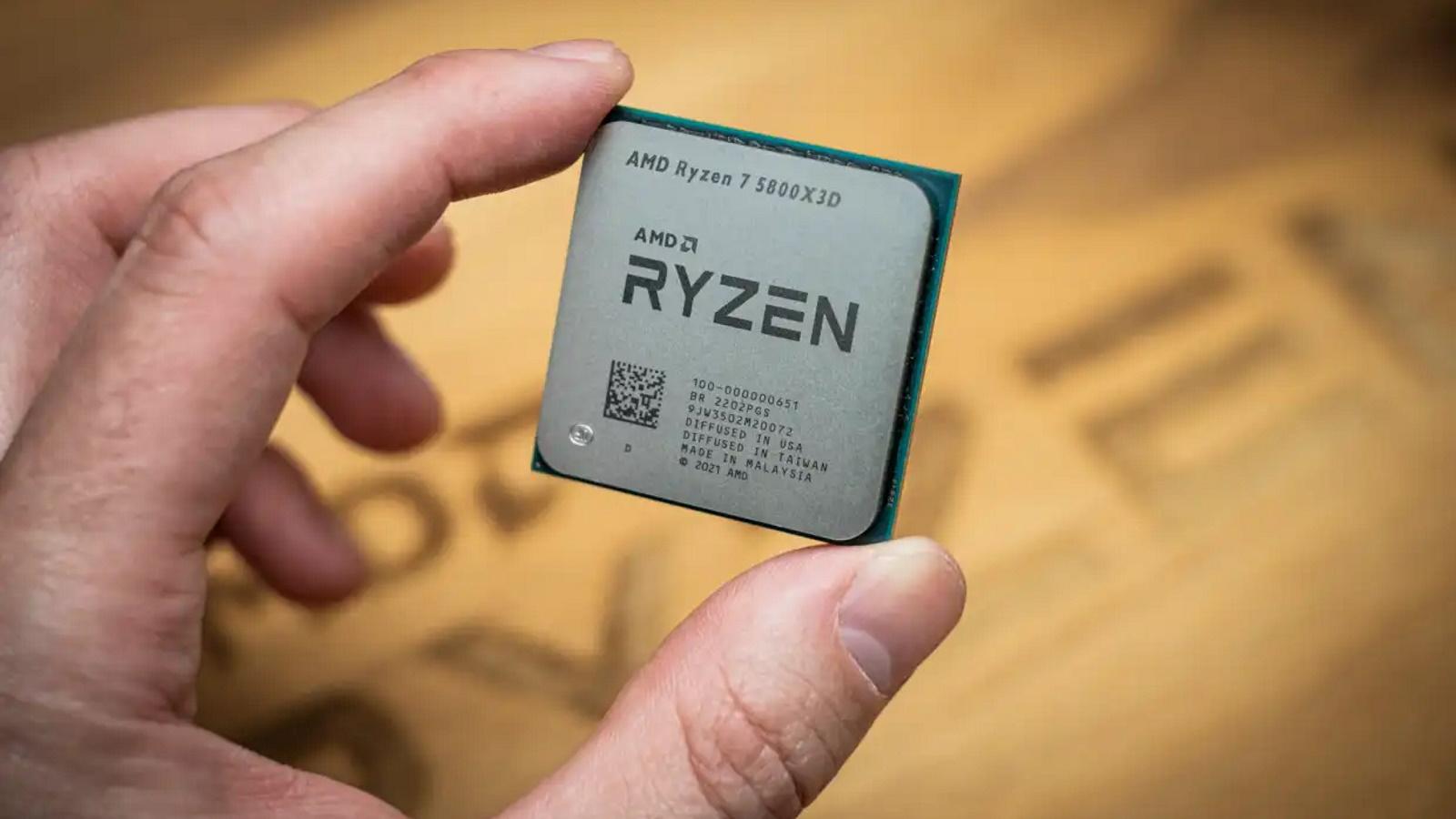
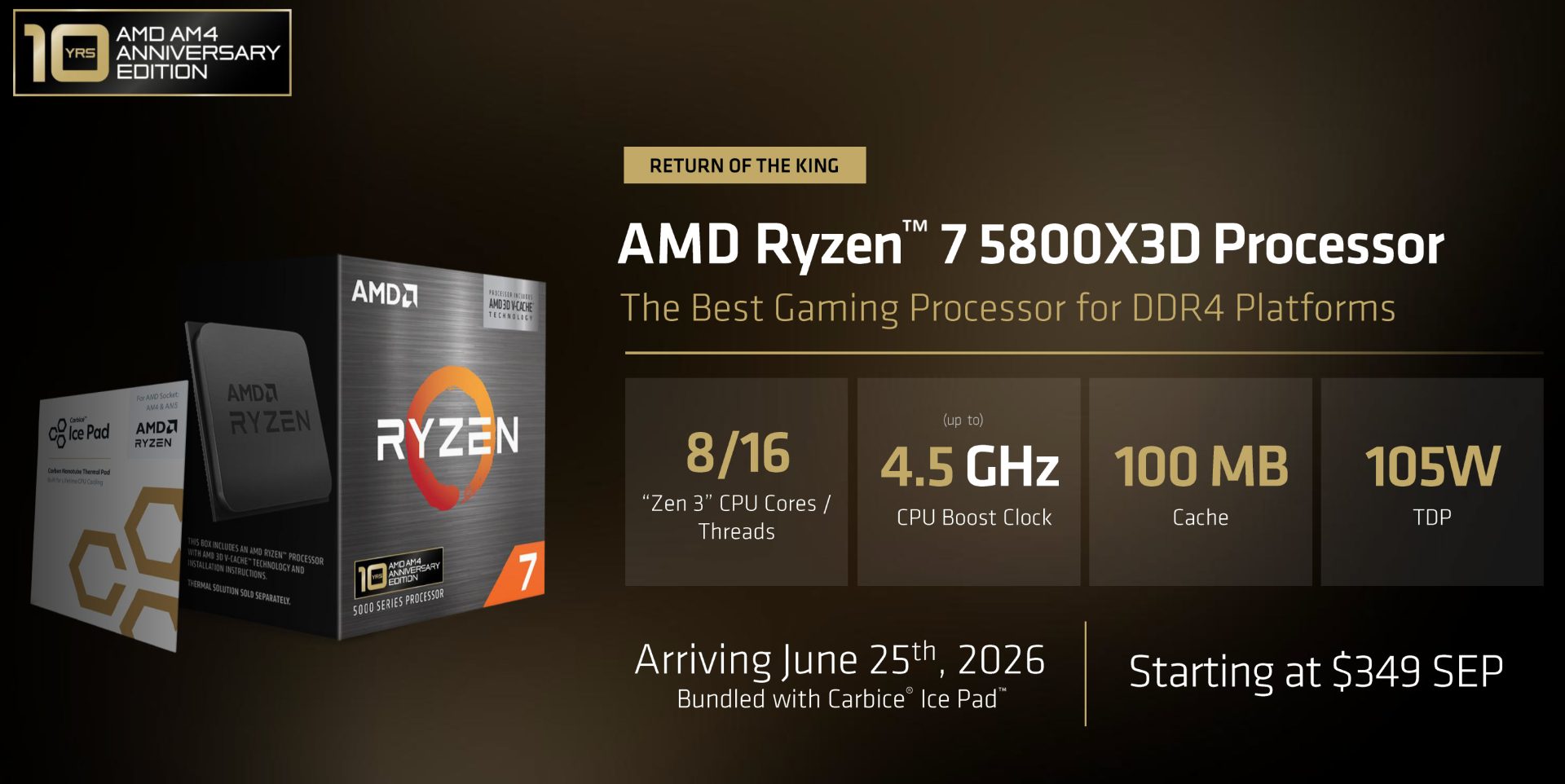
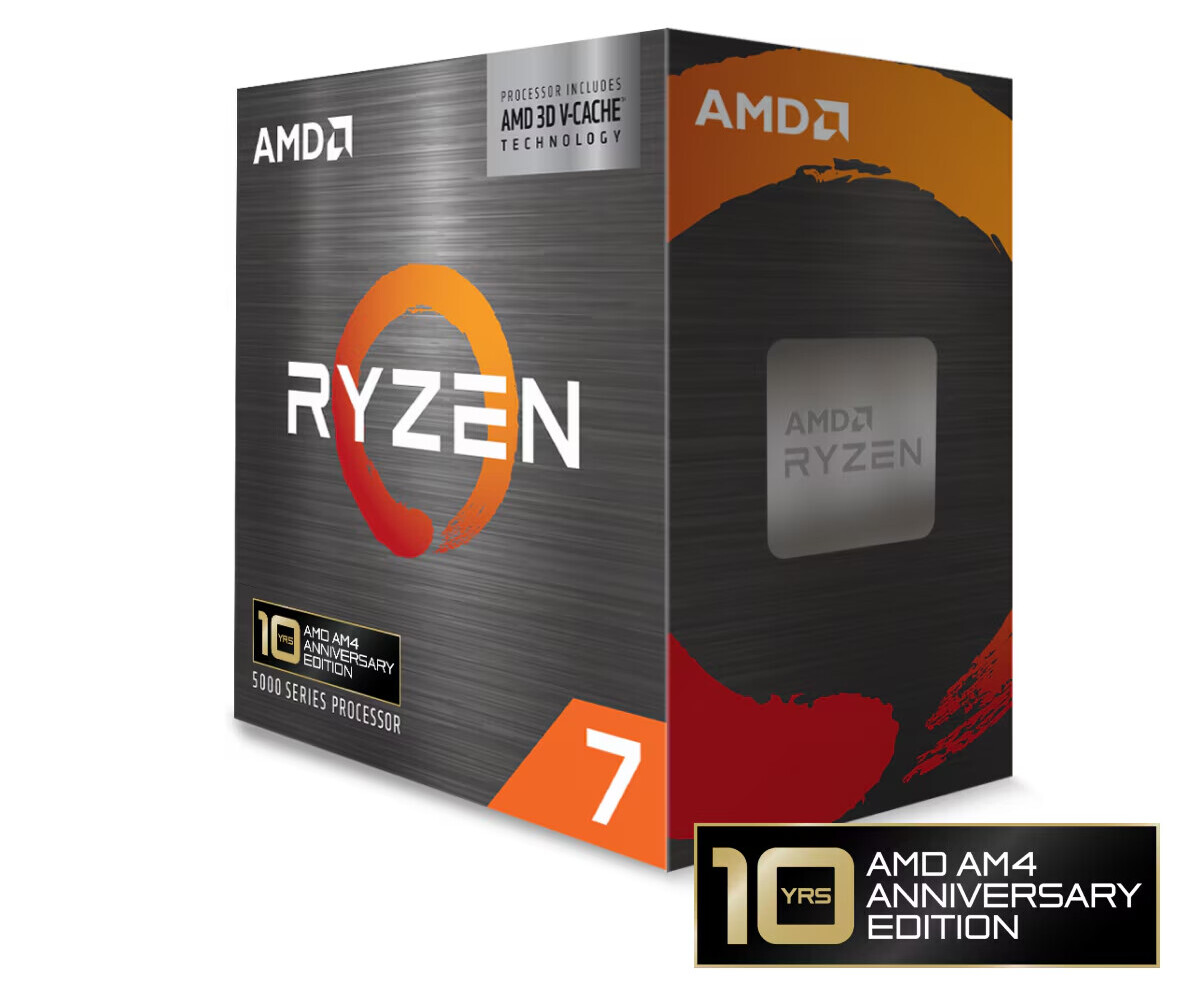
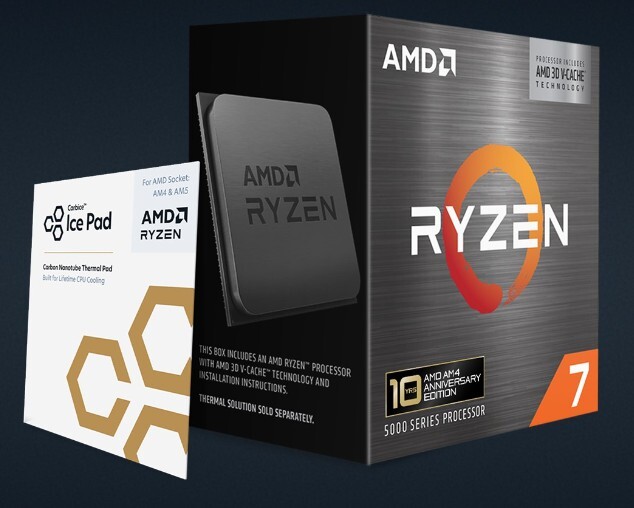
This partnership builds on Carbice’s existing applications, such as its inclusion with AMD’s Ryzen 7 5800X3D bundle. For DIY builders, it represents an opportunity to achieve long-term thermal stability without the hassle of maintenance, aligning with Noctua’s reputation for quiet and reliable cooling solutions.
The introduction of this technology could redefine expectations for thermal interface materials in consumer PCs, setting a new benchmark for performance and convenience. As both companies continue to innovate, future developments may further expand its use across high-stakes computing environments.