The game’s combat system is its defining innovation. Nezha’s movements blend the precision of a fighting game with the fluidity of a sword-and-sorcery hero, allowing players to pivot between grounded parries and midair combos. Water-based attacks—inspired by the martial art Jeet Kune Do—enable dynamic ripostes, while relics like the Firewheel or Windblade grant temporary godlike abilities. Boss fights, numbering over 60, force players to adapt strategies on the fly: Yi the Sun Shooter requires dodging solar flares, while Yu the Great demands exploiting terrain to disrupt his tidal waves.
The narrative structure reinforces this intensity. Unlike sprawling open worlds, Nezha unfolds as a relentless march through Pangu’s corpse, with each hub—a dragon’s spine, a mountain’s heart—serving as a staging ground for both story and combat. The three endings aren’t just unlockable; they’re reactive, shaped by choices in dialogue, relic usage, and even boss tactics. A pacifist path might spare a mythic antagonist, while a ruthless one could doom the world to Pangu’s rebirth.
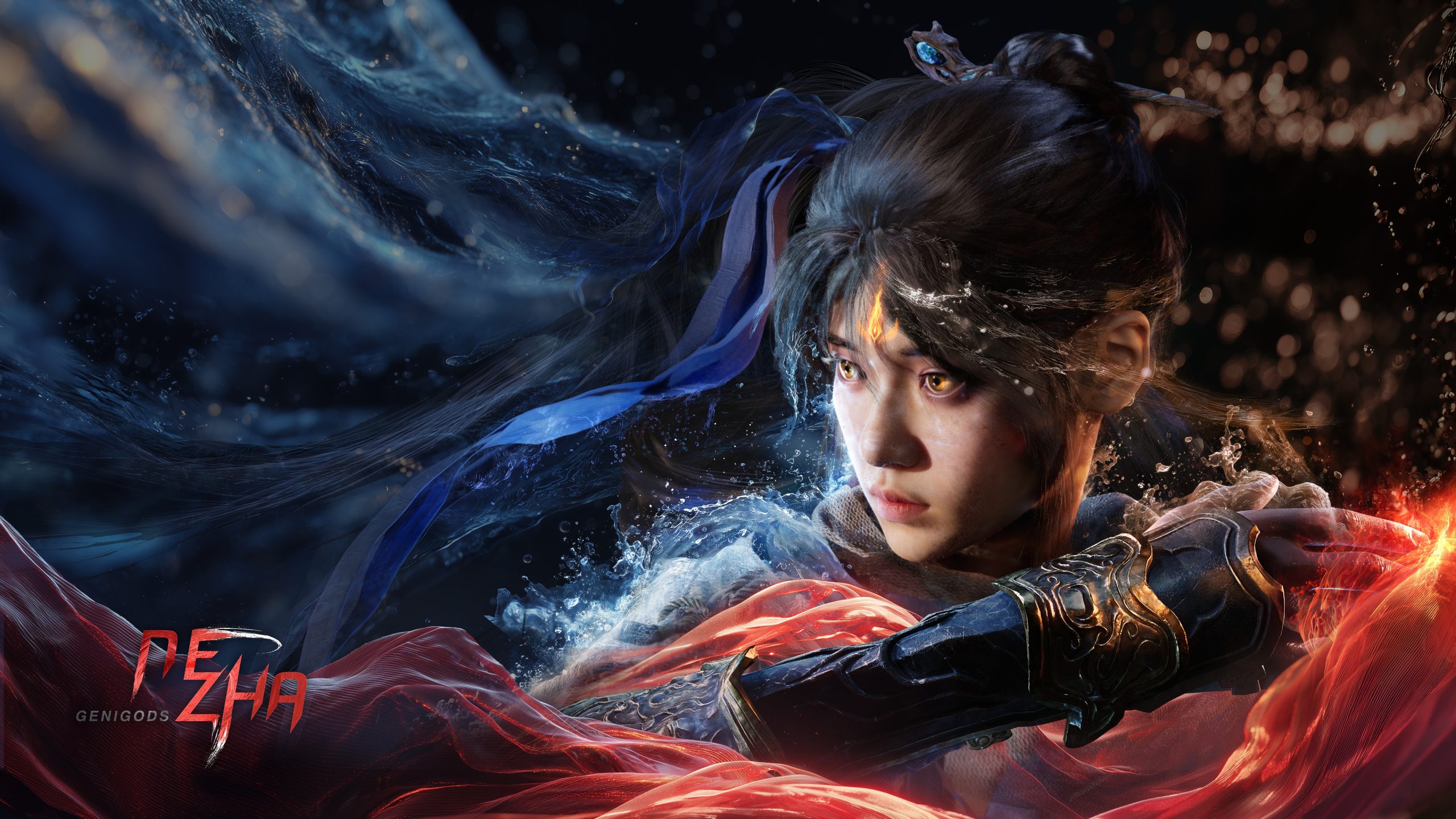
Performance-wise, the game leverages Unreal Engine 5.7 to deliver ray-traced environments and DLSS/FSR support on PC and PlayStation 5 (including the Pro model). SSD optimization ensures fast load times, though the sheer density of content—24 hours of main story, 75 hours for completionists—suggests even modern hardware will be tested by the sheer scale of assets.
What Nezha suggests is a shift in how mythic RPGs are designed. Instead of world-building, it prioritizes *combat-building*—a linear, punishing experience where every second spent outside a fight feels like a strategic concession. For fans of *God of War 3*’s boss-heavy design or *Sekiro*’s precision combat, it’s a return to form. For others, it may feel like a test of endurance.
The release window—2027 or 2028—hints at a project still in refinement, but the ambition is undeniable. GeniGods Lab isn’t just adapting Chinese mythology; it’s forging a new template for how epics are played.