Data centers are eating the power grid alive. Not just in demand, but in architecture. The latest front in this battle isn’t a new GPU or AI model—it’s an 800-volt DC overhaul, one that could redefine how servers draw power long before gamers see its ripple effects.
This shift isn’t about raw performance metrics or frame rates. It’s about survival: keeping the lights on while the grid struggles to keep up. By mid-2026, industry leaders are betting that 800V DC will become the default, but the path is fraught with tradeoffs—some of which may not be fully visible yet.
The core challenge is simple: voltage drops when power travels through long cables. In a 48V system, losses can hit 10-20%, depending on distance. Scale that to thousands of servers, and inefficiency becomes a crisis. The proposed solution? Jumping to 800V DC, which cuts those losses nearly in half. But higher voltage means stricter insulation requirements, heavier components, and a power infrastructure that doesn’t yet exist at scale.
What’s Changing—and When
Key details are still emerging, but the direction is clear
- Voltage leap: From 48V to 800V DC in data center power distribution units (PDUs). This isn’t a minor bump—it’s a factor of 16 higher.
- Efficiency gain: Estimates suggest power loss could drop from ~15% to as low as 3-5%, assuming perfect implementation. Real-world numbers will lag.
- Timing: Industry roadmaps point to Q3 2026 for the first major deployments, but widespread adoption is likely a decade out.
The catch? This isn’t just about swapping cables. It requires new power supplies, reworked server designs, and a grid that can handle higher voltage inputs. Most existing infrastructure won’t be compatible without significant retrofitting.
Why Gamers Should Care (Eventually)
For now, the impact on gaming is indirect—but it could be profound in the long run. Higher efficiency means more power per watt, which translates to either cooler runs at the same load or more performance for the same heat budget. That’s a gamer-facing benefit, but it won’t arrive overnight.
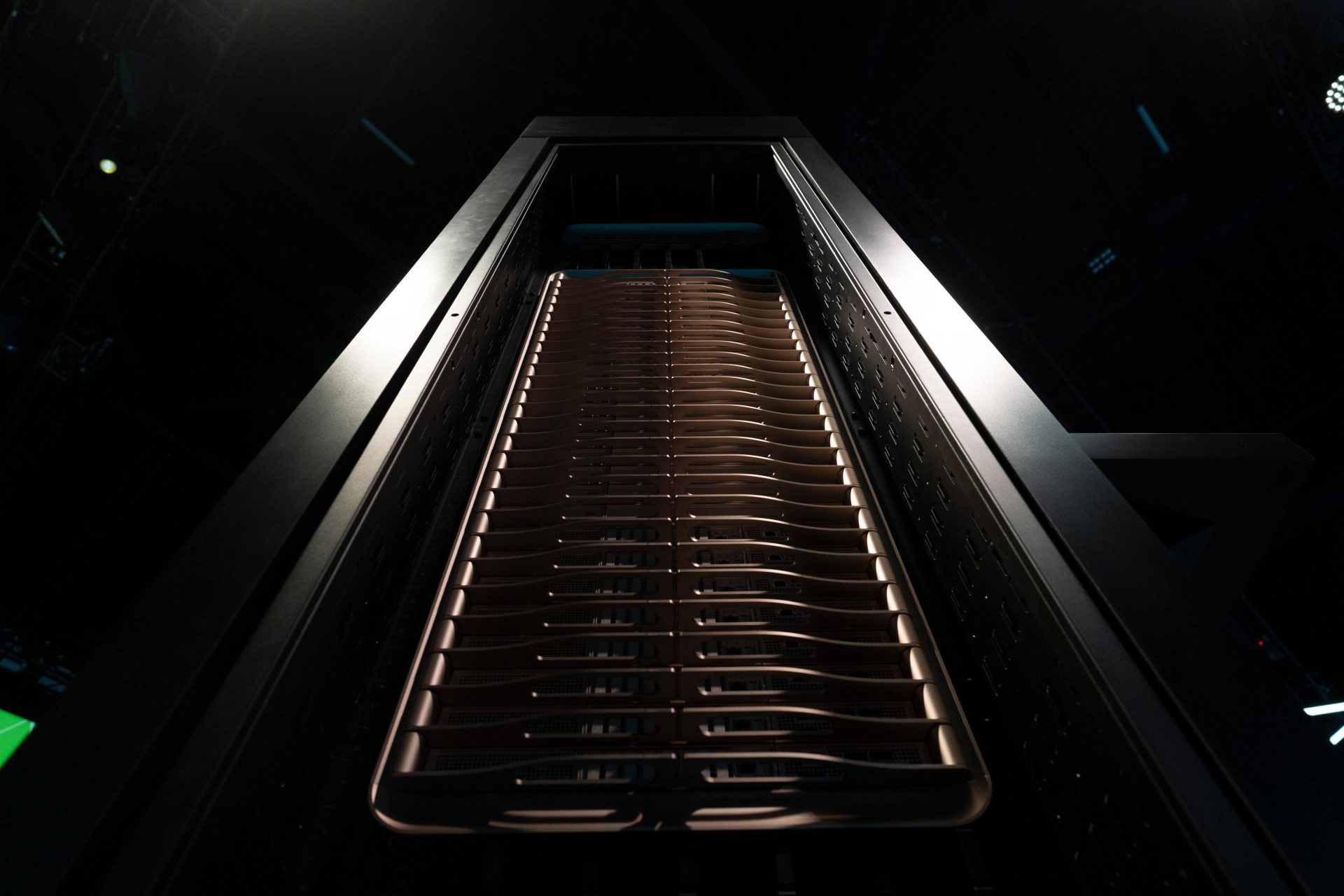
More immediately, this shift could accelerate the move toward unified power architectures. Today, servers often use 12V for CPUs and GPUs while other components rely on 48V or 240V AC. An 800V DC backbone could unify that, simplifying design but also forcing hardware manufacturers to rethink how they distribute power internally. The first wave of 800V-compatible systems may arrive as late as 2027-2028, with widespread adoption lagging further.
The bigger question is whether the grid can keep pace. Data centers are already consuming 1-2% of global electricity annually and growing at 6-9% year-over-year. If 800V DC becomes standard, the strain on local power networks could spike unless utilities upgrade en masse—a process that’s likely to be uneven.
What’s Next: A Two-Step Gamble
The 800V DC push is a gamble with two phases. The first is proving it works in lab settings and small-scale deployments, which may happen by late 2025. The second is convincing utilities, hardware makers, and cloud providers to adopt it en masse—a process that could take until the late 2030s.
For gamers, the most immediate ripple effect might be in server-side efficiency, leading to faster response times or more stable connections. But the real story is about sustainability: can data centers grow without choking the grid? The answer may hinge on how quickly this shift scales—and whether the tradeoffs are worth it.
The single most important change isn’t the voltage itself—it’s the acknowledgment that the old power model is broken. Whether 800V DC becomes the solution or just another stepping stone remains to be seen. But one thing is certain: the grid won’t get any younger, and neither will the data centers pushing against it.