Your phone’s AI just got a performance boost, but you might not feel it yet.
A fresh memory design, borrowing from High Bandwidth Memory (HBM) technology, is making its way into smartphones—bringing with it promises of lower latency and higher bandwidth. This isn’t just about speed; it’s about efficiency. The new architecture aims to deliver 1.5 times the bandwidth of traditional solutions while keeping temperatures cooler. That’s the upside—here’s the catch: whether this translates into noticeable improvements for gamers or AI tasks remains uncertain.
The shift is part of a broader trend in smartphone memory, where manufacturers are looking to integrate more complex designs to handle the demands of on-device AI. HBM has long been associated with high-performance computing, but its principles—like stacking DRAM layers and integrating logic—are now being adapted for mobile devices. The result? A potential leap forward in how smartphones process data locally, reducing reliance on cloud-based solutions.
The New Architecture: What’s Changing?
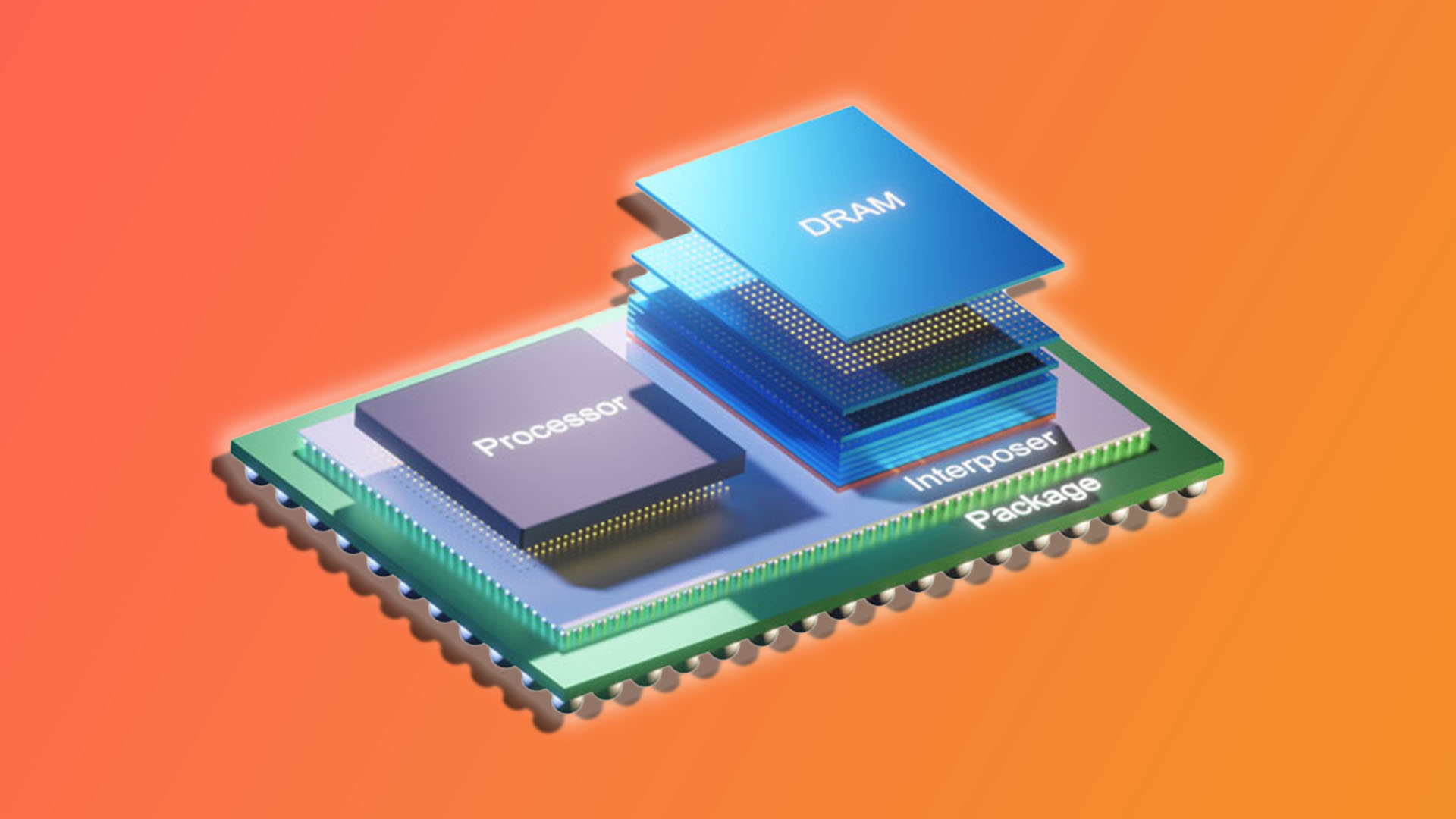
Traditional smartphone memory, like LPDDR5X, has been the workhorse for mobile devices, offering a balance of speed and power efficiency. But as AI tasks grow more complex, the limitations of this architecture become clearer. Enter Low Latency Wide DRAM (LLWD), which takes cues from HBM’s integrated design. Unlike traditional DRAM, LLWD stacks multiple layers vertically, reducing the distance data travels between memory and logic chips. This reduces latency and increases bandwidth—critical factors for AI workloads.
The key advantage? Bandwidth. The new architecture promises 1.5 times the bandwidth of current solutions, which could translate into faster AI processing, smoother gaming experiences, or more efficient background tasks. But bandwidth alone doesn’t guarantee performance improvements. Temperature management is another critical factor, and LLWD claims to keep thermal output in check—a potential game-changer for devices that already struggle with heat under load.
Gamers: What Does This Mean for You?
For gamers, the promise of higher bandwidth could mean more fluid gameplay or faster load times. But whether this translates into a noticeable difference depends on how well manufacturers optimize their software and hardware around this new architecture. Current benchmarks suggest that LLWD could outperform LPDDR5X in AI-related tasks, but real-world performance will hinge on implementation.
That said, the transition isn’t without challenges. HBM’s integration into smartphones introduces complexity—both in design and manufacturing. The stacking process requires precision, and not all manufacturers may be equipped to handle it immediately. This could lead to a gradual rollout, with early adopters seeing the benefits first.
The bigger question is whether this architecture becomes the new standard or remains a niche solution. HBM has been a staple in high-performance computing for years, but its adoption in smartphones is still in its infancy. If LLWD proves reliable and efficient, it could pave the way for more advanced on-device AI capabilities—potentially reshaping how smartphones handle complex tasks.
- LLWD promises 1.5 times the bandwidth of traditional smartphone memory.
- Temperature management is a key focus, potentially reducing thermal throttling.
- Early benchmarks suggest improvements in AI processing, but real-world performance depends on optimization.
- The transition to LLWD could be gradual, with early adopters leading the way.
For now, this new architecture remains an exciting development, but its impact on everyday smartphone use is still unconfirmed. Whether it delivers on its promises or fades into the background will depend on how well manufacturers adapt—and how quickly consumers embrace these changes.