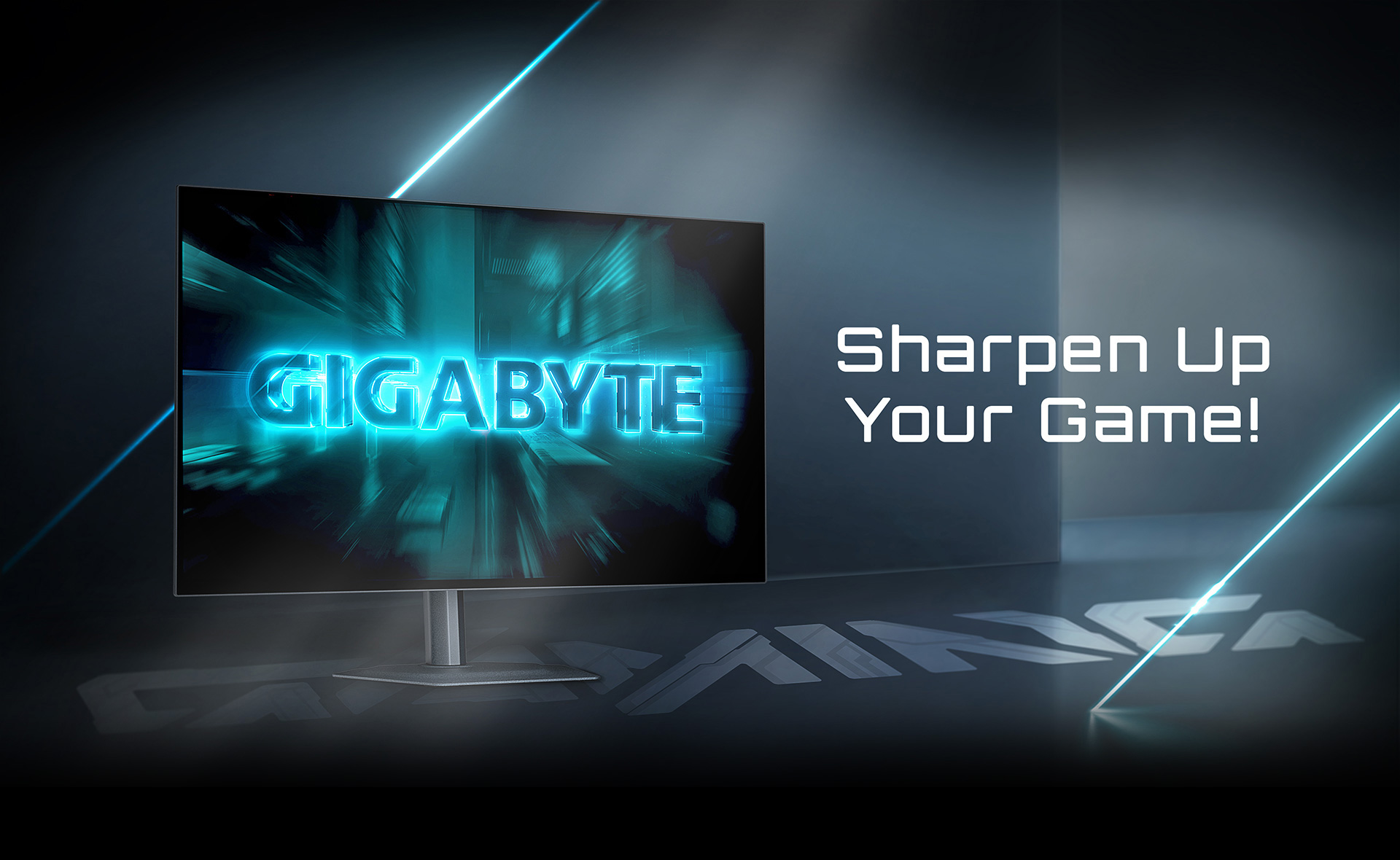
For the first time, Intel’s Razor Lake platform has a dedicated display partner: Tianma. The collaboration introduces a 2.8K in-cell touch panel designed specifically for the next-generation processor family, with an engineering twist that could redefine power efficiency in thin-and-light devices.
The new display doesn’t just deliver sharp visuals—it operates at a nominal 30Hz idle rate when the system is under light load or in standby. This isn’t about cutting corners; it’s a calculated tradeoff to reduce power draw without noticeable impact on daily workflows, where most content consumption happens below full brightness and refresh rates.
Why this matters for small businesses
The partnership is notable because Razor Lake is targeting mid-range laptops and 2-in-1 devices expected later this year. For small businesses investing in mobile workstations, the display’s low-power idle mode could translate to longer battery life during meetings or remote tasks—without the need for manual adjustments.
Engineering tradeoffs
- Refresh rate flexibility: The panel maintains 120Hz for demanding workloads (gaming, video editing) but scales down automatically when system load drops below a threshold. This avoids the always-on power drain seen in some high-refresh displays.
- In-cell integration: The touch layer is embedded directly into the LCD, reducing bezel size and improving screen-to-body ratio—critical for compact business devices where screen real estate matters.
The 30Hz idle mode isn’t about visual quality; it’s a power-saving mechanism. Tests show that even at this reduced rate, text remains crisp and video playback is smooth, as human perception of flicker is minimal below 45Hz. The engineering challenge was ensuring the panel’s timing controller could transition seamlessly without artifacts.
What’s next for Razor Lake
This isn’t the first time Intel has partnered with display vendors for efficiency gains, but it’s the first publicly confirmed in-cell touch solution for Razor Lake. While Tianma is known for its consumer-focused panels, the technical specifications suggest this iteration is optimized for business use—durability ratings, anti-glare coatings, and color accuracy that meet corporate standards.
Look for more details on power consumption benchmarks in Q4, when the first Razor Lake-based devices are expected to launch. Pricing will depend on the OEM, but the display itself is positioned as a cost-effective alternative to higher-refresh panels without sacrificing productivity.