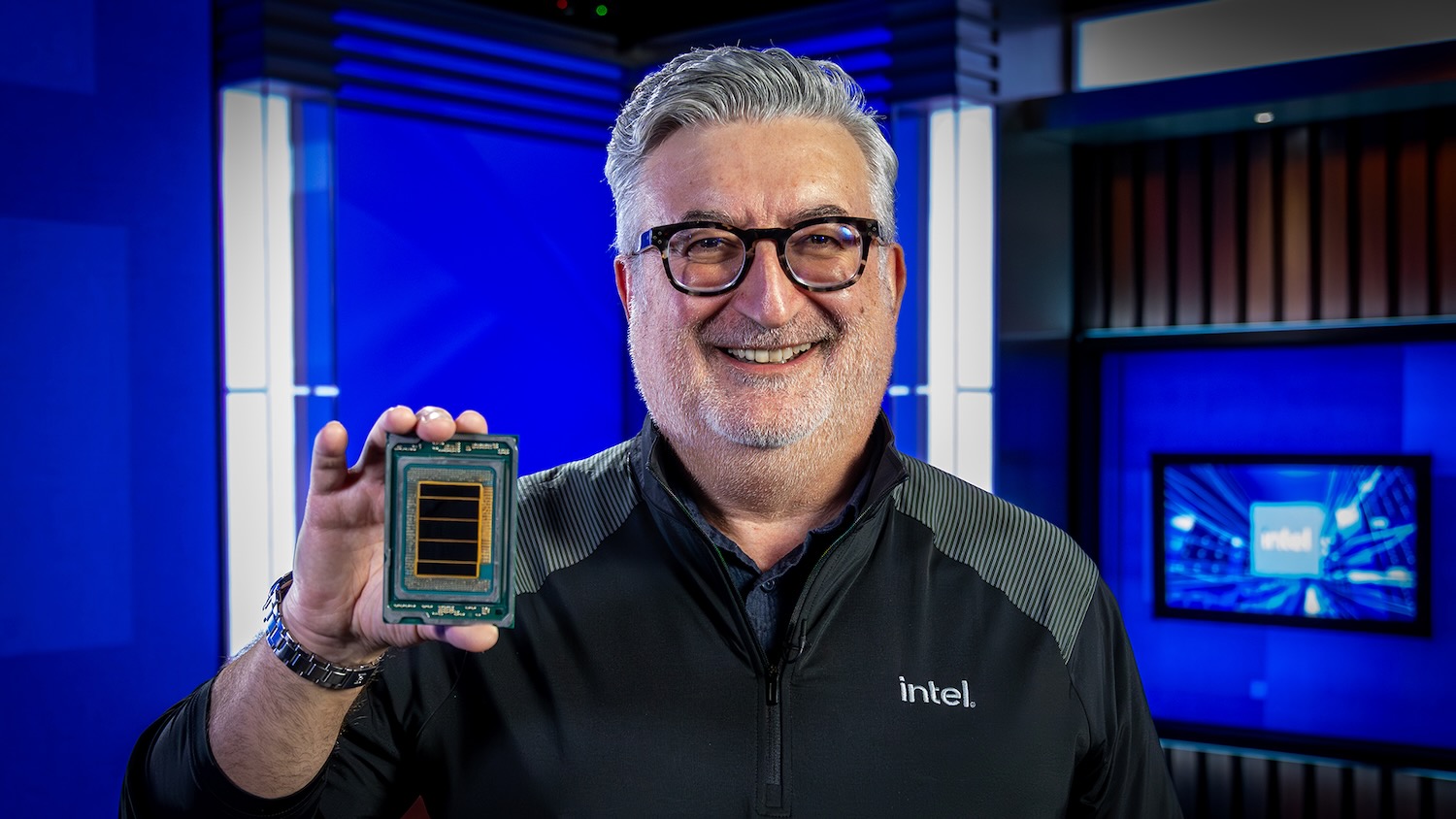
Intel is doubling down on its graphics ambitions with the recruitment of Eric Demers, a seasoned GPU architect who has spent nearly two decades shaping some of the industry’s most influential architectures.
Demers, who previously led Qualcomm’s Adreno GPU development and held senior roles at AMD, will join Intel next week. His move signals a strategic shift for the chipmaker, which has long sought to strengthen its position in AI and data center graphics—a sector where it has lagged behind rivals like NVIDIA.
While Intel’s consumer-focused Xe3 architecture has already drawn attention, Demers is expected to focus on next-generation GPU IPs such as Crescent Island and Jaguar Shores. These products represent Intel’s latest push into high-performance computing, including AI acceleration, where past efforts like Ponte Vecchio faced significant challenges.
Demers’ arrival comes at a critical juncture for Intel. The company has struggled to gain traction in the data center market, with projects like Gaudi failing to meet revenue expectations. However, his deep experience in GPU design—spanning roles from architecture manager at AMD to senior vice president of engineering at Qualcomm—positions him as a key figure in Intel’s efforts to redefine its graphics roadmap.
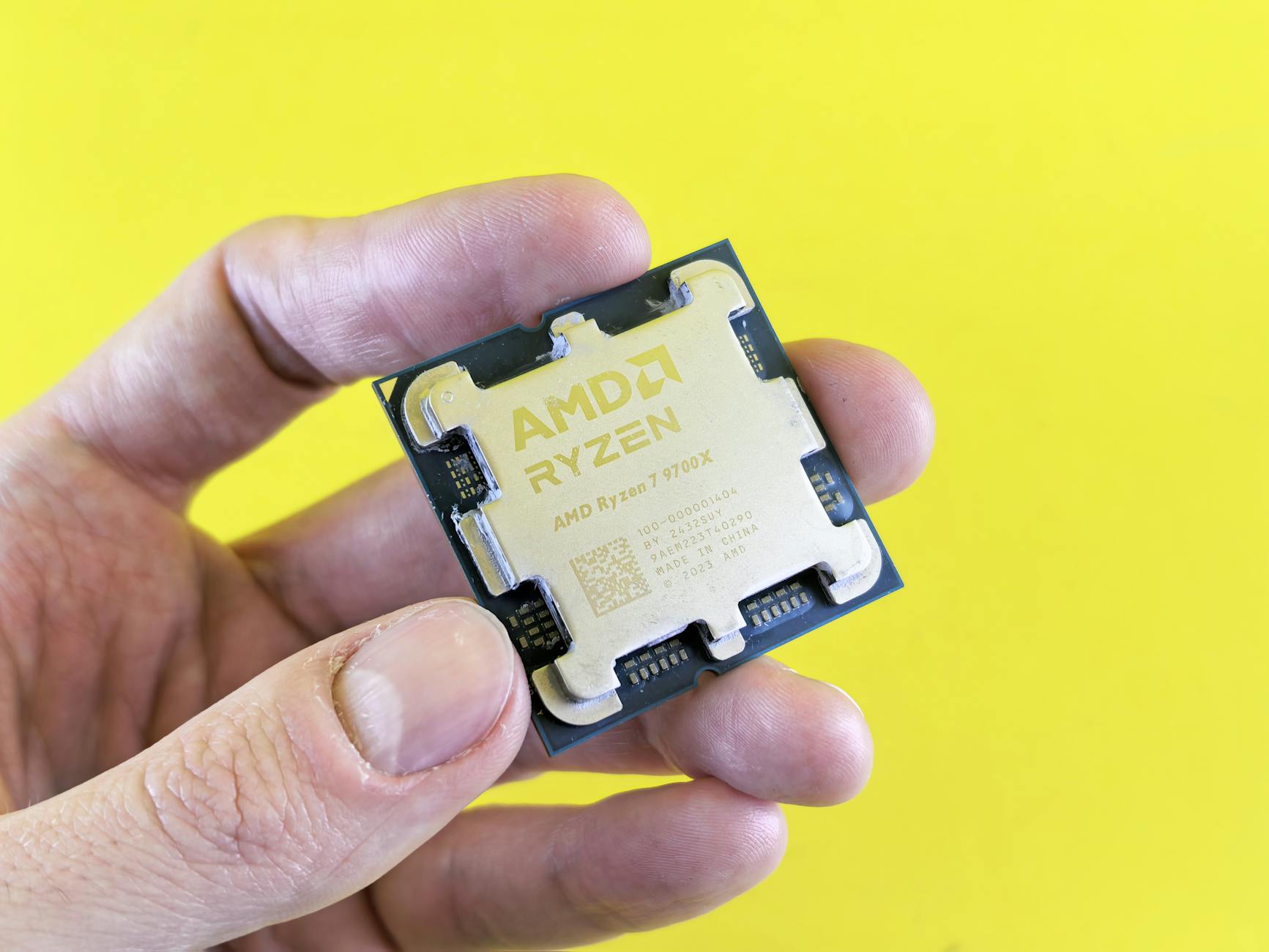
- Processor: Ryzen 9 9950X3D2 (16C/32T, 4.7 GHz base, 5.8 GHz boost)
- Alternative Models: Ryzen 9 9950X3D (16C/32T), Ryzen 9800X3D
- Price: Starting at $500 for select configurations
The inclusion of the Ryzen 9 9950X3D2 in Intel’s lineup underscores the company’s focus on high-end performance, particularly in multi-core workloads. While its 192 MB of L3 cache provides a significant advantage in gaming and productivity tasks, real-world tradeoffs include power consumption and thermal management—factors that will be critical as Intel competes with AMD in both consumer and data center segments.
Demers’ transition to Intel follows months of discussions with CEO Lip-Bu Tan, who has publicly emphasized the company’s commitment to innovation. Whether this translates into tangible progress for Intel’s GPU division remains an open question, but his arrival suggests a renewed sense of urgency in addressing long-standing challenges in yield and packaging.
Availability and pricing for Intel’s upcoming GPU products have not yet been confirmed, but industry analysts expect significant advancements in efficiency and performance compared to previous generations. The stakes are high: success could redefine Intel’s role in the AI and data center landscape, while failure risks further eroding its market share.